Insights
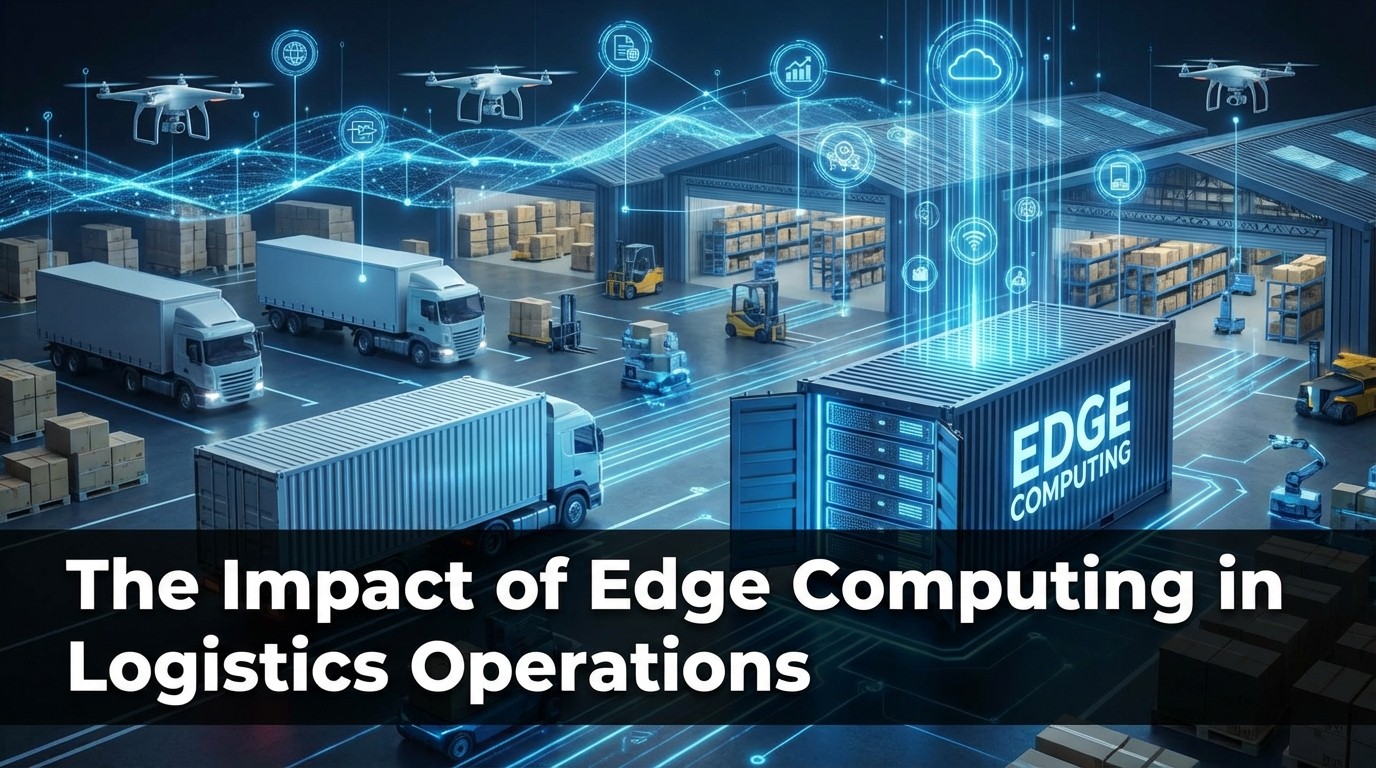
The Impact of Edge Computing in Logistics Operations
Introduction
As logistics operations become increasingly digitized, the volume and velocity of data generated at the operational edge continue to grow. Edge computing enables data processing closer to where it is generated, reducing latency and improving real-time decision-making. For logistics networks requiring rapid response and high reliability, edge computing represents a critical architectural evolution.
Limitations of Centralized Processing
Cloud-centric architectures can introduce:
Latency constraints in time-sensitive operations
Network dependency risks
Bandwidth limitations for high-frequency sensor data
Delays in real-time exception handling
These limitations constrain the scalability of real-time logistics applications.
Edge Computing Use Cases
Edge computing supports:
Real-time fleet and asset monitoring
Autonomous vehicle coordination
On-site analytics for warehouse automation
Predictive maintenance of logistics equipment
Resilient operations during connectivity disruptions
Strategic Implications
Organizations adopting edge computing can achieve:
Faster operational response times
Improved system resilience
Reduced network congestion
Enhanced support for autonomous logistics technologies
Greater flexibility in distributed operations
Conclusion
Edge computing strengthens the digital foundation of modern logistics operations by enabling low-latency, resilient, and scalable data processing at the operational edge. Organizations that integrate edge architectures into their digital strategy will be better positioned to support advanced automation and real-time operational intelligence.
#EdgeComputing #DigitalLogistics #SupplyChainTechnology #OperationalIntelligence #SmartLogistics #ConnectedOperations
More to Discover


Insights
The Impact of Edge Computing in Logistics Operations
Introduction
As logistics operations become increasingly digitized, the volume and velocity of data generated at the operational edge continue to grow. Edge computing enables data processing closer to where it is generated, reducing latency and improving real-time decision-making. For logistics networks requiring rapid response and high reliability, edge computing represents a critical architectural evolution.
Limitations of Centralized Processing
Cloud-centric architectures can introduce:
Latency constraints in time-sensitive operations
Network dependency risks
Bandwidth limitations for high-frequency sensor data
Delays in real-time exception handling
These limitations constrain the scalability of real-time logistics applications.
Edge Computing Use Cases
Edge computing supports:
Real-time fleet and asset monitoring
Autonomous vehicle coordination
On-site analytics for warehouse automation
Predictive maintenance of logistics equipment
Resilient operations during connectivity disruptions
Strategic Implications
Organizations adopting edge computing can achieve:
Faster operational response times
Improved system resilience
Reduced network congestion
Enhanced support for autonomous logistics technologies
Greater flexibility in distributed operations
Conclusion
Edge computing strengthens the digital foundation of modern logistics operations by enabling low-latency, resilient, and scalable data processing at the operational edge. Organizations that integrate edge architectures into their digital strategy will be better positioned to support advanced automation and real-time operational intelligence.
#EdgeComputing #DigitalLogistics #SupplyChainTechnology #OperationalIntelligence #SmartLogistics #ConnectedOperations
More to Discover
Insights
The Impact of Edge Computing in Logistics Operations
Introduction
As logistics operations become increasingly digitized, the volume and velocity of data generated at the operational edge continue to grow. Edge computing enables data processing closer to where it is generated, reducing latency and improving real-time decision-making. For logistics networks requiring rapid response and high reliability, edge computing represents a critical architectural evolution.
Limitations of Centralized Processing
Cloud-centric architectures can introduce:
Latency constraints in time-sensitive operations
Network dependency risks
Bandwidth limitations for high-frequency sensor data
Delays in real-time exception handling
These limitations constrain the scalability of real-time logistics applications.
Edge Computing Use Cases
Edge computing supports:
Real-time fleet and asset monitoring
Autonomous vehicle coordination
On-site analytics for warehouse automation
Predictive maintenance of logistics equipment
Resilient operations during connectivity disruptions
Strategic Implications
Organizations adopting edge computing can achieve:
Faster operational response times
Improved system resilience
Reduced network congestion
Enhanced support for autonomous logistics technologies
Greater flexibility in distributed operations
Conclusion
Edge computing strengthens the digital foundation of modern logistics operations by enabling low-latency, resilient, and scalable data processing at the operational edge. Organizations that integrate edge architectures into their digital strategy will be better positioned to support advanced automation and real-time operational intelligence.
#EdgeComputing #DigitalLogistics #SupplyChainTechnology #OperationalIntelligence #SmartLogistics #ConnectedOperations