Insights
Supply Chain Digital Twins: Simulating Tomorrow's Decisions Today
Executive Summary
Supply chain leaders are under constant pressure to make faster, smarter decisions in increasingly complex and unpredictable markets. Digital Twin technology is emerging as a powerful solution by creating virtual replicas of supply chain operations that allow organizations to test strategies, simulate disruptions, and evaluate business decisions before implementing them in the real world.
By combining live operational data with advanced analytics, Digital Twins help organizations improve planning accuracy, reduce operational risk, and build more resilient supply chains. As digital transformation accelerates, Digital Twins are becoming a strategic capability rather than simply another technology initiative.
Introduction
For decades, supply chain planning has relied on historical data, spreadsheets, and forecasting models. While these tools remain valuable, they often struggle to capture the complexity of today's interconnected global supply networks.
Modern supply chains involve multiple suppliers, manufacturing facilities, logistics providers, warehouses, and distribution channels. A disruption at any point can quickly affect operations across the entire network.
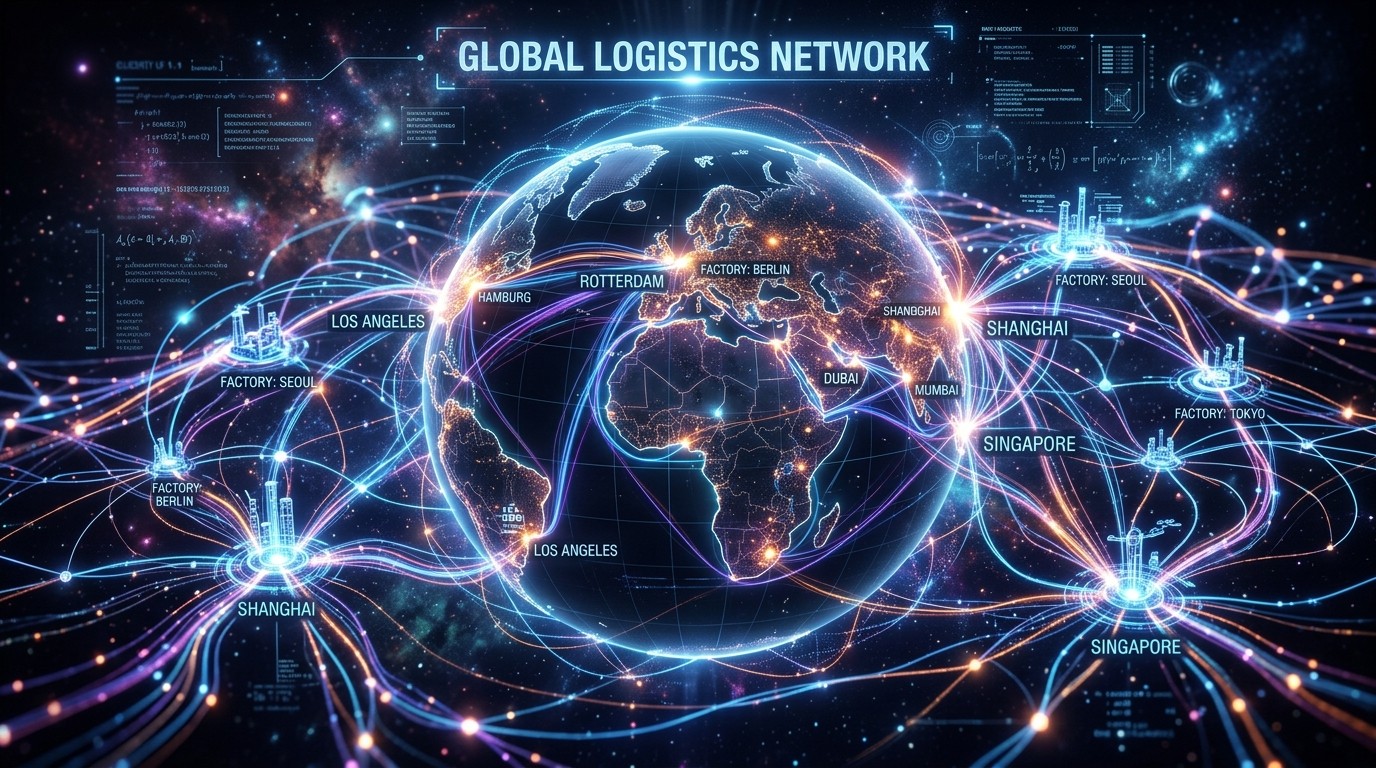
Digital Twin technology addresses this challenge by creating a virtual representation of the supply chain that continuously updates using real-time operational data. Instead of reacting to events after they occur, organizations can simulate future scenarios, evaluate alternatives, and make better-informed decisions before taking action.
What Is a Supply Chain Digital Twin?
A Supply Chain Digital Twin is a data-driven virtual model of an organization's physical supply network. It combines information from systems such as:
Enterprise Resource Planning (ERP)
Warehouse Management Systems (WMS)
Transportation Management Systems (TMS)
IoT devices
Demand planning platforms
Supplier and logistics data
This integrated model enables organizations to perform "what-if" analysis, evaluate potential risks, and understand how operational changes may affect the entire supply chain before implementing them.
Why Digital Twins Matter
Supply chain decisions often involve uncertainty.
Questions such as:
What happens if demand suddenly increases?
How will supplier delays affect production?
Which transportation route minimizes both cost and delivery time?
What is the impact of opening a new distribution center?
Traditionally, answering these questions involved assumptions and manual analysis.
Digital Twins allow organizations to test multiple scenarios in a virtual environment, helping leaders make decisions based on data rather than intuition.
Strategic Applications
Digital Twins support a wide range of operational and strategic decisions, including:
Network optimization
Inventory planning
Capacity management
Supplier risk assessment
Transportation optimization
Demand response planning
Sustainability analysis
By comparing different scenarios before implementation, organizations reduce uncertainty while improving planning accuracy.
Business Benefits
Organizations implementing Digital Twins commonly experience:
Better strategic decision-making
Faster response to operational disruptions
Improved forecast accuracy
Lower business risk
Shorter planning cycles
Enhanced collaboration between departments
Digital Twins also improve communication by providing visual, data-driven representations that help executives understand the operational impact of different decisions.
Implementation Considerations
A successful Digital Twin initiative requires more than advanced software.
Organizations should establish:
High-quality master data
Integrated enterprise systems
Reliable operational metrics
Strong data governance
Cross-functional collaboration
Continuous model validation
A Digital Twin should evolve alongside the physical supply chain to remain accurate and relevant.
Best Practices
Organizations beginning their Digital Twin journey should:
Start with a clearly defined business objective.
Focus initially on one high-impact operational process.
Validate simulations using historical operational data.
Incorporate real-time information wherever possible.
Continuously review simulation outcomes and refine models.
Expand capabilities gradually as organizational maturity increases.
Starting small allows organizations to demonstrate value before scaling across the broader supply chain.
Common Mistakes to Avoid
Several common pitfalls can reduce the effectiveness of Digital Twin initiatives.
These include:
Treating Digital Twins as visualization tools rather than decision-support systems.
Building overly complex models during the initial phase.
Ignoring data quality and governance.
Failing to involve business stakeholders throughout implementation.
Measuring technology adoption instead of operational improvements.
The greatest value comes from improving business decisions, not simply deploying new technology.
Future Outlook
Advances in Artificial Intelligence, IoT, cloud computing, and predictive analytics will make Digital Twins increasingly intelligent and autonomous.
Future Digital Twins will not only simulate operational scenarios but also recommend optimized responses, and, in certain situations, automatically initiate operational actions within predefined governance frameworks.
Organizations that invest in Digital Twin capabilities today will strengthen resilience, improve planning agility, and gain a significant competitive advantage as supply chains become increasingly data-driven.
Key Takeaways
Digital Twins create virtual representations of physical supply chains.
They enable organizations to simulate decisions before implementing them.
Better simulations lead to improved planning, lower risk, and greater operational resilience.
High-quality data, governance, and cross-functional collaboration are essential for success.
Digital Twins are becoming a core capability of future intelligent supply chains.
Frequently Asked Questions
What is a Supply Chain Digital Twin?
A Supply Chain Digital Twin is a virtual, data-driven model of a physical supply chain used to simulate scenarios, evaluate risks, and improve operational decision-making.
Which organizations benefit most from Digital Twins?
Manufacturers, retailers, logistics providers, healthcare organizations, and businesses managing complex global supply networks gain the greatest value from Digital Twin technology.
Can Digital Twins replace traditional planning?
No. They enhance traditional planning by providing simulation capabilities that improve decision quality before operational changes are implemented.
Conclusion
Digital Twin technology is transforming how organizations plan, analyze, and optimize supply chain operations. By allowing leaders to simulate tomorrow's decisions before making them, Digital Twins reduce uncertainty, improve resilience, and support more confident strategic decision-making.
As supply chains continue to become more complex and interconnected, organizations that adopt Digital Twins will be better equipped to respond to disruptions, optimize performance, and build agile, future-ready operations.
Hashtags
#DigitalTwin #SupplyChainInnovation #ScenarioPlanning #SupplyChainStrategy #DigitalTransformation #OperationalExcellence #ArtificialIntelligence #LogisticsTechnology #FutureOfOperations #SmartSupplyChain
More to Discover


Insights
Supply Chain Digital Twins: Simulating Tomorrow's Decisions Today
Executive Summary
Supply chain leaders are under constant pressure to make faster, smarter decisions in increasingly complex and unpredictable markets. Digital Twin technology is emerging as a powerful solution by creating virtual replicas of supply chain operations that allow organizations to test strategies, simulate disruptions, and evaluate business decisions before implementing them in the real world.
By combining live operational data with advanced analytics, Digital Twins help organizations improve planning accuracy, reduce operational risk, and build more resilient supply chains. As digital transformation accelerates, Digital Twins are becoming a strategic capability rather than simply another technology initiative.
Introduction
For decades, supply chain planning has relied on historical data, spreadsheets, and forecasting models. While these tools remain valuable, they often struggle to capture the complexity of today's interconnected global supply networks.
Modern supply chains involve multiple suppliers, manufacturing facilities, logistics providers, warehouses, and distribution channels. A disruption at any point can quickly affect operations across the entire network.
Digital Twin technology addresses this challenge by creating a virtual representation of the supply chain that continuously updates using real-time operational data. Instead of reacting to events after they occur, organizations can simulate future scenarios, evaluate alternatives, and make better-informed decisions before taking action.
What Is a Supply Chain Digital Twin?
A Supply Chain Digital Twin is a data-driven virtual model of an organization's physical supply network. It combines information from systems such as:
Enterprise Resource Planning (ERP)
Warehouse Management Systems (WMS)
Transportation Management Systems (TMS)
IoT devices
Demand planning platforms
Supplier and logistics data
This integrated model enables organizations to perform "what-if" analysis, evaluate potential risks, and understand how operational changes may affect the entire supply chain before implementing them.
Why Digital Twins Matter
Supply chain decisions often involve uncertainty.
Questions such as:
What happens if demand suddenly increases?
How will supplier delays affect production?
Which transportation route minimizes both cost and delivery time?
What is the impact of opening a new distribution center?
Traditionally, answering these questions involved assumptions and manual analysis.
Digital Twins allow organizations to test multiple scenarios in a virtual environment, helping leaders make decisions based on data rather than intuition.
Strategic Applications
Digital Twins support a wide range of operational and strategic decisions, including:
Network optimization
Inventory planning
Capacity management
Supplier risk assessment
Transportation optimization
Demand response planning
Sustainability analysis
By comparing different scenarios before implementation, organizations reduce uncertainty while improving planning accuracy.
Business Benefits
Organizations implementing Digital Twins commonly experience:
Better strategic decision-making
Faster response to operational disruptions
Improved forecast accuracy
Lower business risk
Shorter planning cycles
Enhanced collaboration between departments
Digital Twins also improve communication by providing visual, data-driven representations that help executives understand the operational impact of different decisions.
Implementation Considerations
A successful Digital Twin initiative requires more than advanced software.
Organizations should establish:
High-quality master data
Integrated enterprise systems
Reliable operational metrics
Strong data governance
Cross-functional collaboration
Continuous model validation
A Digital Twin should evolve alongside the physical supply chain to remain accurate and relevant.
Best Practices
Organizations beginning their Digital Twin journey should:
Start with a clearly defined business objective.
Focus initially on one high-impact operational process.
Validate simulations using historical operational data.
Incorporate real-time information wherever possible.
Continuously review simulation outcomes and refine models.
Expand capabilities gradually as organizational maturity increases.
Starting small allows organizations to demonstrate value before scaling across the broader supply chain.
Common Mistakes to Avoid
Several common pitfalls can reduce the effectiveness of Digital Twin initiatives.
These include:
Treating Digital Twins as visualization tools rather than decision-support systems.
Building overly complex models during the initial phase.
Ignoring data quality and governance.
Failing to involve business stakeholders throughout implementation.
Measuring technology adoption instead of operational improvements.
The greatest value comes from improving business decisions, not simply deploying new technology.
Future Outlook
Advances in Artificial Intelligence, IoT, cloud computing, and predictive analytics will make Digital Twins increasingly intelligent and autonomous.
Future Digital Twins will not only simulate operational scenarios but also recommend optimized responses, and, in certain situations, automatically initiate operational actions within predefined governance frameworks.
Organizations that invest in Digital Twin capabilities today will strengthen resilience, improve planning agility, and gain a significant competitive advantage as supply chains become increasingly data-driven.
Key Takeaways
Digital Twins create virtual representations of physical supply chains.
They enable organizations to simulate decisions before implementing them.
Better simulations lead to improved planning, lower risk, and greater operational resilience.
High-quality data, governance, and cross-functional collaboration are essential for success.
Digital Twins are becoming a core capability of future intelligent supply chains.
Frequently Asked Questions
What is a Supply Chain Digital Twin?
A Supply Chain Digital Twin is a virtual, data-driven model of a physical supply chain used to simulate scenarios, evaluate risks, and improve operational decision-making.
Which organizations benefit most from Digital Twins?
Manufacturers, retailers, logistics providers, healthcare organizations, and businesses managing complex global supply networks gain the greatest value from Digital Twin technology.
Can Digital Twins replace traditional planning?
No. They enhance traditional planning by providing simulation capabilities that improve decision quality before operational changes are implemented.
Conclusion
Digital Twin technology is transforming how organizations plan, analyze, and optimize supply chain operations. By allowing leaders to simulate tomorrow's decisions before making them, Digital Twins reduce uncertainty, improve resilience, and support more confident strategic decision-making.
As supply chains continue to become more complex and interconnected, organizations that adopt Digital Twins will be better equipped to respond to disruptions, optimize performance, and build agile, future-ready operations.
Hashtags
#DigitalTwin #SupplyChainInnovation #ScenarioPlanning #SupplyChainStrategy #DigitalTransformation #OperationalExcellence #ArtificialIntelligence #LogisticsTechnology #FutureOfOperations #SmartSupplyChain
More to Discover
Insights
Supply Chain Digital Twins: Simulating Tomorrow's Decisions Today
Executive Summary
Supply chain leaders are under constant pressure to make faster, smarter decisions in increasingly complex and unpredictable markets. Digital Twin technology is emerging as a powerful solution by creating virtual replicas of supply chain operations that allow organizations to test strategies, simulate disruptions, and evaluate business decisions before implementing them in the real world.
By combining live operational data with advanced analytics, Digital Twins help organizations improve planning accuracy, reduce operational risk, and build more resilient supply chains. As digital transformation accelerates, Digital Twins are becoming a strategic capability rather than simply another technology initiative.
Introduction
For decades, supply chain planning has relied on historical data, spreadsheets, and forecasting models. While these tools remain valuable, they often struggle to capture the complexity of today's interconnected global supply networks.
Modern supply chains involve multiple suppliers, manufacturing facilities, logistics providers, warehouses, and distribution channels. A disruption at any point can quickly affect operations across the entire network.
Digital Twin technology addresses this challenge by creating a virtual representation of the supply chain that continuously updates using real-time operational data. Instead of reacting to events after they occur, organizations can simulate future scenarios, evaluate alternatives, and make better-informed decisions before taking action.
What Is a Supply Chain Digital Twin?
A Supply Chain Digital Twin is a data-driven virtual model of an organization's physical supply network. It combines information from systems such as:
Enterprise Resource Planning (ERP)
Warehouse Management Systems (WMS)
Transportation Management Systems (TMS)
IoT devices
Demand planning platforms
Supplier and logistics data
This integrated model enables organizations to perform "what-if" analysis, evaluate potential risks, and understand how operational changes may affect the entire supply chain before implementing them.
Why Digital Twins Matter
Supply chain decisions often involve uncertainty.
Questions such as:
What happens if demand suddenly increases?
How will supplier delays affect production?
Which transportation route minimizes both cost and delivery time?
What is the impact of opening a new distribution center?
Traditionally, answering these questions involved assumptions and manual analysis.
Digital Twins allow organizations to test multiple scenarios in a virtual environment, helping leaders make decisions based on data rather than intuition.
Strategic Applications
Digital Twins support a wide range of operational and strategic decisions, including:
Network optimization
Inventory planning
Capacity management
Supplier risk assessment
Transportation optimization
Demand response planning
Sustainability analysis
By comparing different scenarios before implementation, organizations reduce uncertainty while improving planning accuracy.
Business Benefits
Organizations implementing Digital Twins commonly experience:
Better strategic decision-making
Faster response to operational disruptions
Improved forecast accuracy
Lower business risk
Shorter planning cycles
Enhanced collaboration between departments
Digital Twins also improve communication by providing visual, data-driven representations that help executives understand the operational impact of different decisions.
Implementation Considerations
A successful Digital Twin initiative requires more than advanced software.
Organizations should establish:
High-quality master data
Integrated enterprise systems
Reliable operational metrics
Strong data governance
Cross-functional collaboration
Continuous model validation
A Digital Twin should evolve alongside the physical supply chain to remain accurate and relevant.
Best Practices
Organizations beginning their Digital Twin journey should:
Start with a clearly defined business objective.
Focus initially on one high-impact operational process.
Validate simulations using historical operational data.
Incorporate real-time information wherever possible.
Continuously review simulation outcomes and refine models.
Expand capabilities gradually as organizational maturity increases.
Starting small allows organizations to demonstrate value before scaling across the broader supply chain.
Common Mistakes to Avoid
Several common pitfalls can reduce the effectiveness of Digital Twin initiatives.
These include:
Treating Digital Twins as visualization tools rather than decision-support systems.
Building overly complex models during the initial phase.
Ignoring data quality and governance.
Failing to involve business stakeholders throughout implementation.
Measuring technology adoption instead of operational improvements.
The greatest value comes from improving business decisions, not simply deploying new technology.
Future Outlook
Advances in Artificial Intelligence, IoT, cloud computing, and predictive analytics will make Digital Twins increasingly intelligent and autonomous.
Future Digital Twins will not only simulate operational scenarios but also recommend optimized responses, and, in certain situations, automatically initiate operational actions within predefined governance frameworks.
Organizations that invest in Digital Twin capabilities today will strengthen resilience, improve planning agility, and gain a significant competitive advantage as supply chains become increasingly data-driven.
Key Takeaways
Digital Twins create virtual representations of physical supply chains.
They enable organizations to simulate decisions before implementing them.
Better simulations lead to improved planning, lower risk, and greater operational resilience.
High-quality data, governance, and cross-functional collaboration are essential for success.
Digital Twins are becoming a core capability of future intelligent supply chains.
Frequently Asked Questions
What is a Supply Chain Digital Twin?
A Supply Chain Digital Twin is a virtual, data-driven model of a physical supply chain used to simulate scenarios, evaluate risks, and improve operational decision-making.
Which organizations benefit most from Digital Twins?
Manufacturers, retailers, logistics providers, healthcare organizations, and businesses managing complex global supply networks gain the greatest value from Digital Twin technology.
Can Digital Twins replace traditional planning?
No. They enhance traditional planning by providing simulation capabilities that improve decision quality before operational changes are implemented.
Conclusion
Digital Twin technology is transforming how organizations plan, analyze, and optimize supply chain operations. By allowing leaders to simulate tomorrow's decisions before making them, Digital Twins reduce uncertainty, improve resilience, and support more confident strategic decision-making.
As supply chains continue to become more complex and interconnected, organizations that adopt Digital Twins will be better equipped to respond to disruptions, optimize performance, and build agile, future-ready operations.
Hashtags
#DigitalTwin #SupplyChainInnovation #ScenarioPlanning #SupplyChainStrategy #DigitalTransformation #OperationalExcellence #ArtificialIntelligence #LogisticsTechnology #FutureOfOperations #SmartSupplyChain