Insights
How Predictive Maintenance is Redefining Warehouse Reliability
Executive Summary
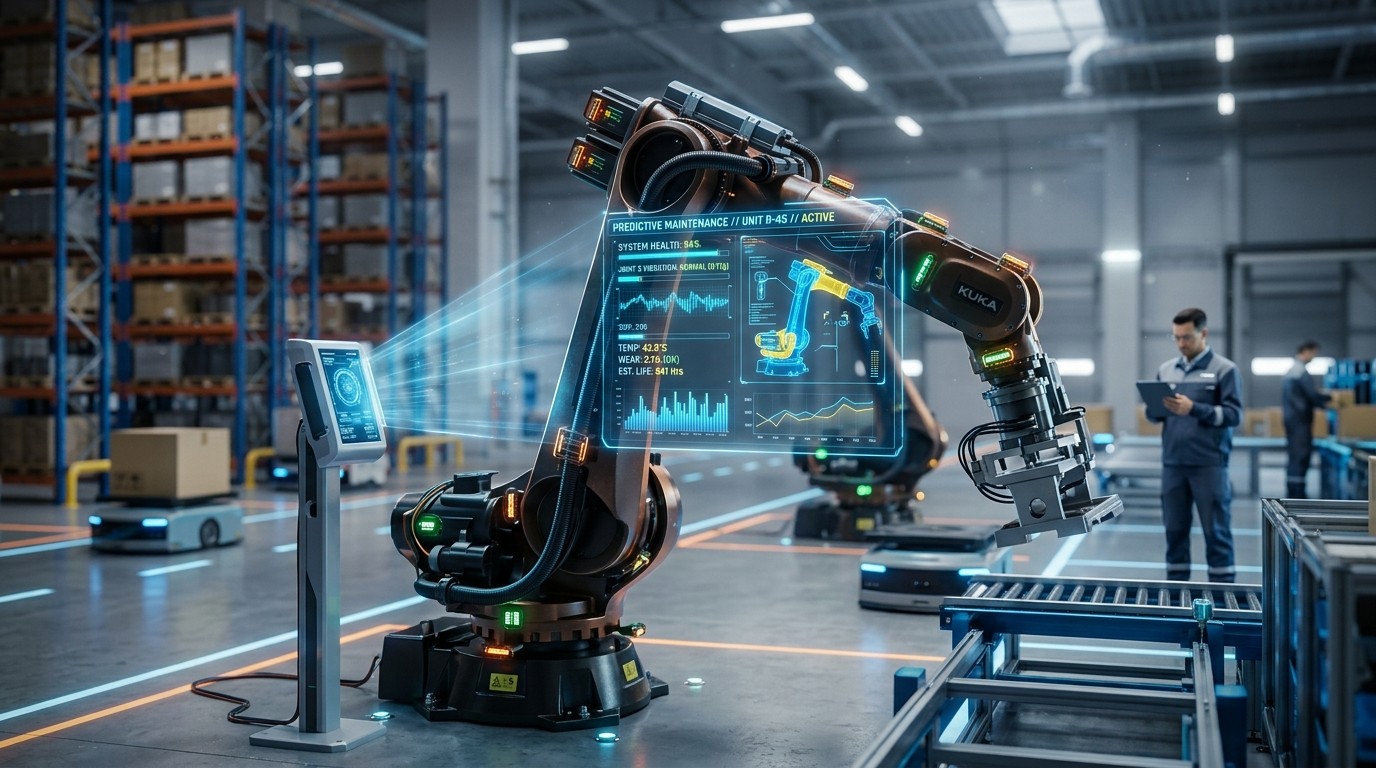
Warehouse reliability plays a critical role in customer satisfaction, operational efficiency, and supply chain performance. As warehouses become increasingly automated, equipment failures can disrupt entire fulfillment operations. Predictive maintenance is changing this landscape by combining IoT sensors, machine learning, and real-time monitoring to identify potential failures before they occur.
Unlike traditional maintenance strategies, predictive maintenance enables organizations to reduce downtime, extend equipment life, lower maintenance costs, and improve overall warehouse productivity. It has become an essential capability for businesses seeking greater operational resilience in today's fast-paced supply chain environment.
Introduction
Modern warehouses rely on sophisticated technologies, including automated storage systems, conveyors, robotic picking equipment, forklifts, and warehouse management systems. These assets are the backbone of efficient fulfillment operations, making equipment reliability more important than ever.
Traditional maintenance methods often fall into two categories: reactive maintenance, where repairs occur only after a failure, and preventive maintenance, where servicing follows fixed schedules regardless of equipment condition. While preventive maintenance is an improvement over reactive repairs, it can still result in unnecessary servicing or unexpected breakdowns.
Predictive maintenance offers a smarter approach by using real-time equipment data to determine exactly when maintenance is required.
Why Warehouse Reliability Matters
Unexpected equipment failures can create ripple effects throughout the supply chain, including:
Delayed customer deliveries
Reduced warehouse throughput
Increased labor and repair costs
Inventory inaccuracies
Lower customer satisfaction
Lost revenue opportunities
Reliable warehouse operations are not simply about keeping equipment running, they are essential for maintaining consistent service levels and supporting business growth.
From Preventive to Predictive Maintenance
The key difference between preventive and predictive maintenance lies in how maintenance decisions are made.
Preventive maintenance follows predetermined schedules based on time or usage, regardless of the equipment's actual condition.
Predictive maintenance continuously analyzes equipment health using technologies such as:
IoT sensors
Vibration analysis
Temperature monitoring
Energy consumption tracking
Machine learning algorithms
By identifying early warning signs, maintenance teams can intervene before failures occur, minimizing costly disruptions.
Where Predictive Maintenance Creates Value
Predictive maintenance is particularly effective for critical warehouse assets, including:
Conveyor systems
Automated Storage and Retrieval Systems (AS/RS)
Robotic picking equipment
Automated Guided Vehicles (AGVs)
Forklifts and material handling equipment
HVAC systems supporting temperature-sensitive inventory
Monitoring these assets in real time improves operational continuity while reducing unexpected downtime.
Business Benefits
Organizations adopting predictive maintenance commonly achieve:
Reduced unplanned equipment failures
Lower maintenance and repair costs
Longer equipment lifespan
Improved employee safety
Higher warehouse productivity
Better customer service through more reliable fulfillment
Maintenance teams also become more efficient by prioritizing repairs based on actual equipment condition rather than fixed maintenance schedules.
Implementation Challenges
Successful predictive maintenance requires more than installing sensors.
Organizations should focus on:
Reliable and accurate equipment data
Integration with warehouse management systems
Skilled maintenance personnel
Clear maintenance processes
Executive commitment to digital transformation
Technology delivers results only when supported by disciplined operational practices.
Best Practices
Organizations beginning their predictive maintenance journey should:
Start with the most critical equipment.
Continuously monitor equipment health.
Standardize maintenance reporting and KPIs.
Train maintenance teams to interpret data effectively.
Review performance regularly and refine maintenance strategies.
A phased implementation approach helps organizations demonstrate value while minimizing operational risk.
Common Mistakes to Avoid
Common implementation challenges include:
Installing monitoring technology without defined objectives
Ignoring data quality issues
Underestimating employee training requirements
Treating predictive maintenance solely as an IT initiative rather than an operational improvement program
Success depends on combining technology with people, processes, and continuous improvement.
Future Outlook
Advances in Artificial Intelligence, IoT, and predictive analytics will make warehouse maintenance increasingly autonomous. Future systems will continuously assess equipment health, recommend maintenance actions, and automatically schedule service activities based on operational priorities.
These capabilities will further improve warehouse efficiency while reducing operating costs and unplanned downtime.
Key Takeaways
Warehouse reliability directly impacts supply chain performance.
Predictive maintenance enables proactive rather than reactive equipment management.
IoT, machine learning, and real-time monitoring improve maintenance accuracy.
Reliable data and well-defined maintenance processes are essential for success.
AI-driven maintenance will become a standard capability in future smart warehouses.
Frequently Asked Questions
How does predictive maintenance differ from preventive maintenance?
Preventive maintenance follows fixed schedules, while predictive maintenance uses real-time equipment data to determine when maintenance is actually required.
Which warehouse assets benefit most from predictive maintenance?
Critical equipment such as conveyors, AS/RS systems, robotics, forklifts, AGVs, and HVAC systems typically provide the highest return on investment.
Is predictive maintenance suitable for medium-sized warehouses?
Yes. Cloud-based monitoring platforms and IoT technologies have made predictive maintenance increasingly accessible for organizations of all sizes.
Conclusion
Predictive maintenance is transforming warehouse operations by replacing scheduled or reactive repairs with intelligent, condition-based maintenance strategies. By identifying potential failures before they occur, organizations can improve operational reliability, reduce maintenance costs, extend equipment life, and strengthen customer service.
As warehouses become more automated and data-driven, predictive maintenance will play an increasingly important role in building resilient, efficient, and future-ready supply chain operations.
Hashtags
#PredictiveMaintenance #WarehouseManagement #Industry40 #SmartWarehousing #IoT #MachineLearning #SupplyChainTechnology #OperationalReliability #WarehouseAutomation #MaintenanceStrategy
More to Discover


Insights
How Predictive Maintenance is Redefining Warehouse Reliability
Executive Summary
Warehouse reliability plays a critical role in customer satisfaction, operational efficiency, and supply chain performance. As warehouses become increasingly automated, equipment failures can disrupt entire fulfillment operations. Predictive maintenance is changing this landscape by combining IoT sensors, machine learning, and real-time monitoring to identify potential failures before they occur.
Unlike traditional maintenance strategies, predictive maintenance enables organizations to reduce downtime, extend equipment life, lower maintenance costs, and improve overall warehouse productivity. It has become an essential capability for businesses seeking greater operational resilience in today's fast-paced supply chain environment.
Introduction
Modern warehouses rely on sophisticated technologies, including automated storage systems, conveyors, robotic picking equipment, forklifts, and warehouse management systems. These assets are the backbone of efficient fulfillment operations, making equipment reliability more important than ever.
Traditional maintenance methods often fall into two categories: reactive maintenance, where repairs occur only after a failure, and preventive maintenance, where servicing follows fixed schedules regardless of equipment condition. While preventive maintenance is an improvement over reactive repairs, it can still result in unnecessary servicing or unexpected breakdowns.
Predictive maintenance offers a smarter approach by using real-time equipment data to determine exactly when maintenance is required.
Why Warehouse Reliability Matters
Unexpected equipment failures can create ripple effects throughout the supply chain, including:
Delayed customer deliveries
Reduced warehouse throughput
Increased labor and repair costs
Inventory inaccuracies
Lower customer satisfaction
Lost revenue opportunities
Reliable warehouse operations are not simply about keeping equipment running, they are essential for maintaining consistent service levels and supporting business growth.
From Preventive to Predictive Maintenance
The key difference between preventive and predictive maintenance lies in how maintenance decisions are made.
Preventive maintenance follows predetermined schedules based on time or usage, regardless of the equipment's actual condition.
Predictive maintenance continuously analyzes equipment health using technologies such as:
IoT sensors
Vibration analysis
Temperature monitoring
Energy consumption tracking
Machine learning algorithms
By identifying early warning signs, maintenance teams can intervene before failures occur, minimizing costly disruptions.
Where Predictive Maintenance Creates Value
Predictive maintenance is particularly effective for critical warehouse assets, including:
Conveyor systems
Automated Storage and Retrieval Systems (AS/RS)
Robotic picking equipment
Automated Guided Vehicles (AGVs)
Forklifts and material handling equipment
HVAC systems supporting temperature-sensitive inventory
Monitoring these assets in real time improves operational continuity while reducing unexpected downtime.
Business Benefits
Organizations adopting predictive maintenance commonly achieve:
Reduced unplanned equipment failures
Lower maintenance and repair costs
Longer equipment lifespan
Improved employee safety
Higher warehouse productivity
Better customer service through more reliable fulfillment
Maintenance teams also become more efficient by prioritizing repairs based on actual equipment condition rather than fixed maintenance schedules.
Implementation Challenges
Successful predictive maintenance requires more than installing sensors.
Organizations should focus on:
Reliable and accurate equipment data
Integration with warehouse management systems
Skilled maintenance personnel
Clear maintenance processes
Executive commitment to digital transformation
Technology delivers results only when supported by disciplined operational practices.
Best Practices
Organizations beginning their predictive maintenance journey should:
Start with the most critical equipment.
Continuously monitor equipment health.
Standardize maintenance reporting and KPIs.
Train maintenance teams to interpret data effectively.
Review performance regularly and refine maintenance strategies.
A phased implementation approach helps organizations demonstrate value while minimizing operational risk.
Common Mistakes to Avoid
Common implementation challenges include:
Installing monitoring technology without defined objectives
Ignoring data quality issues
Underestimating employee training requirements
Treating predictive maintenance solely as an IT initiative rather than an operational improvement program
Success depends on combining technology with people, processes, and continuous improvement.
Future Outlook
Advances in Artificial Intelligence, IoT, and predictive analytics will make warehouse maintenance increasingly autonomous. Future systems will continuously assess equipment health, recommend maintenance actions, and automatically schedule service activities based on operational priorities.
These capabilities will further improve warehouse efficiency while reducing operating costs and unplanned downtime.
Key Takeaways
Warehouse reliability directly impacts supply chain performance.
Predictive maintenance enables proactive rather than reactive equipment management.
IoT, machine learning, and real-time monitoring improve maintenance accuracy.
Reliable data and well-defined maintenance processes are essential for success.
AI-driven maintenance will become a standard capability in future smart warehouses.
Frequently Asked Questions
How does predictive maintenance differ from preventive maintenance?
Preventive maintenance follows fixed schedules, while predictive maintenance uses real-time equipment data to determine when maintenance is actually required.
Which warehouse assets benefit most from predictive maintenance?
Critical equipment such as conveyors, AS/RS systems, robotics, forklifts, AGVs, and HVAC systems typically provide the highest return on investment.
Is predictive maintenance suitable for medium-sized warehouses?
Yes. Cloud-based monitoring platforms and IoT technologies have made predictive maintenance increasingly accessible for organizations of all sizes.
Conclusion
Predictive maintenance is transforming warehouse operations by replacing scheduled or reactive repairs with intelligent, condition-based maintenance strategies. By identifying potential failures before they occur, organizations can improve operational reliability, reduce maintenance costs, extend equipment life, and strengthen customer service.
As warehouses become more automated and data-driven, predictive maintenance will play an increasingly important role in building resilient, efficient, and future-ready supply chain operations.
Hashtags
#PredictiveMaintenance #WarehouseManagement #Industry40 #SmartWarehousing #IoT #MachineLearning #SupplyChainTechnology #OperationalReliability #WarehouseAutomation #MaintenanceStrategy
More to Discover
Insights
How Predictive Maintenance is Redefining Warehouse Reliability
Executive Summary
Warehouse reliability plays a critical role in customer satisfaction, operational efficiency, and supply chain performance. As warehouses become increasingly automated, equipment failures can disrupt entire fulfillment operations. Predictive maintenance is changing this landscape by combining IoT sensors, machine learning, and real-time monitoring to identify potential failures before they occur.
Unlike traditional maintenance strategies, predictive maintenance enables organizations to reduce downtime, extend equipment life, lower maintenance costs, and improve overall warehouse productivity. It has become an essential capability for businesses seeking greater operational resilience in today's fast-paced supply chain environment.
Introduction
Modern warehouses rely on sophisticated technologies, including automated storage systems, conveyors, robotic picking equipment, forklifts, and warehouse management systems. These assets are the backbone of efficient fulfillment operations, making equipment reliability more important than ever.
Traditional maintenance methods often fall into two categories: reactive maintenance, where repairs occur only after a failure, and preventive maintenance, where servicing follows fixed schedules regardless of equipment condition. While preventive maintenance is an improvement over reactive repairs, it can still result in unnecessary servicing or unexpected breakdowns.
Predictive maintenance offers a smarter approach by using real-time equipment data to determine exactly when maintenance is required.
Why Warehouse Reliability Matters
Unexpected equipment failures can create ripple effects throughout the supply chain, including:
Delayed customer deliveries
Reduced warehouse throughput
Increased labor and repair costs
Inventory inaccuracies
Lower customer satisfaction
Lost revenue opportunities
Reliable warehouse operations are not simply about keeping equipment running, they are essential for maintaining consistent service levels and supporting business growth.
From Preventive to Predictive Maintenance
The key difference between preventive and predictive maintenance lies in how maintenance decisions are made.
Preventive maintenance follows predetermined schedules based on time or usage, regardless of the equipment's actual condition.
Predictive maintenance continuously analyzes equipment health using technologies such as:
IoT sensors
Vibration analysis
Temperature monitoring
Energy consumption tracking
Machine learning algorithms
By identifying early warning signs, maintenance teams can intervene before failures occur, minimizing costly disruptions.
Where Predictive Maintenance Creates Value
Predictive maintenance is particularly effective for critical warehouse assets, including:
Conveyor systems
Automated Storage and Retrieval Systems (AS/RS)
Robotic picking equipment
Automated Guided Vehicles (AGVs)
Forklifts and material handling equipment
HVAC systems supporting temperature-sensitive inventory
Monitoring these assets in real time improves operational continuity while reducing unexpected downtime.
Business Benefits
Organizations adopting predictive maintenance commonly achieve:
Reduced unplanned equipment failures
Lower maintenance and repair costs
Longer equipment lifespan
Improved employee safety
Higher warehouse productivity
Better customer service through more reliable fulfillment
Maintenance teams also become more efficient by prioritizing repairs based on actual equipment condition rather than fixed maintenance schedules.
Implementation Challenges
Successful predictive maintenance requires more than installing sensors.
Organizations should focus on:
Reliable and accurate equipment data
Integration with warehouse management systems
Skilled maintenance personnel
Clear maintenance processes
Executive commitment to digital transformation
Technology delivers results only when supported by disciplined operational practices.
Best Practices
Organizations beginning their predictive maintenance journey should:
Start with the most critical equipment.
Continuously monitor equipment health.
Standardize maintenance reporting and KPIs.
Train maintenance teams to interpret data effectively.
Review performance regularly and refine maintenance strategies.
A phased implementation approach helps organizations demonstrate value while minimizing operational risk.
Common Mistakes to Avoid
Common implementation challenges include:
Installing monitoring technology without defined objectives
Ignoring data quality issues
Underestimating employee training requirements
Treating predictive maintenance solely as an IT initiative rather than an operational improvement program
Success depends on combining technology with people, processes, and continuous improvement.
Future Outlook
Advances in Artificial Intelligence, IoT, and predictive analytics will make warehouse maintenance increasingly autonomous. Future systems will continuously assess equipment health, recommend maintenance actions, and automatically schedule service activities based on operational priorities.
These capabilities will further improve warehouse efficiency while reducing operating costs and unplanned downtime.
Key Takeaways
Warehouse reliability directly impacts supply chain performance.
Predictive maintenance enables proactive rather than reactive equipment management.
IoT, machine learning, and real-time monitoring improve maintenance accuracy.
Reliable data and well-defined maintenance processes are essential for success.
AI-driven maintenance will become a standard capability in future smart warehouses.
Frequently Asked Questions
How does predictive maintenance differ from preventive maintenance?
Preventive maintenance follows fixed schedules, while predictive maintenance uses real-time equipment data to determine when maintenance is actually required.
Which warehouse assets benefit most from predictive maintenance?
Critical equipment such as conveyors, AS/RS systems, robotics, forklifts, AGVs, and HVAC systems typically provide the highest return on investment.
Is predictive maintenance suitable for medium-sized warehouses?
Yes. Cloud-based monitoring platforms and IoT technologies have made predictive maintenance increasingly accessible for organizations of all sizes.
Conclusion
Predictive maintenance is transforming warehouse operations by replacing scheduled or reactive repairs with intelligent, condition-based maintenance strategies. By identifying potential failures before they occur, organizations can improve operational reliability, reduce maintenance costs, extend equipment life, and strengthen customer service.
As warehouses become more automated and data-driven, predictive maintenance will play an increasingly important role in building resilient, efficient, and future-ready supply chain operations.
Hashtags
#PredictiveMaintenance #WarehouseManagement #Industry40 #SmartWarehousing #IoT #MachineLearning #SupplyChainTechnology #OperationalReliability #WarehouseAutomation #MaintenanceStrategy