Insights
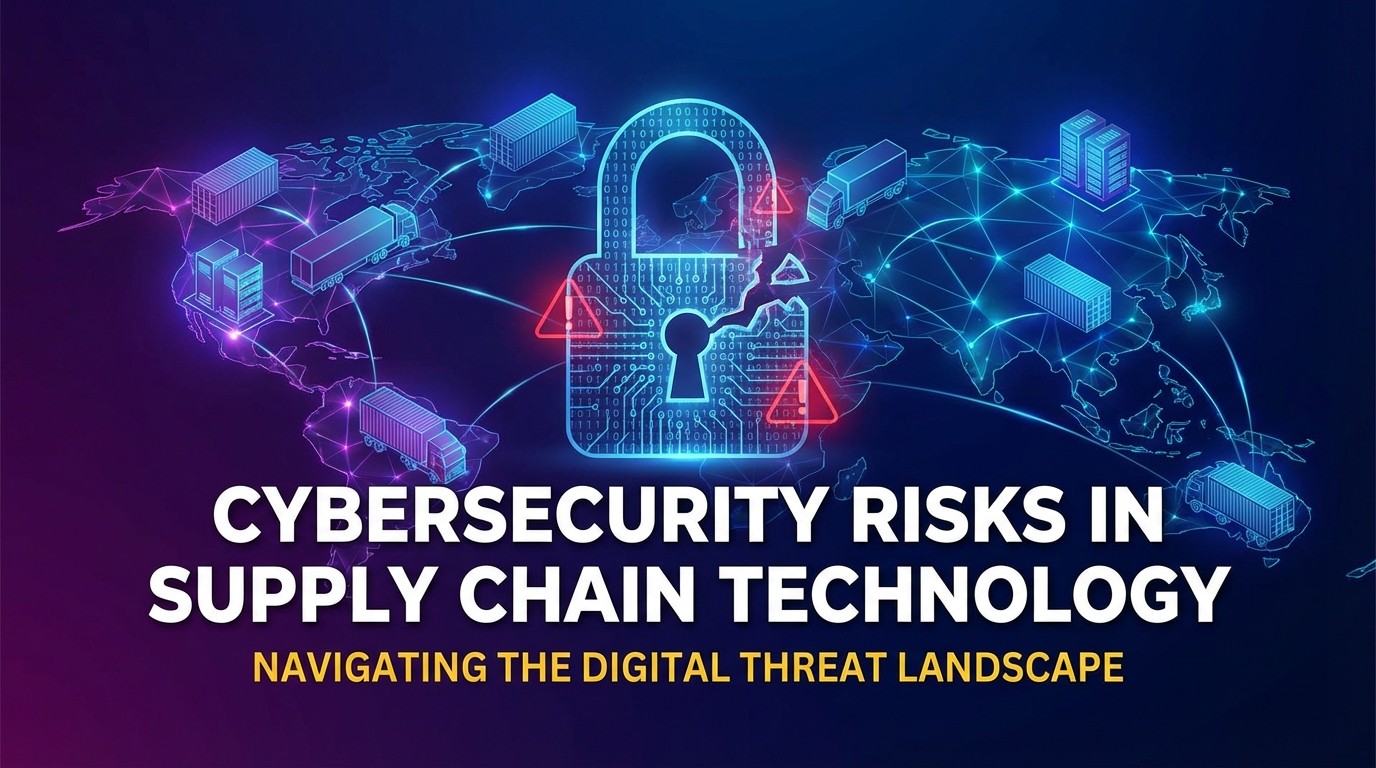
Cybersecurity Risks in Supply Chain Technology
Introduction
As supply chains become increasingly digitized, cybersecurity risks are emerging as a critical operational concern. Cyber threats no longer target only corporate IT systems; they increasingly exploit vulnerabilities across logistics platforms, supplier portals, and connected devices within supply chain ecosystems.
The Expanding Attack Surface
Digital supply chains introduce new risk vectors, including:
Third-party vendor systems
IoT devices and sensor networks
Cloud-based SCM platforms
API integrations across partners
Legacy systems with outdated security protocols
These interconnected environments expand the potential entry points for cyber threats.
Operational Consequences of Cyber Incidents
Cybersecurity breaches can result in:
Disruption of logistics and fulfillment operations
Loss of sensitive supplier and customer data
Financial losses from ransomware attacks
Regulatory penalties and compliance failures
Erosion of partner and customer trust
Operational downtime caused by cyber incidents can rival physical disruptions in impact.
Building Cyber-Resilient Supply Chains
Key cybersecurity measures include:
Vendor risk assessments and security audits
Network segmentation and access controls
Continuous monitoring and threat detection
Employee cybersecurity awareness training
Incident response and recovery planning
Cybersecurity must be embedded into supply chain governance rather than treated as a standalone IT issue.
Conclusion
Cybersecurity is now a core component of supply chain resilience. As digital interdependencies deepen, organizations must adopt a holistic approach to securing supply chain technologies, safeguarding not only data but also the continuity of operational execution.
#Cybersecurity #DigitalSupplyChain #SupplyChainRisk #OperationalResilience #ITSecurity #RiskManagement
More to Discover


Insights
Cybersecurity Risks in Supply Chain Technology
Introduction
As supply chains become increasingly digitized, cybersecurity risks are emerging as a critical operational concern. Cyber threats no longer target only corporate IT systems; they increasingly exploit vulnerabilities across logistics platforms, supplier portals, and connected devices within supply chain ecosystems.
The Expanding Attack Surface
Digital supply chains introduce new risk vectors, including:
Third-party vendor systems
IoT devices and sensor networks
Cloud-based SCM platforms
API integrations across partners
Legacy systems with outdated security protocols
These interconnected environments expand the potential entry points for cyber threats.
Operational Consequences of Cyber Incidents
Cybersecurity breaches can result in:
Disruption of logistics and fulfillment operations
Loss of sensitive supplier and customer data
Financial losses from ransomware attacks
Regulatory penalties and compliance failures
Erosion of partner and customer trust
Operational downtime caused by cyber incidents can rival physical disruptions in impact.
Building Cyber-Resilient Supply Chains
Key cybersecurity measures include:
Vendor risk assessments and security audits
Network segmentation and access controls
Continuous monitoring and threat detection
Employee cybersecurity awareness training
Incident response and recovery planning
Cybersecurity must be embedded into supply chain governance rather than treated as a standalone IT issue.
Conclusion
Cybersecurity is now a core component of supply chain resilience. As digital interdependencies deepen, organizations must adopt a holistic approach to securing supply chain technologies, safeguarding not only data but also the continuity of operational execution.
#Cybersecurity #DigitalSupplyChain #SupplyChainRisk #OperationalResilience #ITSecurity #RiskManagement
More to Discover
Insights
Cybersecurity Risks in Supply Chain Technology
Introduction
As supply chains become increasingly digitized, cybersecurity risks are emerging as a critical operational concern. Cyber threats no longer target only corporate IT systems; they increasingly exploit vulnerabilities across logistics platforms, supplier portals, and connected devices within supply chain ecosystems.
The Expanding Attack Surface
Digital supply chains introduce new risk vectors, including:
Third-party vendor systems
IoT devices and sensor networks
Cloud-based SCM platforms
API integrations across partners
Legacy systems with outdated security protocols
These interconnected environments expand the potential entry points for cyber threats.
Operational Consequences of Cyber Incidents
Cybersecurity breaches can result in:
Disruption of logistics and fulfillment operations
Loss of sensitive supplier and customer data
Financial losses from ransomware attacks
Regulatory penalties and compliance failures
Erosion of partner and customer trust
Operational downtime caused by cyber incidents can rival physical disruptions in impact.
Building Cyber-Resilient Supply Chains
Key cybersecurity measures include:
Vendor risk assessments and security audits
Network segmentation and access controls
Continuous monitoring and threat detection
Employee cybersecurity awareness training
Incident response and recovery planning
Cybersecurity must be embedded into supply chain governance rather than treated as a standalone IT issue.
Conclusion
Cybersecurity is now a core component of supply chain resilience. As digital interdependencies deepen, organizations must adopt a holistic approach to securing supply chain technologies, safeguarding not only data but also the continuity of operational execution.
#Cybersecurity #DigitalSupplyChain #SupplyChainRisk #OperationalResilience #ITSecurity #RiskManagement