Insights
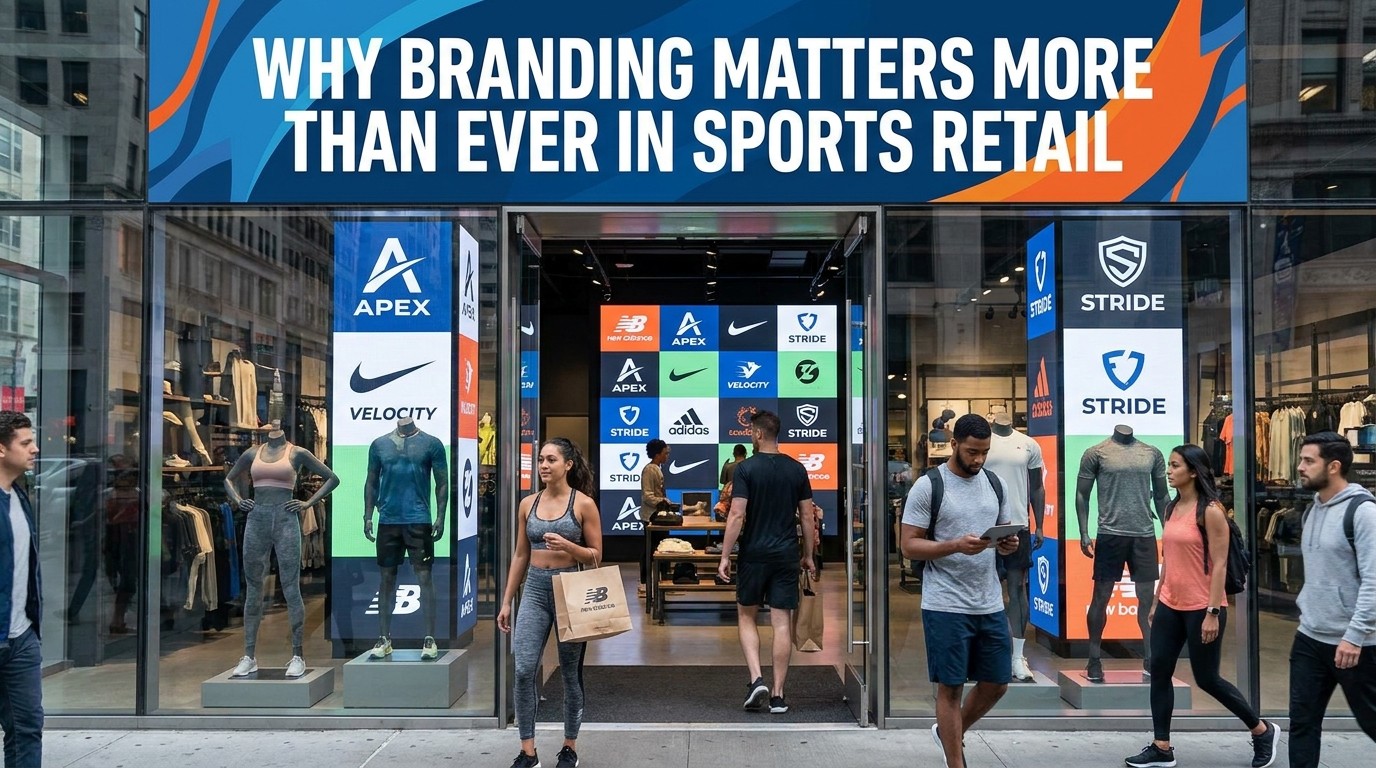
Why Branding Matters More Than Ever in Sports Retail
🔹 Products are easier to manufacture than ever before.
🔹 Building a recognizable sports brand is becoming the real competitive advantage.
The global sports retail industry has changed dramatically over the past decade.
Today, manufacturing access is no longer limited to massive corporations.
Thanks to:
OEM manufacturing
Private labelling
Global sourcing
E-commerce
Digital marketing
almost anyone can launch:
Sportswear brands
Football collections
Gym apparel lines
Athletic accessories
Custom sports merchandise
But this creates a new challenge:
when manufacturing becomes more accessible, differentiation becomes harder.
At Talha Khan OPS, we believe branding is becoming one of the most important strategic assets in modern sports retail.
Because consumers increasingly buy:
Identity
Trust
Community
Lifestyle alignment
not just products alone.
Operator Perspective:
In competitive markets, operational capability builds businesses, but branding builds recognition.
Why Branding Has Become So Important
Modern sports consumers face endless product choices.
Online marketplaces now contain:
Thousands of apparel brands
Countless football suppliers
Global sportswear competitors
Direct-to-consumer businesses
Without strong branding,
many businesses become:
operationally functional but commercially invisible.
Branding helps businesses:
· Create differentiation
· Build emotional connection
· Improve retention
· Increase perceived value
· Strengthen customer loyalty
especially in crowded retail environments.
Why Consumers Buy Sports Brands Emotionally
Sports products are heavily identity-driven.
Consumers often choose brands based on:
Lifestyle
Culture
Community
Aspiration
Personal alignment
This is particularly true in:
Soccer culture
Gym communities
Activewear
Grassroots athletics
Fitness markets
Strong branding transforms products into:
identity signals.
That’s why branding increasingly influences:
Purchasing behaviour
Retention
Community growth
Pricing power
Why Generic Products Struggle in Modern Retail
Many businesses focus heavily on:
· Manufacturing
· Sourcing
· Pricing
while underestimating:
· Storytelling
· Positioning
· Visual identity
· Community building
The result?
Products compete only on price.
And price-based competition becomes increasingly difficult long-term.
Operator Perspective:
Businesses without brand differentiation often become trapped in margin competition.
Why Private Label Growth Increased Branding Importance
The rise of:
OEM manufacturing
Private labelling
Direct sourcing
made production more accessible globally.
This created enormous opportunity,
but also significantly more competition.
Now,
the brands succeeding most are often the ones combining:
· Operational quality
· Product consistency
· Strong visual identity
· Audience connection
· Fulfillment reliability
into cohesive customer experiences.
Why Sports Retail Is Becoming More Community-Driven
Modern consumers increasingly support brands that feel:
Authentic
Niche-focused
Community-aligned
Culturally relevant
This creates opportunities for:
Soccer-focused brands
Gym apparel companies
Grassroots sports businesses
Specialized athletic retailers
to compete effectively against larger corporations through:
Identity
Engagement
Operational agility
rather than pure advertising scale.
Why Manufacturing & Branding Must Work Together
Strong branding alone is not enough.
Operational inconsistency quickly damages:
Customer trust
Reviews
Retention
Brand perception
This is why scalable sports brands require:
· Reliable manufacturing
· Inventory visibility
· Fulfillment consistency
· Quality control
· Operational discipline
behind the branding itself.
Manufacturing ecosystems like Sialkot remain strategically important because they combine:
Sports manufacturing expertise
OEM capability
Customization flexibility
Export readiness
with scalable production infrastructure.
Brands like STRYK World represent this evolving market direction by balancing:
Affordable premium positioning
OEM manufacturing
Private labelling
Custom sports products
Operational responsiveness
while building recognizable identity within global sports markets.
The Rise of Affordable Premium Branding
One major shift globally:
consumers increasingly want:
premium brand experience without luxury-level pricing.
This creates strong opportunities for:
· Affordable premium sportswear
· Niche football brands
· Private-label sports products
· Community-driven athletic brands
Businesses successfully balancing:
· Quality
· Branding
· Pricing
· Fulfillment
gain significant market advantage.
Mini Industry Observation, Retail Is Becoming More Psychological
One major shift happening globally:
sports retail increasingly operates emotionally, not just transactionally.
Customers increasingly evaluate:
· Packaging
· Storytelling
· Visual identity
· Community engagement
· Brand values
alongside product functionality.
This means branding itself now directly influences:
· Conversion
· Retention
· Perceived quality
· Pricing power
Branding is becoming operationally valuable.
Industry Prediction for 2026–2035
Over the next decade,
sports retail will likely become:
More brand-driven
More niche-focused
More community-oriented
More customization-led
We’ll likely see increasing demand for:
Private-label sports brands
Custom merchandise
Direct-to-consumer sportswear
Club-branded products
Community-led athletic businesses
The brands succeeding most will likely combine:
· Strong operational systems
· Quality manufacturing
· Fulfillment reliability
· Community identity
· Authentic branding
into scalable sports retail ecosystems.
Final Thought
Modern sports retail is no longer just about selling products.
It’s about building:
Identity
Trust
Operational consistency
Customer loyalty
Recognizable positioning
The brands that survive long-term will likely be the ones capable of balancing:
Operational execution
withEmotional brand connection.
🔹 Manufacturing creates products.
🔹 Branding creates recognition and loyalty.
What makes sports brands memorable today, quality, identity, storytelling, or community?
Let’s discuss below.
📩 Connect with us:
🌐 Talha Khan OPS
🌐 STRYK World
#SportsRetail #Branding #SportsBusiness #Sportswear #OEMManufacturing #PrivateLabel #BusinessOperations #BrandBuilding #SupplyChain #CustomApparel #FootballManufacturing #RetailOperations #SportsManufacturing #OperationalExcellence #SportsBrands #D2C #CustomerExperience #BusinessGrowth #WholesaleSports #Customization #Activewear #Sialkot #SportsIndustry #OperationalLeadership #STRYKWorld #TalhaKhanOPS #CommunityBuilding #RetailStrategy #FutureOfRetail #BrandStrategy
More to Discover
Insights
Why Branding Matters More Than Ever in Sports Retail
🔹 Products are easier to manufacture than ever before.
🔹 Building a recognizable sports brand is becoming the real competitive advantage.
The global sports retail industry has changed dramatically over the past decade.
Today, manufacturing access is no longer limited to massive corporations.
Thanks to:
OEM manufacturing
Private labelling
Global sourcing
E-commerce
Digital marketing
almost anyone can launch:
Sportswear brands
Football collections
Gym apparel lines
Athletic accessories
Custom sports merchandise
But this creates a new challenge:
when manufacturing becomes more accessible, differentiation becomes harder.
At Talha Khan OPS, we believe branding is becoming one of the most important strategic assets in modern sports retail.
Because consumers increasingly buy:
Identity
Trust
Community
Lifestyle alignment
not just products alone.
Operator Perspective:
In competitive markets, operational capability builds businesses, but branding builds recognition.
Why Branding Has Become So Important
Modern sports consumers face endless product choices.
Online marketplaces now contain:
Thousands of apparel brands
Countless football suppliers
Global sportswear competitors
Direct-to-consumer businesses
Without strong branding,
many businesses become:
operationally functional but commercially invisible.
Branding helps businesses:
· Create differentiation
· Build emotional connection
· Improve retention
· Increase perceived value
· Strengthen customer loyalty
especially in crowded retail environments.
Why Consumers Buy Sports Brands Emotionally
Sports products are heavily identity-driven.
Consumers often choose brands based on:
Lifestyle
Culture
Community
Aspiration
Personal alignment
This is particularly true in:
Soccer culture
Gym communities
Activewear
Grassroots athletics
Fitness markets
Strong branding transforms products into:
identity signals.
That’s why branding increasingly influences:
Purchasing behaviour
Retention
Community growth
Pricing power
Why Generic Products Struggle in Modern Retail
Many businesses focus heavily on:
· Manufacturing
· Sourcing
· Pricing
while underestimating:
· Storytelling
· Positioning
· Visual identity
· Community building
The result?
Products compete only on price.
And price-based competition becomes increasingly difficult long-term.
Operator Perspective:
Businesses without brand differentiation often become trapped in margin competition.
Why Private Label Growth Increased Branding Importance
The rise of:
OEM manufacturing
Private labelling
Direct sourcing
made production more accessible globally.
This created enormous opportunity,
but also significantly more competition.
Now,
the brands succeeding most are often the ones combining:
· Operational quality
· Product consistency
· Strong visual identity
· Audience connection
· Fulfillment reliability
into cohesive customer experiences.
Why Sports Retail Is Becoming More Community-Driven
Modern consumers increasingly support brands that feel:
Authentic
Niche-focused
Community-aligned
Culturally relevant
This creates opportunities for:
Soccer-focused brands
Gym apparel companies
Grassroots sports businesses
Specialized athletic retailers
to compete effectively against larger corporations through:
Identity
Engagement
Operational agility
rather than pure advertising scale.
Why Manufacturing & Branding Must Work Together
Strong branding alone is not enough.
Operational inconsistency quickly damages:
Customer trust
Reviews
Retention
Brand perception
This is why scalable sports brands require:
· Reliable manufacturing
· Inventory visibility
· Fulfillment consistency
· Quality control
· Operational discipline
behind the branding itself.
Manufacturing ecosystems like Sialkot remain strategically important because they combine:
Sports manufacturing expertise
OEM capability
Customization flexibility
Export readiness
with scalable production infrastructure.
Brands like STRYK World represent this evolving market direction by balancing:
Affordable premium positioning
OEM manufacturing
Private labelling
Custom sports products
Operational responsiveness
while building recognizable identity within global sports markets.
The Rise of Affordable Premium Branding
One major shift globally:
consumers increasingly want:
premium brand experience without luxury-level pricing.
This creates strong opportunities for:
· Affordable premium sportswear
· Niche football brands
· Private-label sports products
· Community-driven athletic brands
Businesses successfully balancing:
· Quality
· Branding
· Pricing
· Fulfillment
gain significant market advantage.
Mini Industry Observation, Retail Is Becoming More Psychological
One major shift happening globally:
sports retail increasingly operates emotionally, not just transactionally.
Customers increasingly evaluate:
· Packaging
· Storytelling
· Visual identity
· Community engagement
· Brand values
alongside product functionality.
This means branding itself now directly influences:
· Conversion
· Retention
· Perceived quality
· Pricing power
Branding is becoming operationally valuable.
Industry Prediction for 2026–2035
Over the next decade,
sports retail will likely become:
More brand-driven
More niche-focused
More community-oriented
More customization-led
We’ll likely see increasing demand for:
Private-label sports brands
Custom merchandise
Direct-to-consumer sportswear
Club-branded products
Community-led athletic businesses
The brands succeeding most will likely combine:
· Strong operational systems
· Quality manufacturing
· Fulfillment reliability
· Community identity
· Authentic branding
into scalable sports retail ecosystems.
Final Thought
Modern sports retail is no longer just about selling products.
It’s about building:
Identity
Trust
Operational consistency
Customer loyalty
Recognizable positioning
The brands that survive long-term will likely be the ones capable of balancing:
Operational execution
withEmotional brand connection.
🔹 Manufacturing creates products.
🔹 Branding creates recognition and loyalty.
What makes sports brands memorable today, quality, identity, storytelling, or community?
Let’s discuss below.
📩 Connect with us:
🌐 Talha Khan OPS
🌐 STRYK World
#SportsRetail #Branding #SportsBusiness #Sportswear #OEMManufacturing #PrivateLabel #BusinessOperations #BrandBuilding #SupplyChain #CustomApparel #FootballManufacturing #RetailOperations #SportsManufacturing #OperationalExcellence #SportsBrands #D2C #CustomerExperience #BusinessGrowth #WholesaleSports #Customization #Activewear #Sialkot #SportsIndustry #OperationalLeadership #STRYKWorld #TalhaKhanOPS #CommunityBuilding #RetailStrategy #FutureOfRetail #BrandStrategy
More to Discover
Insights
Why Branding Matters More Than Ever in Sports Retail
🔹 Products are easier to manufacture than ever before.
🔹 Building a recognizable sports brand is becoming the real competitive advantage.
The global sports retail industry has changed dramatically over the past decade.
Today, manufacturing access is no longer limited to massive corporations.
Thanks to:
OEM manufacturing
Private labelling
Global sourcing
E-commerce
Digital marketing
almost anyone can launch:
Sportswear brands
Football collections
Gym apparel lines
Athletic accessories
Custom sports merchandise
But this creates a new challenge:
when manufacturing becomes more accessible, differentiation becomes harder.
At Talha Khan OPS, we believe branding is becoming one of the most important strategic assets in modern sports retail.
Because consumers increasingly buy:
Identity
Trust
Community
Lifestyle alignment
not just products alone.
Operator Perspective:
In competitive markets, operational capability builds businesses, but branding builds recognition.
Why Branding Has Become So Important
Modern sports consumers face endless product choices.
Online marketplaces now contain:
Thousands of apparel brands
Countless football suppliers
Global sportswear competitors
Direct-to-consumer businesses
Without strong branding,
many businesses become:
operationally functional but commercially invisible.
Branding helps businesses:
· Create differentiation
· Build emotional connection
· Improve retention
· Increase perceived value
· Strengthen customer loyalty
especially in crowded retail environments.
Why Consumers Buy Sports Brands Emotionally
Sports products are heavily identity-driven.
Consumers often choose brands based on:
Lifestyle
Culture
Community
Aspiration
Personal alignment
This is particularly true in:
Soccer culture
Gym communities
Activewear
Grassroots athletics
Fitness markets
Strong branding transforms products into:
identity signals.
That’s why branding increasingly influences:
Purchasing behaviour
Retention
Community growth
Pricing power
Why Generic Products Struggle in Modern Retail
Many businesses focus heavily on:
· Manufacturing
· Sourcing
· Pricing
while underestimating:
· Storytelling
· Positioning
· Visual identity
· Community building
The result?
Products compete only on price.
And price-based competition becomes increasingly difficult long-term.
Operator Perspective:
Businesses without brand differentiation often become trapped in margin competition.
Why Private Label Growth Increased Branding Importance
The rise of:
OEM manufacturing
Private labelling
Direct sourcing
made production more accessible globally.
This created enormous opportunity,
but also significantly more competition.
Now,
the brands succeeding most are often the ones combining:
· Operational quality
· Product consistency
· Strong visual identity
· Audience connection
· Fulfillment reliability
into cohesive customer experiences.
Why Sports Retail Is Becoming More Community-Driven
Modern consumers increasingly support brands that feel:
Authentic
Niche-focused
Community-aligned
Culturally relevant
This creates opportunities for:
Soccer-focused brands
Gym apparel companies
Grassroots sports businesses
Specialized athletic retailers
to compete effectively against larger corporations through:
Identity
Engagement
Operational agility
rather than pure advertising scale.
Why Manufacturing & Branding Must Work Together
Strong branding alone is not enough.
Operational inconsistency quickly damages:
Customer trust
Reviews
Retention
Brand perception
This is why scalable sports brands require:
· Reliable manufacturing
· Inventory visibility
· Fulfillment consistency
· Quality control
· Operational discipline
behind the branding itself.
Manufacturing ecosystems like Sialkot remain strategically important because they combine:
Sports manufacturing expertise
OEM capability
Customization flexibility
Export readiness
with scalable production infrastructure.
Brands like STRYK World represent this evolving market direction by balancing:
Affordable premium positioning
OEM manufacturing
Private labelling
Custom sports products
Operational responsiveness
while building recognizable identity within global sports markets.
The Rise of Affordable Premium Branding
One major shift globally:
consumers increasingly want:
premium brand experience without luxury-level pricing.
This creates strong opportunities for:
· Affordable premium sportswear
· Niche football brands
· Private-label sports products
· Community-driven athletic brands
Businesses successfully balancing:
· Quality
· Branding
· Pricing
· Fulfillment
gain significant market advantage.
Mini Industry Observation, Retail Is Becoming More Psychological
One major shift happening globally:
sports retail increasingly operates emotionally, not just transactionally.
Customers increasingly evaluate:
· Packaging
· Storytelling
· Visual identity
· Community engagement
· Brand values
alongside product functionality.
This means branding itself now directly influences:
· Conversion
· Retention
· Perceived quality
· Pricing power
Branding is becoming operationally valuable.
Industry Prediction for 2026–2035
Over the next decade,
sports retail will likely become:
More brand-driven
More niche-focused
More community-oriented
More customization-led
We’ll likely see increasing demand for:
Private-label sports brands
Custom merchandise
Direct-to-consumer sportswear
Club-branded products
Community-led athletic businesses
The brands succeeding most will likely combine:
· Strong operational systems
· Quality manufacturing
· Fulfillment reliability
· Community identity
· Authentic branding
into scalable sports retail ecosystems.
Final Thought
Modern sports retail is no longer just about selling products.
It’s about building:
Identity
Trust
Operational consistency
Customer loyalty
Recognizable positioning
The brands that survive long-term will likely be the ones capable of balancing:
Operational execution
withEmotional brand connection.
🔹 Manufacturing creates products.
🔹 Branding creates recognition and loyalty.
What makes sports brands memorable today, quality, identity, storytelling, or community?
Let’s discuss below.
📩 Connect with us:
🌐 Talha Khan OPS
🌐 STRYK World
#SportsRetail #Branding #SportsBusiness #Sportswear #OEMManufacturing #PrivateLabel #BusinessOperations #BrandBuilding #SupplyChain #CustomApparel #FootballManufacturing #RetailOperations #SportsManufacturing #OperationalExcellence #SportsBrands #D2C #CustomerExperience #BusinessGrowth #WholesaleSports #Customization #Activewear #Sialkot #SportsIndustry #OperationalLeadership #STRYKWorld #TalhaKhanOPS #CommunityBuilding #RetailStrategy #FutureOfRetail #BrandStrategy