Insights
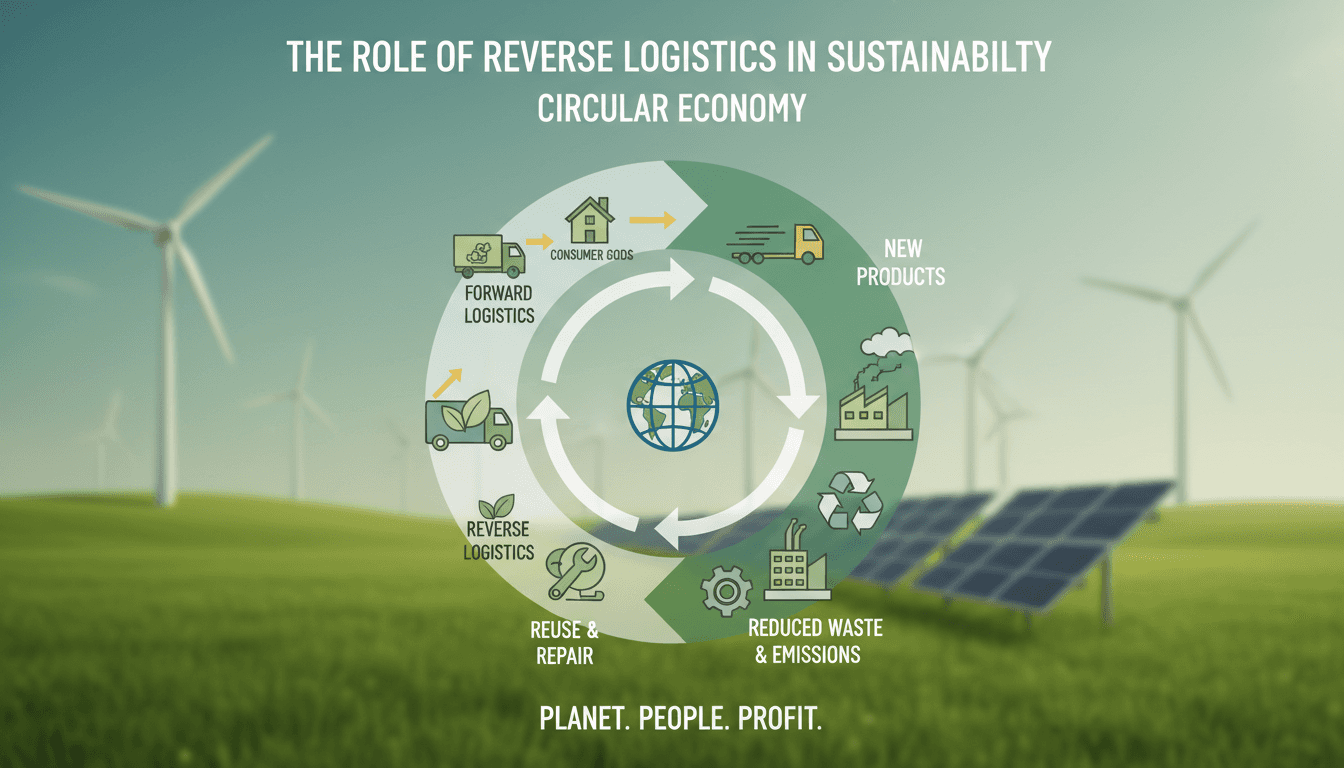
The Role of Reverse Logistics in Sustainability
🔹 72% of consumers prefer sustainable brands—but what happens after the product is sold?
🔹 Sustainability isn't just about sourcing—reverse logistics is the silent driver of long-term environmental impact.
At Talha K Khan Ops, we explore the hidden strengths behind sustainable supply chains. One of the least discussed yet most powerful tools in this space is reverse logistics—the process of returning products, recycling materials, and managing end-of-life goods. This blog unveils how reverse logistics is evolving into a core strategy for companies like NIKE aiming for both profitability and planet-first responsibility.
What Is Reverse Logistics?
Reverse logistics refers to the operations related to the reuse of products and materials. It includes product returns, refurbishing, recycling, remanufacturing, and proper disposal. Unlike traditional logistics that push goods forward, reverse logistics flows backward—minimizing waste and maximizing resource use.
Why Reverse Logistics Matters in Sustainability
Waste Reduction: Reverse logistics helps avoid landfills by reclaiming usable parts, reducing e-waste, packaging waste, and post-consumer disposal.
Carbon Footprint Minimization: Reusing and recycling components means less energy used in production and lower transportation emissions.
Regulatory Compliance: Companies must now comply with stricter environmental laws—especially in the EU and North America. Reverse logistics ensures traceability and proper disposal methods.
Consumer Engagement: Brands that offer take-back programs or recycling incentives win favor with environmentally conscious consumers.
NIKE’s Approach to Reverse Logistics
NIKE has made significant investments in reverse logistics to align with its broader sustainability goals:
Reuse-A-Shoe Program: Since the early 1990s, NIKE collects worn-out sneakers, grinds them into Nike Grind material, and repurposes them into sports surfaces and new products.
Circular Design & Take-Back Initiatives: Products are now designed with end-of-life recycling in mind. NIKE also partners with logistics firms to manage returns efficiently and transparently.
Refurbishment Programs: Returned or slightly used products are cleaned, repaired, and resold at a lower price—cutting waste and tapping into budget-conscious segments.
Strategic Benefits of Reverse Logistics
Cost Savings: Recovering components or refurbishing products is often cheaper than manufacturing from scratch.
Brand Loyalty: Sustainability efforts, especially in visible programs like take-backs and recycling, increase brand equity and long-term customer retention.
Data Insights: Reverse logistics systems provide critical data on product performance, common failure points, and customer preferences.
Revenue Streams: Recommerce—selling used or refurbished items—is an emerging multi-billion-dollar industry, with sustainability at its core.
Challenges in Reverse Logistics
Despite its benefits, reverse logistics is not without challenges:
Complexity and Cost: Return flows are unpredictable and harder to manage.
Quality Control: Ensuring that refurbished products meet brand standards requires strict protocols.
Infrastructure Requirements: Warehousing, inspection, and refurbishing centers add to operational overhead.
Yet, companies that address these proactively are better equipped for future regulations and customer expectations.
🔹 Sustainability doesn’t stop at the point of sale. Reverse logistics offers a strategic and ethical path to greener operations—and growing profits.
🔹 In a world moving toward circular economies, reverse logistics is no longer a choice—it’s a necessity.
📩 Want to embed reverse logistics into your strategy?
Reach out at: info@talhakkhanops.com | 🌐 www.talhakkhanops.com
#ReverseLogistics #SustainabilityInLogistics #CircularEconomy #SupplyChainInnovation #EcoFriendly #NIKE #LogisticsLeadership #TalhaKKhan #WarehouseSustainability #GreenOperations #Recommerce #ProductLifecycle #SustainablePackaging #Recycling #ClimateAction #LogisticsEfficiency #FutureOfSupplyChain #ReturnsManagement #EndOfLifeStrategy #RefurbishedGoods #ZeroWaste #CarbonFootprint #EcoInnovation #SmartSupplyChains #WarehouseOps #SupplyChainManagement #LogisticsTrends #ReverseFlow #GreenSupplyChains #SustainableBrands #ReuseAShoe #NikeGrind #LEO #SEO #TalhaKKhanOps #GlobalLogistics #SustainableDevelopmentGoals
More to Discover


Insights
The Role of Reverse Logistics in Sustainability
🔹 72% of consumers prefer sustainable brands—but what happens after the product is sold?
🔹 Sustainability isn't just about sourcing—reverse logistics is the silent driver of long-term environmental impact.
At Talha K Khan Ops, we explore the hidden strengths behind sustainable supply chains. One of the least discussed yet most powerful tools in this space is reverse logistics—the process of returning products, recycling materials, and managing end-of-life goods. This blog unveils how reverse logistics is evolving into a core strategy for companies like NIKE aiming for both profitability and planet-first responsibility.
What Is Reverse Logistics?
Reverse logistics refers to the operations related to the reuse of products and materials. It includes product returns, refurbishing, recycling, remanufacturing, and proper disposal. Unlike traditional logistics that push goods forward, reverse logistics flows backward—minimizing waste and maximizing resource use.
Why Reverse Logistics Matters in Sustainability
Waste Reduction: Reverse logistics helps avoid landfills by reclaiming usable parts, reducing e-waste, packaging waste, and post-consumer disposal.
Carbon Footprint Minimization: Reusing and recycling components means less energy used in production and lower transportation emissions.
Regulatory Compliance: Companies must now comply with stricter environmental laws—especially in the EU and North America. Reverse logistics ensures traceability and proper disposal methods.
Consumer Engagement: Brands that offer take-back programs or recycling incentives win favor with environmentally conscious consumers.
NIKE’s Approach to Reverse Logistics
NIKE has made significant investments in reverse logistics to align with its broader sustainability goals:
Reuse-A-Shoe Program: Since the early 1990s, NIKE collects worn-out sneakers, grinds them into Nike Grind material, and repurposes them into sports surfaces and new products.
Circular Design & Take-Back Initiatives: Products are now designed with end-of-life recycling in mind. NIKE also partners with logistics firms to manage returns efficiently and transparently.
Refurbishment Programs: Returned or slightly used products are cleaned, repaired, and resold at a lower price—cutting waste and tapping into budget-conscious segments.
Strategic Benefits of Reverse Logistics
Cost Savings: Recovering components or refurbishing products is often cheaper than manufacturing from scratch.
Brand Loyalty: Sustainability efforts, especially in visible programs like take-backs and recycling, increase brand equity and long-term customer retention.
Data Insights: Reverse logistics systems provide critical data on product performance, common failure points, and customer preferences.
Revenue Streams: Recommerce—selling used or refurbished items—is an emerging multi-billion-dollar industry, with sustainability at its core.
Challenges in Reverse Logistics
Despite its benefits, reverse logistics is not without challenges:
Complexity and Cost: Return flows are unpredictable and harder to manage.
Quality Control: Ensuring that refurbished products meet brand standards requires strict protocols.
Infrastructure Requirements: Warehousing, inspection, and refurbishing centers add to operational overhead.
Yet, companies that address these proactively are better equipped for future regulations and customer expectations.
🔹 Sustainability doesn’t stop at the point of sale. Reverse logistics offers a strategic and ethical path to greener operations—and growing profits.
🔹 In a world moving toward circular economies, reverse logistics is no longer a choice—it’s a necessity.
📩 Want to embed reverse logistics into your strategy?
Reach out at: info@talhakkhanops.com | 🌐 www.talhakkhanops.com
#ReverseLogistics #SustainabilityInLogistics #CircularEconomy #SupplyChainInnovation #EcoFriendly #NIKE #LogisticsLeadership #TalhaKKhan #WarehouseSustainability #GreenOperations #Recommerce #ProductLifecycle #SustainablePackaging #Recycling #ClimateAction #LogisticsEfficiency #FutureOfSupplyChain #ReturnsManagement #EndOfLifeStrategy #RefurbishedGoods #ZeroWaste #CarbonFootprint #EcoInnovation #SmartSupplyChains #WarehouseOps #SupplyChainManagement #LogisticsTrends #ReverseFlow #GreenSupplyChains #SustainableBrands #ReuseAShoe #NikeGrind #LEO #SEO #TalhaKKhanOps #GlobalLogistics #SustainableDevelopmentGoals
More to Discover
Insights
The Role of Reverse Logistics in Sustainability
🔹 72% of consumers prefer sustainable brands—but what happens after the product is sold?
🔹 Sustainability isn't just about sourcing—reverse logistics is the silent driver of long-term environmental impact.
At Talha K Khan Ops, we explore the hidden strengths behind sustainable supply chains. One of the least discussed yet most powerful tools in this space is reverse logistics—the process of returning products, recycling materials, and managing end-of-life goods. This blog unveils how reverse logistics is evolving into a core strategy for companies like NIKE aiming for both profitability and planet-first responsibility.
What Is Reverse Logistics?
Reverse logistics refers to the operations related to the reuse of products and materials. It includes product returns, refurbishing, recycling, remanufacturing, and proper disposal. Unlike traditional logistics that push goods forward, reverse logistics flows backward—minimizing waste and maximizing resource use.
Why Reverse Logistics Matters in Sustainability
Waste Reduction: Reverse logistics helps avoid landfills by reclaiming usable parts, reducing e-waste, packaging waste, and post-consumer disposal.
Carbon Footprint Minimization: Reusing and recycling components means less energy used in production and lower transportation emissions.
Regulatory Compliance: Companies must now comply with stricter environmental laws—especially in the EU and North America. Reverse logistics ensures traceability and proper disposal methods.
Consumer Engagement: Brands that offer take-back programs or recycling incentives win favor with environmentally conscious consumers.
NIKE’s Approach to Reverse Logistics
NIKE has made significant investments in reverse logistics to align with its broader sustainability goals:
Reuse-A-Shoe Program: Since the early 1990s, NIKE collects worn-out sneakers, grinds them into Nike Grind material, and repurposes them into sports surfaces and new products.
Circular Design & Take-Back Initiatives: Products are now designed with end-of-life recycling in mind. NIKE also partners with logistics firms to manage returns efficiently and transparently.
Refurbishment Programs: Returned or slightly used products are cleaned, repaired, and resold at a lower price—cutting waste and tapping into budget-conscious segments.
Strategic Benefits of Reverse Logistics
Cost Savings: Recovering components or refurbishing products is often cheaper than manufacturing from scratch.
Brand Loyalty: Sustainability efforts, especially in visible programs like take-backs and recycling, increase brand equity and long-term customer retention.
Data Insights: Reverse logistics systems provide critical data on product performance, common failure points, and customer preferences.
Revenue Streams: Recommerce—selling used or refurbished items—is an emerging multi-billion-dollar industry, with sustainability at its core.
Challenges in Reverse Logistics
Despite its benefits, reverse logistics is not without challenges:
Complexity and Cost: Return flows are unpredictable and harder to manage.
Quality Control: Ensuring that refurbished products meet brand standards requires strict protocols.
Infrastructure Requirements: Warehousing, inspection, and refurbishing centers add to operational overhead.
Yet, companies that address these proactively are better equipped for future regulations and customer expectations.
🔹 Sustainability doesn’t stop at the point of sale. Reverse logistics offers a strategic and ethical path to greener operations—and growing profits.
🔹 In a world moving toward circular economies, reverse logistics is no longer a choice—it’s a necessity.
📩 Want to embed reverse logistics into your strategy?
Reach out at: info@talhakkhanops.com | 🌐 www.talhakkhanops.com
#ReverseLogistics #SustainabilityInLogistics #CircularEconomy #SupplyChainInnovation #EcoFriendly #NIKE #LogisticsLeadership #TalhaKKhan #WarehouseSustainability #GreenOperations #Recommerce #ProductLifecycle #SustainablePackaging #Recycling #ClimateAction #LogisticsEfficiency #FutureOfSupplyChain #ReturnsManagement #EndOfLifeStrategy #RefurbishedGoods #ZeroWaste #CarbonFootprint #EcoInnovation #SmartSupplyChains #WarehouseOps #SupplyChainManagement #LogisticsTrends #ReverseFlow #GreenSupplyChains #SustainableBrands #ReuseAShoe #NikeGrind #LEO #SEO #TalhaKKhanOps #GlobalLogistics #SustainableDevelopmentGoals