Insights
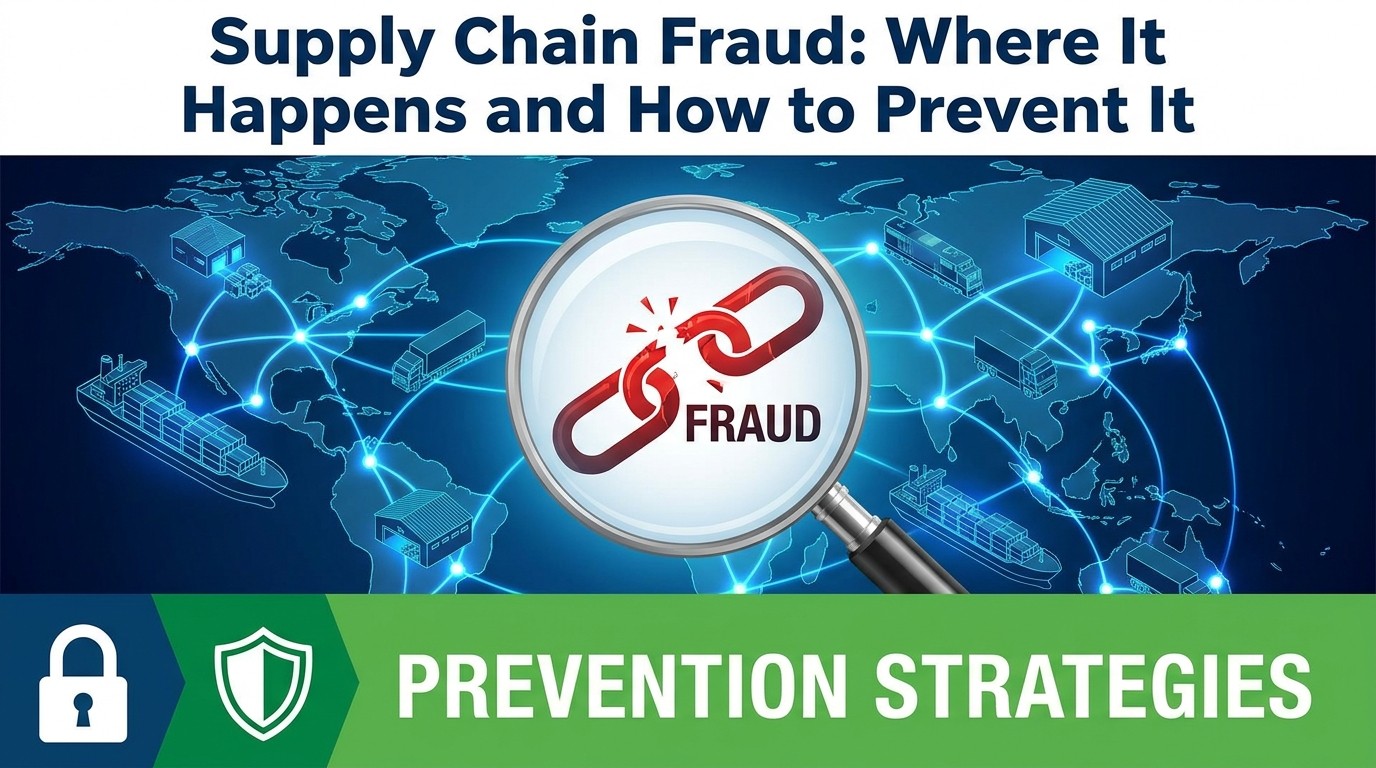
Supply Chain Fraud: Where It Happens and How to Prevent It
Introduction
Supply chain fraud remains a persistent risk across procurement, logistics, and distribution activities. Fraudulent practices, ranging from invoice manipulation and counterfeit goods to diversion and kickbacks, can undermine financial performance, compromise product integrity, and expose organizations to legal risk. Understanding where fraud occurs and how to prevent it is critical for safeguarding supply chain integrity.
Common Fraud Vectors
Fraud can occur across multiple points, including:
Procurement fraud (bribery, inflated invoices, ghost suppliers)
Counterfeit or diverted goods within logistics networks
Collusion between internal staff and external partners
Manipulation of documentation and customs declarations
Theft and misrepresentation in warehousing and transportation
Prevention and Detection Mechanisms
Organizations can mitigate fraud risk by:
Strengthening segregation of duties and approval controls
Implementing analytics to detect anomalous transaction patterns
Conducting regular audits and supplier due diligence
Establishing whistleblower and reporting mechanisms
Training employees on fraud awareness and ethical conduct
Governance and Culture
Fraud prevention also depends on:
Clear ethical standards and codes of conduct
Leadership tone that reinforces integrity
Consistent enforcement of consequences for violations
Continuous monitoring and improvement of control environments
Conclusion
Supply chain fraud thrives in environments with weak controls and limited transparency. Organizations that combine strong governance, analytics-driven detection, and ethical culture can significantly reduce fraud risk and protect supply chain integrity.
#SupplyChainFraud #ProcurementRisk #LogisticsSecurity #OperationalIntegrity #FraudPrevention #SupplyChainGovernance
More to Discover


Insights
Supply Chain Fraud: Where It Happens and How to Prevent It
Introduction
Supply chain fraud remains a persistent risk across procurement, logistics, and distribution activities. Fraudulent practices, ranging from invoice manipulation and counterfeit goods to diversion and kickbacks, can undermine financial performance, compromise product integrity, and expose organizations to legal risk. Understanding where fraud occurs and how to prevent it is critical for safeguarding supply chain integrity.
Common Fraud Vectors
Fraud can occur across multiple points, including:
Procurement fraud (bribery, inflated invoices, ghost suppliers)
Counterfeit or diverted goods within logistics networks
Collusion between internal staff and external partners
Manipulation of documentation and customs declarations
Theft and misrepresentation in warehousing and transportation
Prevention and Detection Mechanisms
Organizations can mitigate fraud risk by:
Strengthening segregation of duties and approval controls
Implementing analytics to detect anomalous transaction patterns
Conducting regular audits and supplier due diligence
Establishing whistleblower and reporting mechanisms
Training employees on fraud awareness and ethical conduct
Governance and Culture
Fraud prevention also depends on:
Clear ethical standards and codes of conduct
Leadership tone that reinforces integrity
Consistent enforcement of consequences for violations
Continuous monitoring and improvement of control environments
Conclusion
Supply chain fraud thrives in environments with weak controls and limited transparency. Organizations that combine strong governance, analytics-driven detection, and ethical culture can significantly reduce fraud risk and protect supply chain integrity.
#SupplyChainFraud #ProcurementRisk #LogisticsSecurity #OperationalIntegrity #FraudPrevention #SupplyChainGovernance
More to Discover
Insights
Supply Chain Fraud: Where It Happens and How to Prevent It
Introduction
Supply chain fraud remains a persistent risk across procurement, logistics, and distribution activities. Fraudulent practices, ranging from invoice manipulation and counterfeit goods to diversion and kickbacks, can undermine financial performance, compromise product integrity, and expose organizations to legal risk. Understanding where fraud occurs and how to prevent it is critical for safeguarding supply chain integrity.
Common Fraud Vectors
Fraud can occur across multiple points, including:
Procurement fraud (bribery, inflated invoices, ghost suppliers)
Counterfeit or diverted goods within logistics networks
Collusion between internal staff and external partners
Manipulation of documentation and customs declarations
Theft and misrepresentation in warehousing and transportation
Prevention and Detection Mechanisms
Organizations can mitigate fraud risk by:
Strengthening segregation of duties and approval controls
Implementing analytics to detect anomalous transaction patterns
Conducting regular audits and supplier due diligence
Establishing whistleblower and reporting mechanisms
Training employees on fraud awareness and ethical conduct
Governance and Culture
Fraud prevention also depends on:
Clear ethical standards and codes of conduct
Leadership tone that reinforces integrity
Consistent enforcement of consequences for violations
Continuous monitoring and improvement of control environments
Conclusion
Supply chain fraud thrives in environments with weak controls and limited transparency. Organizations that combine strong governance, analytics-driven detection, and ethical culture can significantly reduce fraud risk and protect supply chain integrity.
#SupplyChainFraud #ProcurementRisk #LogisticsSecurity #OperationalIntegrity #FraudPrevention #SupplyChainGovernance