Insights
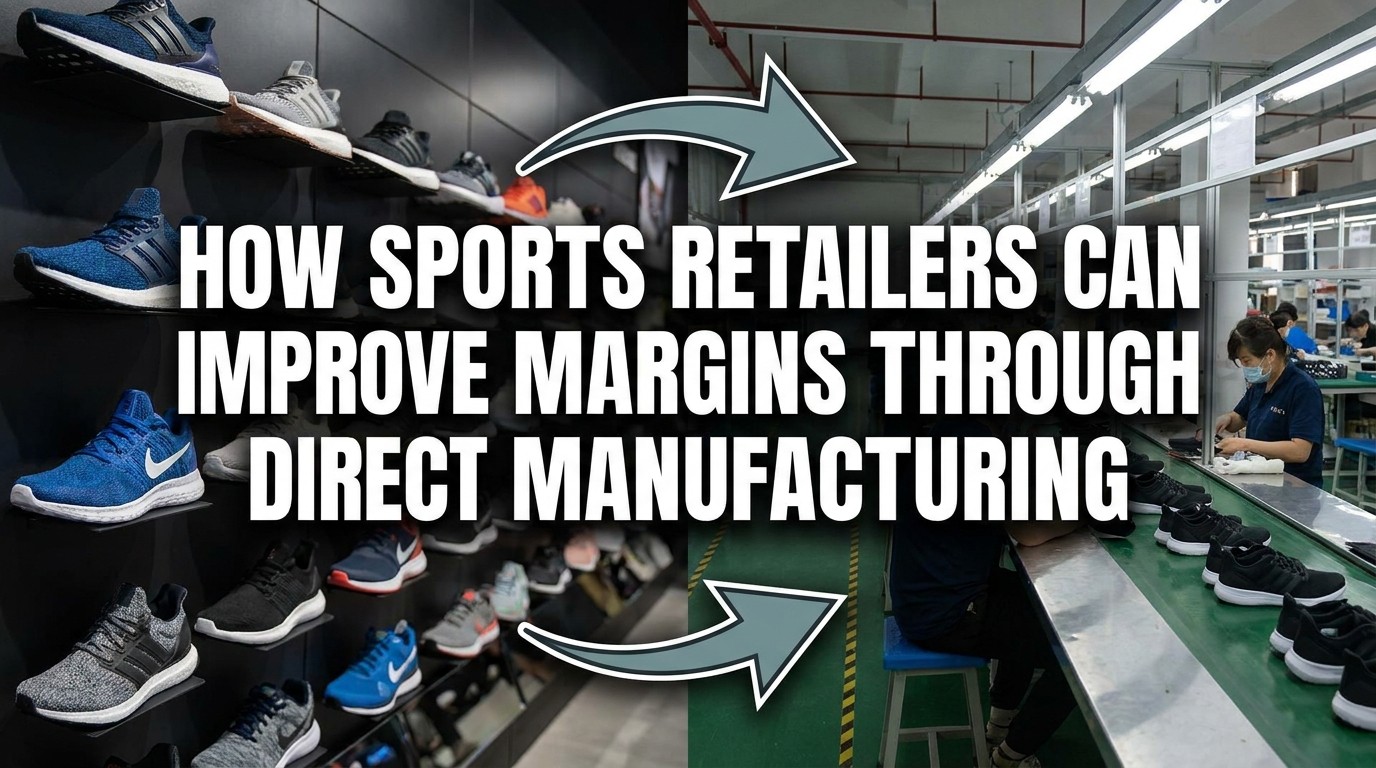
How Sports Retailers Can Improve Margins Through Direct Manufacturing
How Sports Retailers Can Improve Margins Through Direct Manufacturing
🔹 Many sports retailers lose profitability long before products even reach customers.
🔹 The reason is often hidden inside the sourcing structure itself.
Across the global sports industry, retailers are facing increasing pressure from:
Rising operational costs
Aggressive online competition
Shrinking retail margins
Inventory volatility
Changing consumer expectations
At the same time,
customers increasingly demand:
· Premium quality
· Customization
· Fast delivery
· Competitive pricing
· Unique products
This combination creates enormous operational pressure for sports retailers.
At Talha Khan OPS, we’ve observed a major shift happening globally:
many retailers are moving away from heavily intermediary-based sourcing models and toward:
direct manufacturing partnerships.
Because in modern retail,
operational efficiency increasingly determines profitability.
Operator Perspective:
Margin improvement often starts inside the supply chain, not inside the marketing department.
Why Traditional Retail Sourcing Is Becoming Less Efficient
Many sports retailers still source products through multiple layers:
· Distributors
· Importers
· Wholesalers
· Agents
· Trading companies
Each additional layer increases:
· Pricing markup
· Communication delays
· Operational complexity
· Customization limitations
The result?
Retailers often lose margin before products even enter inventory.
This becomes especially difficult in:
· Sportswear
· Football equipment
· Activewear
· Team merchandise
· Accessories
where competition is already intense.
Why Direct Manufacturing Partnerships Are Growing
Modern retailers increasingly want:
· Pricing control
· Branding flexibility
· Operational visibility
· Inventory coordination
· Customization capability
Direct manufacturing relationships improve:
· Margin efficiency
· Product differentiation
· Communication speed
· Production flexibility
· Fulfillment coordination
while reducing dependency on layered sourcing structures.
This shift is becoming especially important for:
· Soccer retailers
· Sports clubs
· Gym brands
· E-commerce businesses
· Private-label companies
looking to scale competitively.
The Rise of Private Label in Sports Retail
One of the biggest industry changes:
retailers increasingly want to build their own product identity.
Instead of only reselling global brands,
many businesses now launch:
· Custom football lines
· Private-label apparel
· Branded accessories
· Oem sports products
Why?
Because private-label products allow:
· Stronger margins
· Customer loyalty
· Pricing control
· Brand ownership
· Market differentiation
This trend is accelerating globally.
Operator Perspective:
Retailers increasingly want ownership of customer relationships, not dependency on external brands alone.
Why Operational Flexibility Matters in Modern Sports Retail
Retail itself is becoming more operationally demanding.
Modern consumers expect:
· Faster replenishment
· Inventory availability
· Customization
· Premium packaging
· Rapid fulfillment
This requires retailers to work with suppliers capable of:
· Flexible production
· Scalable fulfillment
· Lower MOQ adaptability
· Responsive communication
· Consistent quality control
Traditional rigid sourcing models struggle under these expectations.
Why Manufacturing Ecosystems Like Sialkot Matter
Manufacturing hubs like Sialkot continue playing a major role globally because they combine:
· Sports manufacturing specialization
· OEM capability
· Export readiness
· Customization expertise
· Operational scalability
with competitive manufacturing economics.
This allows retailers globally to source:
· Custom footballs
· Sportswear
· Gym apparel
· Training equipment
· Branded merchandise
through direct operational partnerships.
Brands like STRYK World reflect this evolving market direction by offering:
· OEM manufacturing
· Private labelling
· Custom football production
· Custom apparel manufacturing
· Export-ready operations
while maintaining affordable premium positioning for:
· Retailers
· Clubs
· Distributors
· Wholesalers
· D2c sports brands
globally.
The Hidden Operational Benefits of Direct Manufacturing
Beyond margins,
direct manufacturing relationships also improve:
· Inventory planning
· Forecasting visibility
· Customization coordination
· Product consistency
· Fulfillment stability
· Operational transparency
These advantages become increasingly important as:
· Customer acquisition costs rise
· Retail competition intensifies
· Fulfillment expectations increase
Operational alignment itself becomes a competitive advantage.
Mini Industry Observation, Retailers Are Becoming Brands
One major shift happening globally:
sports retailers increasingly operate like independent brands rather than simply resellers.
Modern retailers now focus heavily on:
· Private-label identity
· Exclusive products
· Customization
· Community positioning
· Direct customer engagement
This creates increasing demand for operationally agile manufacturing partners.
The future retailer becomes:
part merchant, part brand owner, part operational operator.
Industry Prediction for 2026–2032
Over the next decade,
sports retail will likely become:
· More direct-to-manufacturer
· More customization-driven
· More private-label focused
· More operationally integrated
We’ll likely see increasing demand for:
· OEM manufacturing
· Low MOQ production
· Branded merchandise
· Custom sports products
· Fulfillment coordination
· Direct sourcing partnerships
The retailers succeeding most will likely combine:
· Strong branding
· Operational discipline
· Direct manufacturing relationships
· Inventory visibility
· Scalable fulfillment
into fully integrated retail ecosystems.
Final Thought
The future of sports retail is no longer just about selling products.
It’s increasingly about:
· Operational control
· Brand ownership
· Customization
· Fulfillment reliability
· Manufacturing alignment
The retailers adapting early to this shift will likely gain significant competitive advantage over businesses still relying entirely on traditional sourcing models.
🔹 Strong margins are often built operationally before products ever reach customers.
🔹 Direct manufacturing is becoming a strategic retail advantage.
What do you think matters most for modern sports retailers today, pricing, branding, customization, or fulfillment reliability?
Let’s discuss below.
📩 Connect with us:
🌐 Talha Khan OPS
🌐 STRYK World
#SportsRetail #OEMManufacturing #PrivateLabel #SportsBusiness #Sportswear #BusinessOperations #RetailOperations #SupplyChain #FootballManufacturing #CustomApparel #SportsManufacturing #OperationalExcellence #WholesaleSports #DirectSourcing #BusinessGrowth #InventoryManagement #Fulfillment #Manufacturing #SoccerIndustry #OperationalLeadership #SportsBrands #Sialkot #ExportBusiness #RetailStrategy #STRYKWorld #TalhaKhanOPS #Customization #WholesaleOperations #BrandBuilding #FutureOfRetail
More to Discover


Insights
How Sports Retailers Can Improve Margins Through Direct Manufacturing
How Sports Retailers Can Improve Margins Through Direct Manufacturing
🔹 Many sports retailers lose profitability long before products even reach customers.
🔹 The reason is often hidden inside the sourcing structure itself.
Across the global sports industry, retailers are facing increasing pressure from:
Rising operational costs
Aggressive online competition
Shrinking retail margins
Inventory volatility
Changing consumer expectations
At the same time,
customers increasingly demand:
· Premium quality
· Customization
· Fast delivery
· Competitive pricing
· Unique products
This combination creates enormous operational pressure for sports retailers.
At Talha Khan OPS, we’ve observed a major shift happening globally:
many retailers are moving away from heavily intermediary-based sourcing models and toward:
direct manufacturing partnerships.
Because in modern retail,
operational efficiency increasingly determines profitability.
Operator Perspective:
Margin improvement often starts inside the supply chain, not inside the marketing department.
Why Traditional Retail Sourcing Is Becoming Less Efficient
Many sports retailers still source products through multiple layers:
· Distributors
· Importers
· Wholesalers
· Agents
· Trading companies
Each additional layer increases:
· Pricing markup
· Communication delays
· Operational complexity
· Customization limitations
The result?
Retailers often lose margin before products even enter inventory.
This becomes especially difficult in:
· Sportswear
· Football equipment
· Activewear
· Team merchandise
· Accessories
where competition is already intense.
Why Direct Manufacturing Partnerships Are Growing
Modern retailers increasingly want:
· Pricing control
· Branding flexibility
· Operational visibility
· Inventory coordination
· Customization capability
Direct manufacturing relationships improve:
· Margin efficiency
· Product differentiation
· Communication speed
· Production flexibility
· Fulfillment coordination
while reducing dependency on layered sourcing structures.
This shift is becoming especially important for:
· Soccer retailers
· Sports clubs
· Gym brands
· E-commerce businesses
· Private-label companies
looking to scale competitively.
The Rise of Private Label in Sports Retail
One of the biggest industry changes:
retailers increasingly want to build their own product identity.
Instead of only reselling global brands,
many businesses now launch:
· Custom football lines
· Private-label apparel
· Branded accessories
· Oem sports products
Why?
Because private-label products allow:
· Stronger margins
· Customer loyalty
· Pricing control
· Brand ownership
· Market differentiation
This trend is accelerating globally.
Operator Perspective:
Retailers increasingly want ownership of customer relationships, not dependency on external brands alone.
Why Operational Flexibility Matters in Modern Sports Retail
Retail itself is becoming more operationally demanding.
Modern consumers expect:
· Faster replenishment
· Inventory availability
· Customization
· Premium packaging
· Rapid fulfillment
This requires retailers to work with suppliers capable of:
· Flexible production
· Scalable fulfillment
· Lower MOQ adaptability
· Responsive communication
· Consistent quality control
Traditional rigid sourcing models struggle under these expectations.
Why Manufacturing Ecosystems Like Sialkot Matter
Manufacturing hubs like Sialkot continue playing a major role globally because they combine:
· Sports manufacturing specialization
· OEM capability
· Export readiness
· Customization expertise
· Operational scalability
with competitive manufacturing economics.
This allows retailers globally to source:
· Custom footballs
· Sportswear
· Gym apparel
· Training equipment
· Branded merchandise
through direct operational partnerships.
Brands like STRYK World reflect this evolving market direction by offering:
· OEM manufacturing
· Private labelling
· Custom football production
· Custom apparel manufacturing
· Export-ready operations
while maintaining affordable premium positioning for:
· Retailers
· Clubs
· Distributors
· Wholesalers
· D2c sports brands
globally.
The Hidden Operational Benefits of Direct Manufacturing
Beyond margins,
direct manufacturing relationships also improve:
· Inventory planning
· Forecasting visibility
· Customization coordination
· Product consistency
· Fulfillment stability
· Operational transparency
These advantages become increasingly important as:
· Customer acquisition costs rise
· Retail competition intensifies
· Fulfillment expectations increase
Operational alignment itself becomes a competitive advantage.
Mini Industry Observation, Retailers Are Becoming Brands
One major shift happening globally:
sports retailers increasingly operate like independent brands rather than simply resellers.
Modern retailers now focus heavily on:
· Private-label identity
· Exclusive products
· Customization
· Community positioning
· Direct customer engagement
This creates increasing demand for operationally agile manufacturing partners.
The future retailer becomes:
part merchant, part brand owner, part operational operator.
Industry Prediction for 2026–2032
Over the next decade,
sports retail will likely become:
· More direct-to-manufacturer
· More customization-driven
· More private-label focused
· More operationally integrated
We’ll likely see increasing demand for:
· OEM manufacturing
· Low MOQ production
· Branded merchandise
· Custom sports products
· Fulfillment coordination
· Direct sourcing partnerships
The retailers succeeding most will likely combine:
· Strong branding
· Operational discipline
· Direct manufacturing relationships
· Inventory visibility
· Scalable fulfillment
into fully integrated retail ecosystems.
Final Thought
The future of sports retail is no longer just about selling products.
It’s increasingly about:
· Operational control
· Brand ownership
· Customization
· Fulfillment reliability
· Manufacturing alignment
The retailers adapting early to this shift will likely gain significant competitive advantage over businesses still relying entirely on traditional sourcing models.
🔹 Strong margins are often built operationally before products ever reach customers.
🔹 Direct manufacturing is becoming a strategic retail advantage.
What do you think matters most for modern sports retailers today, pricing, branding, customization, or fulfillment reliability?
Let’s discuss below.
📩 Connect with us:
🌐 Talha Khan OPS
🌐 STRYK World
#SportsRetail #OEMManufacturing #PrivateLabel #SportsBusiness #Sportswear #BusinessOperations #RetailOperations #SupplyChain #FootballManufacturing #CustomApparel #SportsManufacturing #OperationalExcellence #WholesaleSports #DirectSourcing #BusinessGrowth #InventoryManagement #Fulfillment #Manufacturing #SoccerIndustry #OperationalLeadership #SportsBrands #Sialkot #ExportBusiness #RetailStrategy #STRYKWorld #TalhaKhanOPS #Customization #WholesaleOperations #BrandBuilding #FutureOfRetail
More to Discover
Insights
How Sports Retailers Can Improve Margins Through Direct Manufacturing
How Sports Retailers Can Improve Margins Through Direct Manufacturing
🔹 Many sports retailers lose profitability long before products even reach customers.
🔹 The reason is often hidden inside the sourcing structure itself.
Across the global sports industry, retailers are facing increasing pressure from:
Rising operational costs
Aggressive online competition
Shrinking retail margins
Inventory volatility
Changing consumer expectations
At the same time,
customers increasingly demand:
· Premium quality
· Customization
· Fast delivery
· Competitive pricing
· Unique products
This combination creates enormous operational pressure for sports retailers.
At Talha Khan OPS, we’ve observed a major shift happening globally:
many retailers are moving away from heavily intermediary-based sourcing models and toward:
direct manufacturing partnerships.
Because in modern retail,
operational efficiency increasingly determines profitability.
Operator Perspective:
Margin improvement often starts inside the supply chain, not inside the marketing department.
Why Traditional Retail Sourcing Is Becoming Less Efficient
Many sports retailers still source products through multiple layers:
· Distributors
· Importers
· Wholesalers
· Agents
· Trading companies
Each additional layer increases:
· Pricing markup
· Communication delays
· Operational complexity
· Customization limitations
The result?
Retailers often lose margin before products even enter inventory.
This becomes especially difficult in:
· Sportswear
· Football equipment
· Activewear
· Team merchandise
· Accessories
where competition is already intense.
Why Direct Manufacturing Partnerships Are Growing
Modern retailers increasingly want:
· Pricing control
· Branding flexibility
· Operational visibility
· Inventory coordination
· Customization capability
Direct manufacturing relationships improve:
· Margin efficiency
· Product differentiation
· Communication speed
· Production flexibility
· Fulfillment coordination
while reducing dependency on layered sourcing structures.
This shift is becoming especially important for:
· Soccer retailers
· Sports clubs
· Gym brands
· E-commerce businesses
· Private-label companies
looking to scale competitively.
The Rise of Private Label in Sports Retail
One of the biggest industry changes:
retailers increasingly want to build their own product identity.
Instead of only reselling global brands,
many businesses now launch:
· Custom football lines
· Private-label apparel
· Branded accessories
· Oem sports products
Why?
Because private-label products allow:
· Stronger margins
· Customer loyalty
· Pricing control
· Brand ownership
· Market differentiation
This trend is accelerating globally.
Operator Perspective:
Retailers increasingly want ownership of customer relationships, not dependency on external brands alone.
Why Operational Flexibility Matters in Modern Sports Retail
Retail itself is becoming more operationally demanding.
Modern consumers expect:
· Faster replenishment
· Inventory availability
· Customization
· Premium packaging
· Rapid fulfillment
This requires retailers to work with suppliers capable of:
· Flexible production
· Scalable fulfillment
· Lower MOQ adaptability
· Responsive communication
· Consistent quality control
Traditional rigid sourcing models struggle under these expectations.
Why Manufacturing Ecosystems Like Sialkot Matter
Manufacturing hubs like Sialkot continue playing a major role globally because they combine:
· Sports manufacturing specialization
· OEM capability
· Export readiness
· Customization expertise
· Operational scalability
with competitive manufacturing economics.
This allows retailers globally to source:
· Custom footballs
· Sportswear
· Gym apparel
· Training equipment
· Branded merchandise
through direct operational partnerships.
Brands like STRYK World reflect this evolving market direction by offering:
· OEM manufacturing
· Private labelling
· Custom football production
· Custom apparel manufacturing
· Export-ready operations
while maintaining affordable premium positioning for:
· Retailers
· Clubs
· Distributors
· Wholesalers
· D2c sports brands
globally.
The Hidden Operational Benefits of Direct Manufacturing
Beyond margins,
direct manufacturing relationships also improve:
· Inventory planning
· Forecasting visibility
· Customization coordination
· Product consistency
· Fulfillment stability
· Operational transparency
These advantages become increasingly important as:
· Customer acquisition costs rise
· Retail competition intensifies
· Fulfillment expectations increase
Operational alignment itself becomes a competitive advantage.
Mini Industry Observation, Retailers Are Becoming Brands
One major shift happening globally:
sports retailers increasingly operate like independent brands rather than simply resellers.
Modern retailers now focus heavily on:
· Private-label identity
· Exclusive products
· Customization
· Community positioning
· Direct customer engagement
This creates increasing demand for operationally agile manufacturing partners.
The future retailer becomes:
part merchant, part brand owner, part operational operator.
Industry Prediction for 2026–2032
Over the next decade,
sports retail will likely become:
· More direct-to-manufacturer
· More customization-driven
· More private-label focused
· More operationally integrated
We’ll likely see increasing demand for:
· OEM manufacturing
· Low MOQ production
· Branded merchandise
· Custom sports products
· Fulfillment coordination
· Direct sourcing partnerships
The retailers succeeding most will likely combine:
· Strong branding
· Operational discipline
· Direct manufacturing relationships
· Inventory visibility
· Scalable fulfillment
into fully integrated retail ecosystems.
Final Thought
The future of sports retail is no longer just about selling products.
It’s increasingly about:
· Operational control
· Brand ownership
· Customization
· Fulfillment reliability
· Manufacturing alignment
The retailers adapting early to this shift will likely gain significant competitive advantage over businesses still relying entirely on traditional sourcing models.
🔹 Strong margins are often built operationally before products ever reach customers.
🔹 Direct manufacturing is becoming a strategic retail advantage.
What do you think matters most for modern sports retailers today, pricing, branding, customization, or fulfillment reliability?
Let’s discuss below.
📩 Connect with us:
🌐 Talha Khan OPS
🌐 STRYK World
#SportsRetail #OEMManufacturing #PrivateLabel #SportsBusiness #Sportswear #BusinessOperations #RetailOperations #SupplyChain #FootballManufacturing #CustomApparel #SportsManufacturing #OperationalExcellence #WholesaleSports #DirectSourcing #BusinessGrowth #InventoryManagement #Fulfillment #Manufacturing #SoccerIndustry #OperationalLeadership #SportsBrands #Sialkot #ExportBusiness #RetailStrategy #STRYKWorld #TalhaKhanOPS #Customization #WholesaleOperations #BrandBuilding #FutureOfRetail