Insights
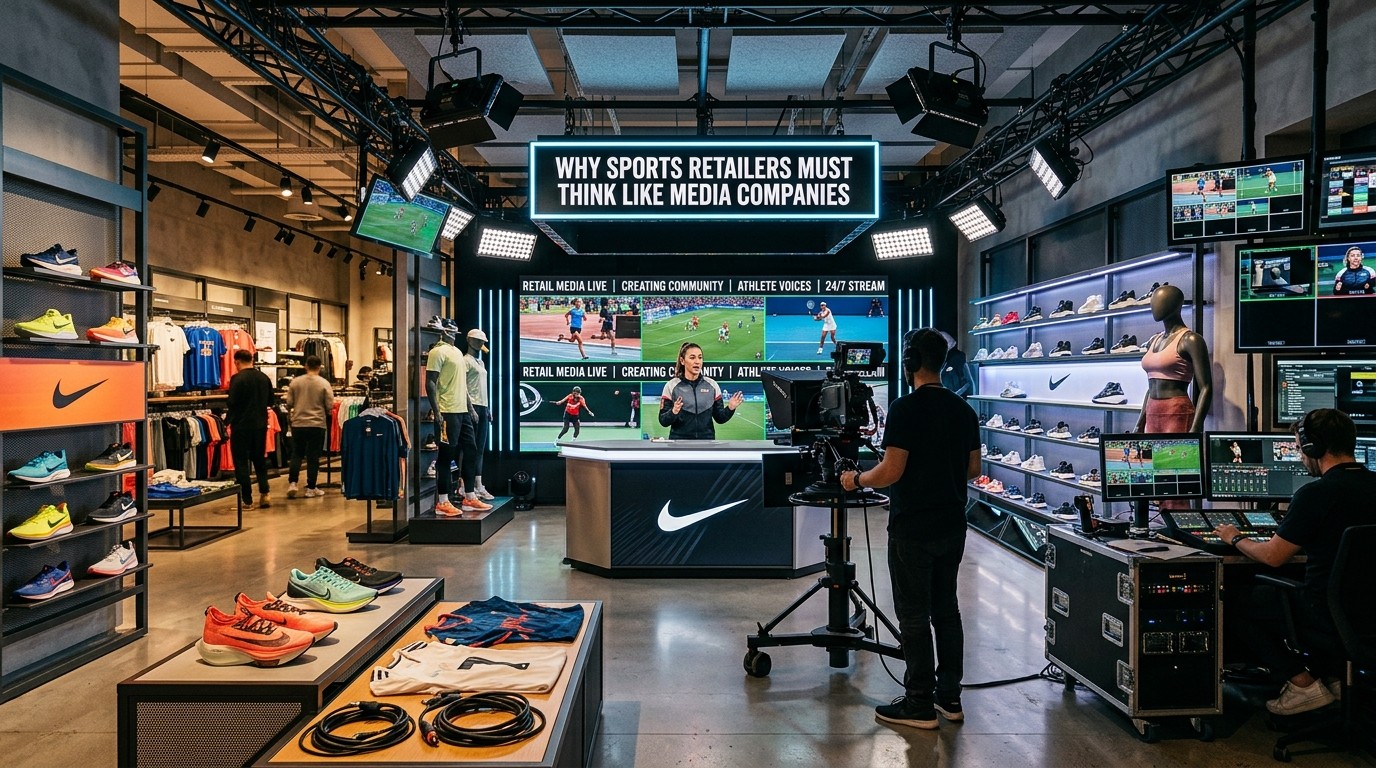
Why Sports Retailers Must Think Like Media Companies
v The modern sports industry is no longer driven only by products.
v Attention, storytelling, and audience engagement are becoming equally important.
For decades, sports retailers focused primarily on:
Inventory
Distribution
Product sourcing
Retail placement
Pricing
The traditional model was simple: stock products, place them in stores, and sell them.
But digital commerce changed the game completely.
Today, sports retailers increasingly compete through:
Content
Storytelling
Audience engagement
Identity
Community
Visibility
At Talha Khan OPS, we believe the future of sports retail belongs to businesses capable of operating simultaneously as: retailers + media brands + community ecosystems.
Because modern consumers increasingly buy from brands they:
Follow
Engage with
Relate to
Trust
Emotionally connect with
Operator Perspective:
Attention has become one of the most valuable assets in modern retail.
Why Traditional Retail Models Are Losing Influence
Historically,
retailers controlled:
Shelf space
Distribution
Customer access
But today,
customers increasingly discover products through:
Instagram
TikTok
YouTube
LinkedIn
Creators
Online communities
This means:
visibility is no longer controlled entirely by retail infrastructure.
Smaller sports brands can now build large audiences digitally without traditional retail dominance.
Why Content Became So Important
Modern consumers increasingly buy through:
· Storytelling
· Identity alignment
· Authenticity
· Educational value
· Community engagement
rather than pure product exposure alone.
This is especially true in:
Soccer culture
Gym communities
Activewear ecosystems
Grassroots sports
where emotional connection strongly influences purchasing behavior.
Operator Perspective:
Content builds familiarity long before customers become buyers.
The Biggest Mistakes Sports Retailers Make
1. Treating Content as Secondary
Many retailers still view content as:
Optional marketing
orOccasional social media activity.
But content increasingly influences:
Discoverability
Customer trust
Retention
Brand positioning
Businesses invisible digitally increasingly struggle commercially.
2. Focusing Only on Products
Modern consumers increasingly care about:
Why brands exist
Operational values
Product origins
Manufacturing quality
Identity alignment
Retailers focused only on:
Pricing
Transactions
Promotions
often struggle to create long-term customer loyalty.
3. Ignoring Community Building
Community-driven sports brands increasingly outperform purely transactional businesses.
Why?
Because communities improve:
· Engagement
· Retention
· Referrals
· Emotional loyalty
· Organic visibility
Community itself becomes a commercial advantage.
Why Sports Retail Is Naturally Media-Friendly
Sports culture already creates:
Emotion
Storytelling
Identity
Competition
Belonging
This creates endless opportunities for:
Behind-the-scenes content
Operational insights
Product education
Athlete stories
Manufacturing transparency
Club partnerships
Community engagement
Modern sports brands increasingly compete through:
attention ecosystems.
Why Operational Storytelling Matters
One major shift: customers increasingly care about:
Manufacturing origin
Operational quality
Fulfillment reliability
Craftsmanship
Customization capability
This is especially important in:
Football manufacturing
Sportswear
Oem production
Private labeling
where operational transparency improves trust.
Manufacturing ecosystems like Sialkot increasingly attract global attention because buyers value:
Sports manufacturing expertise
Craftsmanship heritage
Customization capability
Operational specialization
within sports production ecosystems.
Brands like STRYK World operate within this evolving environment by combining:
Affordable premium positioning
Custom football manufacturing
Oem flexibility
Operational responsiveness
Scalable fulfillment
while supporting:
Soccer clubs
Sports retailers
Distributors
Wholesalers
Private-label brands
globally.
Why Media Thinking Changes Retail Strategy
Retailers operating like media companies increasingly focus on:
· Audience growth
· Educational content
· Storytelling consistency
· Community engagement
· Operational transparency
· Identity positioning
rather than relying entirely on:
Product listings
Advertising spend
Transactional sales
Operator Perspective:
Modern retail increasingly depends on audience ownership, not just inventory ownership.
Mini Industry Observation, Attention Is Becoming Harder to Earn
One major trend globally:
customers are overwhelmed with:
Advertisements
Product options
Brand messaging
Businesses that:
Educate
Engage
Entertain
Provide insight
increasingly build stronger audience trust than brands focused only on selling.
Industry Prediction for 2026–2035
Over the next decade,
sports retailers will likely become:
More media-driven
More community-focused
More content-oriented
More identity-led
Businesses will increasingly invest in:
· Educational content
· Operational storytelling
· Community ecosystems
· Behind-the-scenes branding
· Direct audience engagement
· D2C media strategies
The strongest sports brands will likely combine:
operational execution + content ecosystems + community identity.
Final Thought
The future of sports retail is no longer just about:
Manufacturing products
orStocking inventory.
It’s increasingly about:
Building audiences
Creating trust
Educating communities
Telling operational stories
Creating emotional connection
The retailers adapting early to this shift will likely build stronger long-term brand ecosystems than businesses focused only on transactional commerce.
v Products create transactions.
v Media ecosystems create long-term attention and loyalty.
💬 What creates stronger sports brands today, product quality, storytelling, community, or operational transparency?
Let’s discuss below.
📩 Connect with us:
🌐 Talha Khan OPS
🌐 STRYK World
#SportsRetail #SportsBusiness #ContentMarketing #BrandBuilding #Sportswear #FootballManufacturing #OEMManufacturing #PrivateLabel #BusinessOperations #CommunityBuilding #SportsMarketing #OperationalExcellence #SportsManufacturing #D2C #OperationalLeadership #SportsBrands #Customization #RetailOperations #CustomerEngagement #BusinessGrowth #Sialkot #STRYKWorld #TalhaKhanOPS #FutureOfRetail #MediaStrategy #SportsIndustry #AudienceBuilding #BrandStrategy #CommunityDriven #DigitalCommerce
More to Discover
Insights
Why Sports Retailers Must Think Like Media Companies
v The modern sports industry is no longer driven only by products.
v Attention, storytelling, and audience engagement are becoming equally important.
For decades, sports retailers focused primarily on:
Inventory
Distribution
Product sourcing
Retail placement
Pricing
The traditional model was simple: stock products, place them in stores, and sell them.
But digital commerce changed the game completely.
Today, sports retailers increasingly compete through:
Content
Storytelling
Audience engagement
Identity
Community
Visibility
At Talha Khan OPS, we believe the future of sports retail belongs to businesses capable of operating simultaneously as: retailers + media brands + community ecosystems.
Because modern consumers increasingly buy from brands they:
Follow
Engage with
Relate to
Trust
Emotionally connect with
Operator Perspective:
Attention has become one of the most valuable assets in modern retail.
Why Traditional Retail Models Are Losing Influence
Historically,
retailers controlled:
Shelf space
Distribution
Customer access
But today,
customers increasingly discover products through:
Instagram
TikTok
YouTube
LinkedIn
Creators
Online communities
This means:
visibility is no longer controlled entirely by retail infrastructure.
Smaller sports brands can now build large audiences digitally without traditional retail dominance.
Why Content Became So Important
Modern consumers increasingly buy through:
· Storytelling
· Identity alignment
· Authenticity
· Educational value
· Community engagement
rather than pure product exposure alone.
This is especially true in:
Soccer culture
Gym communities
Activewear ecosystems
Grassroots sports
where emotional connection strongly influences purchasing behavior.
Operator Perspective:
Content builds familiarity long before customers become buyers.
The Biggest Mistakes Sports Retailers Make
1. Treating Content as Secondary
Many retailers still view content as:
Optional marketing
orOccasional social media activity.
But content increasingly influences:
Discoverability
Customer trust
Retention
Brand positioning
Businesses invisible digitally increasingly struggle commercially.
2. Focusing Only on Products
Modern consumers increasingly care about:
Why brands exist
Operational values
Product origins
Manufacturing quality
Identity alignment
Retailers focused only on:
Pricing
Transactions
Promotions
often struggle to create long-term customer loyalty.
3. Ignoring Community Building
Community-driven sports brands increasingly outperform purely transactional businesses.
Why?
Because communities improve:
· Engagement
· Retention
· Referrals
· Emotional loyalty
· Organic visibility
Community itself becomes a commercial advantage.
Why Sports Retail Is Naturally Media-Friendly
Sports culture already creates:
Emotion
Storytelling
Identity
Competition
Belonging
This creates endless opportunities for:
Behind-the-scenes content
Operational insights
Product education
Athlete stories
Manufacturing transparency
Club partnerships
Community engagement
Modern sports brands increasingly compete through:
attention ecosystems.
Why Operational Storytelling Matters
One major shift: customers increasingly care about:
Manufacturing origin
Operational quality
Fulfillment reliability
Craftsmanship
Customization capability
This is especially important in:
Football manufacturing
Sportswear
Oem production
Private labeling
where operational transparency improves trust.
Manufacturing ecosystems like Sialkot increasingly attract global attention because buyers value:
Sports manufacturing expertise
Craftsmanship heritage
Customization capability
Operational specialization
within sports production ecosystems.
Brands like STRYK World operate within this evolving environment by combining:
Affordable premium positioning
Custom football manufacturing
Oem flexibility
Operational responsiveness
Scalable fulfillment
while supporting:
Soccer clubs
Sports retailers
Distributors
Wholesalers
Private-label brands
globally.
Why Media Thinking Changes Retail Strategy
Retailers operating like media companies increasingly focus on:
· Audience growth
· Educational content
· Storytelling consistency
· Community engagement
· Operational transparency
· Identity positioning
rather than relying entirely on:
Product listings
Advertising spend
Transactional sales
Operator Perspective:
Modern retail increasingly depends on audience ownership, not just inventory ownership.
Mini Industry Observation, Attention Is Becoming Harder to Earn
One major trend globally:
customers are overwhelmed with:
Advertisements
Product options
Brand messaging
Businesses that:
Educate
Engage
Entertain
Provide insight
increasingly build stronger audience trust than brands focused only on selling.
Industry Prediction for 2026–2035
Over the next decade,
sports retailers will likely become:
More media-driven
More community-focused
More content-oriented
More identity-led
Businesses will increasingly invest in:
· Educational content
· Operational storytelling
· Community ecosystems
· Behind-the-scenes branding
· Direct audience engagement
· D2C media strategies
The strongest sports brands will likely combine:
operational execution + content ecosystems + community identity.
Final Thought
The future of sports retail is no longer just about:
Manufacturing products
orStocking inventory.
It’s increasingly about:
Building audiences
Creating trust
Educating communities
Telling operational stories
Creating emotional connection
The retailers adapting early to this shift will likely build stronger long-term brand ecosystems than businesses focused only on transactional commerce.
v Products create transactions.
v Media ecosystems create long-term attention and loyalty.
💬 What creates stronger sports brands today, product quality, storytelling, community, or operational transparency?
Let’s discuss below.
📩 Connect with us:
🌐 Talha Khan OPS
🌐 STRYK World
#SportsRetail #SportsBusiness #ContentMarketing #BrandBuilding #Sportswear #FootballManufacturing #OEMManufacturing #PrivateLabel #BusinessOperations #CommunityBuilding #SportsMarketing #OperationalExcellence #SportsManufacturing #D2C #OperationalLeadership #SportsBrands #Customization #RetailOperations #CustomerEngagement #BusinessGrowth #Sialkot #STRYKWorld #TalhaKhanOPS #FutureOfRetail #MediaStrategy #SportsIndustry #AudienceBuilding #BrandStrategy #CommunityDriven #DigitalCommerce
More to Discover
Insights
Why Sports Retailers Must Think Like Media Companies
v The modern sports industry is no longer driven only by products.
v Attention, storytelling, and audience engagement are becoming equally important.
For decades, sports retailers focused primarily on:
Inventory
Distribution
Product sourcing
Retail placement
Pricing
The traditional model was simple: stock products, place them in stores, and sell them.
But digital commerce changed the game completely.
Today, sports retailers increasingly compete through:
Content
Storytelling
Audience engagement
Identity
Community
Visibility
At Talha Khan OPS, we believe the future of sports retail belongs to businesses capable of operating simultaneously as: retailers + media brands + community ecosystems.
Because modern consumers increasingly buy from brands they:
Follow
Engage with
Relate to
Trust
Emotionally connect with
Operator Perspective:
Attention has become one of the most valuable assets in modern retail.
Why Traditional Retail Models Are Losing Influence
Historically,
retailers controlled:
Shelf space
Distribution
Customer access
But today,
customers increasingly discover products through:
Instagram
TikTok
YouTube
LinkedIn
Creators
Online communities
This means:
visibility is no longer controlled entirely by retail infrastructure.
Smaller sports brands can now build large audiences digitally without traditional retail dominance.
Why Content Became So Important
Modern consumers increasingly buy through:
· Storytelling
· Identity alignment
· Authenticity
· Educational value
· Community engagement
rather than pure product exposure alone.
This is especially true in:
Soccer culture
Gym communities
Activewear ecosystems
Grassroots sports
where emotional connection strongly influences purchasing behavior.
Operator Perspective:
Content builds familiarity long before customers become buyers.
The Biggest Mistakes Sports Retailers Make
1. Treating Content as Secondary
Many retailers still view content as:
Optional marketing
orOccasional social media activity.
But content increasingly influences:
Discoverability
Customer trust
Retention
Brand positioning
Businesses invisible digitally increasingly struggle commercially.
2. Focusing Only on Products
Modern consumers increasingly care about:
Why brands exist
Operational values
Product origins
Manufacturing quality
Identity alignment
Retailers focused only on:
Pricing
Transactions
Promotions
often struggle to create long-term customer loyalty.
3. Ignoring Community Building
Community-driven sports brands increasingly outperform purely transactional businesses.
Why?
Because communities improve:
· Engagement
· Retention
· Referrals
· Emotional loyalty
· Organic visibility
Community itself becomes a commercial advantage.
Why Sports Retail Is Naturally Media-Friendly
Sports culture already creates:
Emotion
Storytelling
Identity
Competition
Belonging
This creates endless opportunities for:
Behind-the-scenes content
Operational insights
Product education
Athlete stories
Manufacturing transparency
Club partnerships
Community engagement
Modern sports brands increasingly compete through:
attention ecosystems.
Why Operational Storytelling Matters
One major shift: customers increasingly care about:
Manufacturing origin
Operational quality
Fulfillment reliability
Craftsmanship
Customization capability
This is especially important in:
Football manufacturing
Sportswear
Oem production
Private labeling
where operational transparency improves trust.
Manufacturing ecosystems like Sialkot increasingly attract global attention because buyers value:
Sports manufacturing expertise
Craftsmanship heritage
Customization capability
Operational specialization
within sports production ecosystems.
Brands like STRYK World operate within this evolving environment by combining:
Affordable premium positioning
Custom football manufacturing
Oem flexibility
Operational responsiveness
Scalable fulfillment
while supporting:
Soccer clubs
Sports retailers
Distributors
Wholesalers
Private-label brands
globally.
Why Media Thinking Changes Retail Strategy
Retailers operating like media companies increasingly focus on:
· Audience growth
· Educational content
· Storytelling consistency
· Community engagement
· Operational transparency
· Identity positioning
rather than relying entirely on:
Product listings
Advertising spend
Transactional sales
Operator Perspective:
Modern retail increasingly depends on audience ownership, not just inventory ownership.
Mini Industry Observation, Attention Is Becoming Harder to Earn
One major trend globally:
customers are overwhelmed with:
Advertisements
Product options
Brand messaging
Businesses that:
Educate
Engage
Entertain
Provide insight
increasingly build stronger audience trust than brands focused only on selling.
Industry Prediction for 2026–2035
Over the next decade,
sports retailers will likely become:
More media-driven
More community-focused
More content-oriented
More identity-led
Businesses will increasingly invest in:
· Educational content
· Operational storytelling
· Community ecosystems
· Behind-the-scenes branding
· Direct audience engagement
· D2C media strategies
The strongest sports brands will likely combine:
operational execution + content ecosystems + community identity.
Final Thought
The future of sports retail is no longer just about:
Manufacturing products
orStocking inventory.
It’s increasingly about:
Building audiences
Creating trust
Educating communities
Telling operational stories
Creating emotional connection
The retailers adapting early to this shift will likely build stronger long-term brand ecosystems than businesses focused only on transactional commerce.
v Products create transactions.
v Media ecosystems create long-term attention and loyalty.
💬 What creates stronger sports brands today, product quality, storytelling, community, or operational transparency?
Let’s discuss below.
📩 Connect with us:
🌐 Talha Khan OPS
🌐 STRYK World
#SportsRetail #SportsBusiness #ContentMarketing #BrandBuilding #Sportswear #FootballManufacturing #OEMManufacturing #PrivateLabel #BusinessOperations #CommunityBuilding #SportsMarketing #OperationalExcellence #SportsManufacturing #D2C #OperationalLeadership #SportsBrands #Customization #RetailOperations #CustomerEngagement #BusinessGrowth #Sialkot #STRYKWorld #TalhaKhanOPS #FutureOfRetail #MediaStrategy #SportsIndustry #AudienceBuilding #BrandStrategy #CommunityDriven #DigitalCommerce