Insights
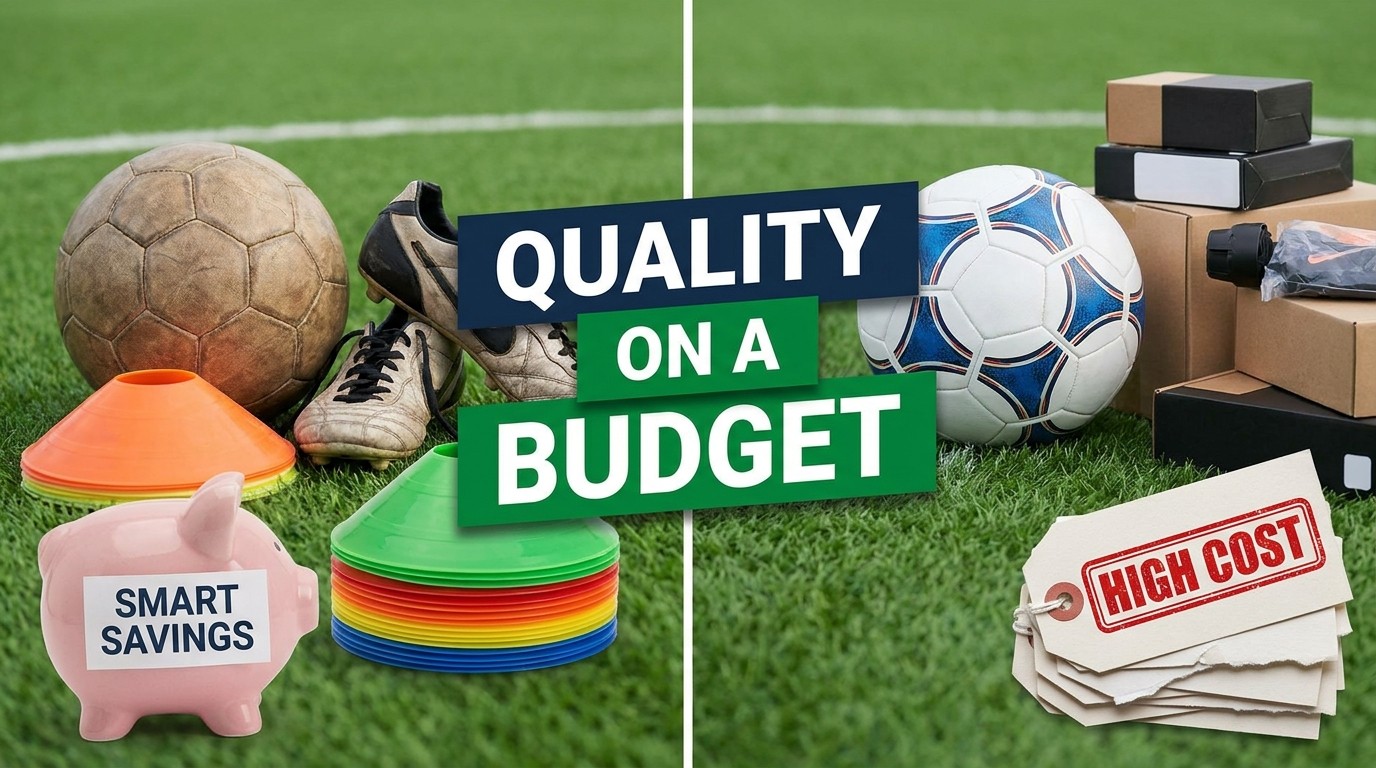
How Soccer Clubs Can Reduce Equipment Costs Without Sacrificing Quality
🔹 Most soccer clubs overspend on equipment for one simple reason.
🔹 They confuse brand recognition with operational value.
Across youth academies, semi-professional clubs, schools, training centers, and community football organizations, equipment costs continue rising every year.
Footballs.
Training gear.
Apparel.
Bibs.
Bags.
Accessories.
Custom kits.
The pressure adds up quickly, especially for organizations trying to balance:
Player development
Operational budgets
Sponsorship limitations
Seasonal demand
Equipment replacement cycles
But here’s the reality many club operators are beginning to realize:
Paying more does not always mean getting better operational value.
At Talha Khan OPS, we’ve seen clubs significantly improve procurement efficiency by changing how they approach sourcing, supplier relationships, and operational planning.
The smartest clubs today are no longer asking:
“What’s the biggest brand?”
They’re asking:
“What delivers reliable quality, scalability, customization, and long-term value?”
That mindset shift is changing the sports equipment industry globally.
Why Equipment Costs Are Increasing for Soccer Clubs
Several factors are driving procurement pressure:
Global shipping volatility
Inflation
Premium brand pricing
Seasonal inventory spikes
Import costs
Retail markups
Customization expenses
At the same time, clubs increasingly expect:
· Premium product quality
· Customization
· Durability
· Fast fulfillment
· Branded merchandise
· Lower minimum order flexibility
This combination makes procurement more operationally complex than ever.
Operator Perspective:
Most clubs don’t actually have a product problem. They have a sourcing strategy problem.
The Biggest Procurement Mistakes Soccer Clubs Make
1. Overpaying for Brand Names
Many clubs automatically default to globally recognized sports giants without evaluating:
· operational flexibility
· pricing efficiency
· customization capability
· supplier responsiveness
Large brands often provide:
· excellent marketing
· global visibility
· premium positioning
But smaller and mid-sized clubs frequently end up paying heavily for branding rather than actual operational value.
This is especially true for:
· training footballs
· practice apparel
· accessories
· teamwear
· wholesale kits
The smartest clubs increasingly balance:
· quality
· durability
· operational support
· supplier reliability
· procurement flexibility
instead of focusing only on logos.
2. Buying Through Too Many Intermediaries
One major hidden cost:
multiple middlemen.
Many clubs source products through:
· distributors
· resellers
· local retailers
· import agents
Every layer increases:
· markup costs
· communication delays
· customization limitations
This is why direct sourcing relationships are becoming increasingly attractive globally.
Modern clubs now explore:
· OEM manufacturing
· private-label partnerships
· factory-direct procurement
· customized production relationships
especially for recurring equipment needs.
3. Ignoring Product Lifecycle Costs
Cheap products sometimes become expensive operationally.
Low-quality footballs or apparel create:
· faster replacement cycles
· inconsistent performance
· player dissatisfaction
· long-term procurement inefficiency
Smart clubs evaluate:
· durability
· stitching quality
· material consistency
· long-term usage cost
not just upfront pricing.
Operator Perspective:
The cheapest equipment often creates the highest replacement cost.
4. Poor Forecasting & Seasonal Procurement
Many clubs buy reactively instead of strategically.
This creates:
· emergency purchases
· inflated shipping costs
· inventory shortages
· rushed customization timelines
Clubs that forecast properly often reduce costs through:
· Bulk planning
· Preseason forecasting
· Supplier coordination
· Long-term procurement cycles
Operational planning matters even in sports procurement.
Why Direct Manufacturing Partnerships Are Growing
One major shift happening globally:
clubs increasingly want closer supplier relationships.
Instead of relying entirely on retail channels,
many organizations now work directly with:
· OEM manufacturers
· private-label suppliers
· sports production partners
Why?
Because direct relationships offer:
· better pricing
· customization flexibility
· scalable production
· packaging options
· branding opportunities
· long-term operational consistency
This is especially valuable for:
· academies
· schools
· tournament organizers
· grassroots clubs
· distributors
· sports retailers
The Rise of Affordable Premium Sports Products
The market is changing rapidly.
There’s growing demand for:
affordable premium sports products.
Meaning:
clubs want:
· professional-level appearance
· strong durability
· customization
· operational reliability
without paying luxury-level pricing.
Brands like STRYK World are part of this evolving segment, combining:
· custom football manufacturing
· OEM production
· private labeling
· sportswear manufacturing
· export-ready operations
while maintaining affordable premium positioning for clubs, wholesalers, and sports organizations.
This balance is becoming increasingly attractive in:
USA
UK
Middle East
emerging soccer markets
where clubs want quality but still operate within budget realities.
Why Sourcing Strategy Matters More Than Ever
Modern sports procurement is becoming more strategic.
The strongest clubs increasingly evaluate:
o Supplier reliability
o Manufacturing capability
o Customization options
o Lead times
o Quality consistency
o Communication speed
o Operational flexibility
o Export readiness
because equipment delays now directly affect:
· Training schedules
· Tournaments
· Merchandising
· Player experience
· Club branding
Operational reliability matters.
Mini Industry Case Study
Many grassroots and mid-tier clubs globally are now shifting away from:
fully retail-based procurement models
toward:
hybrid sourcing partnerships.
Instead of buying everything seasonally through retail stores, they establish ongoing relationships with:
Manufacturers
Wholesale suppliers
OEM partners
This allows:
Better pricing stability
Recurring product consistency
Stronger branding
Scalable procurement
The clubs benefiting most are the ones thinking operationally, not transactionally.
Industry Prediction for 2026–2030
Over the next few years, soccer equipment procurement will likely become:
More customized
More direct-to-manufacturer
More operationally strategic
We’ll likely see increasing demand for:
Custom footballs
Private-label teamwear
Club-branded accessories
OEM partnerships
Direct sourcing relationships
At the same time, clubs will become more selective about:
Supplier reliability
Fulfillment consistency
Operational responsiveness
Manufacturing transparency
because equipment procurement is becoming part of club identity and operational performance.
Final Thought
The future of soccer procurement is not about buying the most expensive products.
It’s about building smarter sourcing relationships.
The clubs that manage equipment strategically will often outperform organizations spending far more inefficiently.
🔹 Strong clubs don’t just develop players well.
🔹 They operate intelligently behind the scenes too.
What matters most to your club today, pricing, durability, customization, or supplier reliability?
Let’s discuss below.
📩 Connect with us:
🌐 Talha Khan OPS
🌐 STRYK World
#SoccerClubs #FootballManufacturing #SportsEquipment #OEMManufacturing #PrivateLabel #SoccerIndustry #SportsBusiness #Footballs #CustomFootball #Sportswear #ClubOperations #SportsRetail #WholesaleSports #TrainingEquipment #GrassrootsFootball #AcademyFootball #SportsProcurement #OperationalExcellence #SupplyChain #RetailOperations #AffordablePremium #Sialkot #SportsManufacturing #BusinessOperations #STRYKWorld #TalhaKhanOPS #CustomSportswear #SportsBrands #EquipmentManagement #SoccerBusiness
More to Discover


Insights
How Soccer Clubs Can Reduce Equipment Costs Without Sacrificing Quality
🔹 Most soccer clubs overspend on equipment for one simple reason.
🔹 They confuse brand recognition with operational value.
Across youth academies, semi-professional clubs, schools, training centers, and community football organizations, equipment costs continue rising every year.
Footballs.
Training gear.
Apparel.
Bibs.
Bags.
Accessories.
Custom kits.
The pressure adds up quickly, especially for organizations trying to balance:
Player development
Operational budgets
Sponsorship limitations
Seasonal demand
Equipment replacement cycles
But here’s the reality many club operators are beginning to realize:
Paying more does not always mean getting better operational value.
At Talha Khan OPS, we’ve seen clubs significantly improve procurement efficiency by changing how they approach sourcing, supplier relationships, and operational planning.
The smartest clubs today are no longer asking:
“What’s the biggest brand?”
They’re asking:
“What delivers reliable quality, scalability, customization, and long-term value?”
That mindset shift is changing the sports equipment industry globally.
Why Equipment Costs Are Increasing for Soccer Clubs
Several factors are driving procurement pressure:
Global shipping volatility
Inflation
Premium brand pricing
Seasonal inventory spikes
Import costs
Retail markups
Customization expenses
At the same time, clubs increasingly expect:
· Premium product quality
· Customization
· Durability
· Fast fulfillment
· Branded merchandise
· Lower minimum order flexibility
This combination makes procurement more operationally complex than ever.
Operator Perspective:
Most clubs don’t actually have a product problem. They have a sourcing strategy problem.
The Biggest Procurement Mistakes Soccer Clubs Make
1. Overpaying for Brand Names
Many clubs automatically default to globally recognized sports giants without evaluating:
· operational flexibility
· pricing efficiency
· customization capability
· supplier responsiveness
Large brands often provide:
· excellent marketing
· global visibility
· premium positioning
But smaller and mid-sized clubs frequently end up paying heavily for branding rather than actual operational value.
This is especially true for:
· training footballs
· practice apparel
· accessories
· teamwear
· wholesale kits
The smartest clubs increasingly balance:
· quality
· durability
· operational support
· supplier reliability
· procurement flexibility
instead of focusing only on logos.
2. Buying Through Too Many Intermediaries
One major hidden cost:
multiple middlemen.
Many clubs source products through:
· distributors
· resellers
· local retailers
· import agents
Every layer increases:
· markup costs
· communication delays
· customization limitations
This is why direct sourcing relationships are becoming increasingly attractive globally.
Modern clubs now explore:
· OEM manufacturing
· private-label partnerships
· factory-direct procurement
· customized production relationships
especially for recurring equipment needs.
3. Ignoring Product Lifecycle Costs
Cheap products sometimes become expensive operationally.
Low-quality footballs or apparel create:
· faster replacement cycles
· inconsistent performance
· player dissatisfaction
· long-term procurement inefficiency
Smart clubs evaluate:
· durability
· stitching quality
· material consistency
· long-term usage cost
not just upfront pricing.
Operator Perspective:
The cheapest equipment often creates the highest replacement cost.
4. Poor Forecasting & Seasonal Procurement
Many clubs buy reactively instead of strategically.
This creates:
· emergency purchases
· inflated shipping costs
· inventory shortages
· rushed customization timelines
Clubs that forecast properly often reduce costs through:
· Bulk planning
· Preseason forecasting
· Supplier coordination
· Long-term procurement cycles
Operational planning matters even in sports procurement.
Why Direct Manufacturing Partnerships Are Growing
One major shift happening globally:
clubs increasingly want closer supplier relationships.
Instead of relying entirely on retail channels,
many organizations now work directly with:
· OEM manufacturers
· private-label suppliers
· sports production partners
Why?
Because direct relationships offer:
· better pricing
· customization flexibility
· scalable production
· packaging options
· branding opportunities
· long-term operational consistency
This is especially valuable for:
· academies
· schools
· tournament organizers
· grassroots clubs
· distributors
· sports retailers
The Rise of Affordable Premium Sports Products
The market is changing rapidly.
There’s growing demand for:
affordable premium sports products.
Meaning:
clubs want:
· professional-level appearance
· strong durability
· customization
· operational reliability
without paying luxury-level pricing.
Brands like STRYK World are part of this evolving segment, combining:
· custom football manufacturing
· OEM production
· private labeling
· sportswear manufacturing
· export-ready operations
while maintaining affordable premium positioning for clubs, wholesalers, and sports organizations.
This balance is becoming increasingly attractive in:
USA
UK
Middle East
emerging soccer markets
where clubs want quality but still operate within budget realities.
Why Sourcing Strategy Matters More Than Ever
Modern sports procurement is becoming more strategic.
The strongest clubs increasingly evaluate:
o Supplier reliability
o Manufacturing capability
o Customization options
o Lead times
o Quality consistency
o Communication speed
o Operational flexibility
o Export readiness
because equipment delays now directly affect:
· Training schedules
· Tournaments
· Merchandising
· Player experience
· Club branding
Operational reliability matters.
Mini Industry Case Study
Many grassroots and mid-tier clubs globally are now shifting away from:
fully retail-based procurement models
toward:
hybrid sourcing partnerships.
Instead of buying everything seasonally through retail stores, they establish ongoing relationships with:
Manufacturers
Wholesale suppliers
OEM partners
This allows:
Better pricing stability
Recurring product consistency
Stronger branding
Scalable procurement
The clubs benefiting most are the ones thinking operationally, not transactionally.
Industry Prediction for 2026–2030
Over the next few years, soccer equipment procurement will likely become:
More customized
More direct-to-manufacturer
More operationally strategic
We’ll likely see increasing demand for:
Custom footballs
Private-label teamwear
Club-branded accessories
OEM partnerships
Direct sourcing relationships
At the same time, clubs will become more selective about:
Supplier reliability
Fulfillment consistency
Operational responsiveness
Manufacturing transparency
because equipment procurement is becoming part of club identity and operational performance.
Final Thought
The future of soccer procurement is not about buying the most expensive products.
It’s about building smarter sourcing relationships.
The clubs that manage equipment strategically will often outperform organizations spending far more inefficiently.
🔹 Strong clubs don’t just develop players well.
🔹 They operate intelligently behind the scenes too.
What matters most to your club today, pricing, durability, customization, or supplier reliability?
Let’s discuss below.
📩 Connect with us:
🌐 Talha Khan OPS
🌐 STRYK World
#SoccerClubs #FootballManufacturing #SportsEquipment #OEMManufacturing #PrivateLabel #SoccerIndustry #SportsBusiness #Footballs #CustomFootball #Sportswear #ClubOperations #SportsRetail #WholesaleSports #TrainingEquipment #GrassrootsFootball #AcademyFootball #SportsProcurement #OperationalExcellence #SupplyChain #RetailOperations #AffordablePremium #Sialkot #SportsManufacturing #BusinessOperations #STRYKWorld #TalhaKhanOPS #CustomSportswear #SportsBrands #EquipmentManagement #SoccerBusiness
More to Discover
Insights
How Soccer Clubs Can Reduce Equipment Costs Without Sacrificing Quality
🔹 Most soccer clubs overspend on equipment for one simple reason.
🔹 They confuse brand recognition with operational value.
Across youth academies, semi-professional clubs, schools, training centers, and community football organizations, equipment costs continue rising every year.
Footballs.
Training gear.
Apparel.
Bibs.
Bags.
Accessories.
Custom kits.
The pressure adds up quickly, especially for organizations trying to balance:
Player development
Operational budgets
Sponsorship limitations
Seasonal demand
Equipment replacement cycles
But here’s the reality many club operators are beginning to realize:
Paying more does not always mean getting better operational value.
At Talha Khan OPS, we’ve seen clubs significantly improve procurement efficiency by changing how they approach sourcing, supplier relationships, and operational planning.
The smartest clubs today are no longer asking:
“What’s the biggest brand?”
They’re asking:
“What delivers reliable quality, scalability, customization, and long-term value?”
That mindset shift is changing the sports equipment industry globally.
Why Equipment Costs Are Increasing for Soccer Clubs
Several factors are driving procurement pressure:
Global shipping volatility
Inflation
Premium brand pricing
Seasonal inventory spikes
Import costs
Retail markups
Customization expenses
At the same time, clubs increasingly expect:
· Premium product quality
· Customization
· Durability
· Fast fulfillment
· Branded merchandise
· Lower minimum order flexibility
This combination makes procurement more operationally complex than ever.
Operator Perspective:
Most clubs don’t actually have a product problem. They have a sourcing strategy problem.
The Biggest Procurement Mistakes Soccer Clubs Make
1. Overpaying for Brand Names
Many clubs automatically default to globally recognized sports giants without evaluating:
· operational flexibility
· pricing efficiency
· customization capability
· supplier responsiveness
Large brands often provide:
· excellent marketing
· global visibility
· premium positioning
But smaller and mid-sized clubs frequently end up paying heavily for branding rather than actual operational value.
This is especially true for:
· training footballs
· practice apparel
· accessories
· teamwear
· wholesale kits
The smartest clubs increasingly balance:
· quality
· durability
· operational support
· supplier reliability
· procurement flexibility
instead of focusing only on logos.
2. Buying Through Too Many Intermediaries
One major hidden cost:
multiple middlemen.
Many clubs source products through:
· distributors
· resellers
· local retailers
· import agents
Every layer increases:
· markup costs
· communication delays
· customization limitations
This is why direct sourcing relationships are becoming increasingly attractive globally.
Modern clubs now explore:
· OEM manufacturing
· private-label partnerships
· factory-direct procurement
· customized production relationships
especially for recurring equipment needs.
3. Ignoring Product Lifecycle Costs
Cheap products sometimes become expensive operationally.
Low-quality footballs or apparel create:
· faster replacement cycles
· inconsistent performance
· player dissatisfaction
· long-term procurement inefficiency
Smart clubs evaluate:
· durability
· stitching quality
· material consistency
· long-term usage cost
not just upfront pricing.
Operator Perspective:
The cheapest equipment often creates the highest replacement cost.
4. Poor Forecasting & Seasonal Procurement
Many clubs buy reactively instead of strategically.
This creates:
· emergency purchases
· inflated shipping costs
· inventory shortages
· rushed customization timelines
Clubs that forecast properly often reduce costs through:
· Bulk planning
· Preseason forecasting
· Supplier coordination
· Long-term procurement cycles
Operational planning matters even in sports procurement.
Why Direct Manufacturing Partnerships Are Growing
One major shift happening globally:
clubs increasingly want closer supplier relationships.
Instead of relying entirely on retail channels,
many organizations now work directly with:
· OEM manufacturers
· private-label suppliers
· sports production partners
Why?
Because direct relationships offer:
· better pricing
· customization flexibility
· scalable production
· packaging options
· branding opportunities
· long-term operational consistency
This is especially valuable for:
· academies
· schools
· tournament organizers
· grassroots clubs
· distributors
· sports retailers
The Rise of Affordable Premium Sports Products
The market is changing rapidly.
There’s growing demand for:
affordable premium sports products.
Meaning:
clubs want:
· professional-level appearance
· strong durability
· customization
· operational reliability
without paying luxury-level pricing.
Brands like STRYK World are part of this evolving segment, combining:
· custom football manufacturing
· OEM production
· private labeling
· sportswear manufacturing
· export-ready operations
while maintaining affordable premium positioning for clubs, wholesalers, and sports organizations.
This balance is becoming increasingly attractive in:
USA
UK
Middle East
emerging soccer markets
where clubs want quality but still operate within budget realities.
Why Sourcing Strategy Matters More Than Ever
Modern sports procurement is becoming more strategic.
The strongest clubs increasingly evaluate:
o Supplier reliability
o Manufacturing capability
o Customization options
o Lead times
o Quality consistency
o Communication speed
o Operational flexibility
o Export readiness
because equipment delays now directly affect:
· Training schedules
· Tournaments
· Merchandising
· Player experience
· Club branding
Operational reliability matters.
Mini Industry Case Study
Many grassroots and mid-tier clubs globally are now shifting away from:
fully retail-based procurement models
toward:
hybrid sourcing partnerships.
Instead of buying everything seasonally through retail stores, they establish ongoing relationships with:
Manufacturers
Wholesale suppliers
OEM partners
This allows:
Better pricing stability
Recurring product consistency
Stronger branding
Scalable procurement
The clubs benefiting most are the ones thinking operationally, not transactionally.
Industry Prediction for 2026–2030
Over the next few years, soccer equipment procurement will likely become:
More customized
More direct-to-manufacturer
More operationally strategic
We’ll likely see increasing demand for:
Custom footballs
Private-label teamwear
Club-branded accessories
OEM partnerships
Direct sourcing relationships
At the same time, clubs will become more selective about:
Supplier reliability
Fulfillment consistency
Operational responsiveness
Manufacturing transparency
because equipment procurement is becoming part of club identity and operational performance.
Final Thought
The future of soccer procurement is not about buying the most expensive products.
It’s about building smarter sourcing relationships.
The clubs that manage equipment strategically will often outperform organizations spending far more inefficiently.
🔹 Strong clubs don’t just develop players well.
🔹 They operate intelligently behind the scenes too.
What matters most to your club today, pricing, durability, customization, or supplier reliability?
Let’s discuss below.
📩 Connect with us:
🌐 Talha Khan OPS
🌐 STRYK World
#SoccerClubs #FootballManufacturing #SportsEquipment #OEMManufacturing #PrivateLabel #SoccerIndustry #SportsBusiness #Footballs #CustomFootball #Sportswear #ClubOperations #SportsRetail #WholesaleSports #TrainingEquipment #GrassrootsFootball #AcademyFootball #SportsProcurement #OperationalExcellence #SupplyChain #RetailOperations #AffordablePremium #Sialkot #SportsManufacturing #BusinessOperations #STRYKWorld #TalhaKhanOPS #CustomSportswear #SportsBrands #EquipmentManagement #SoccerBusiness