Insights
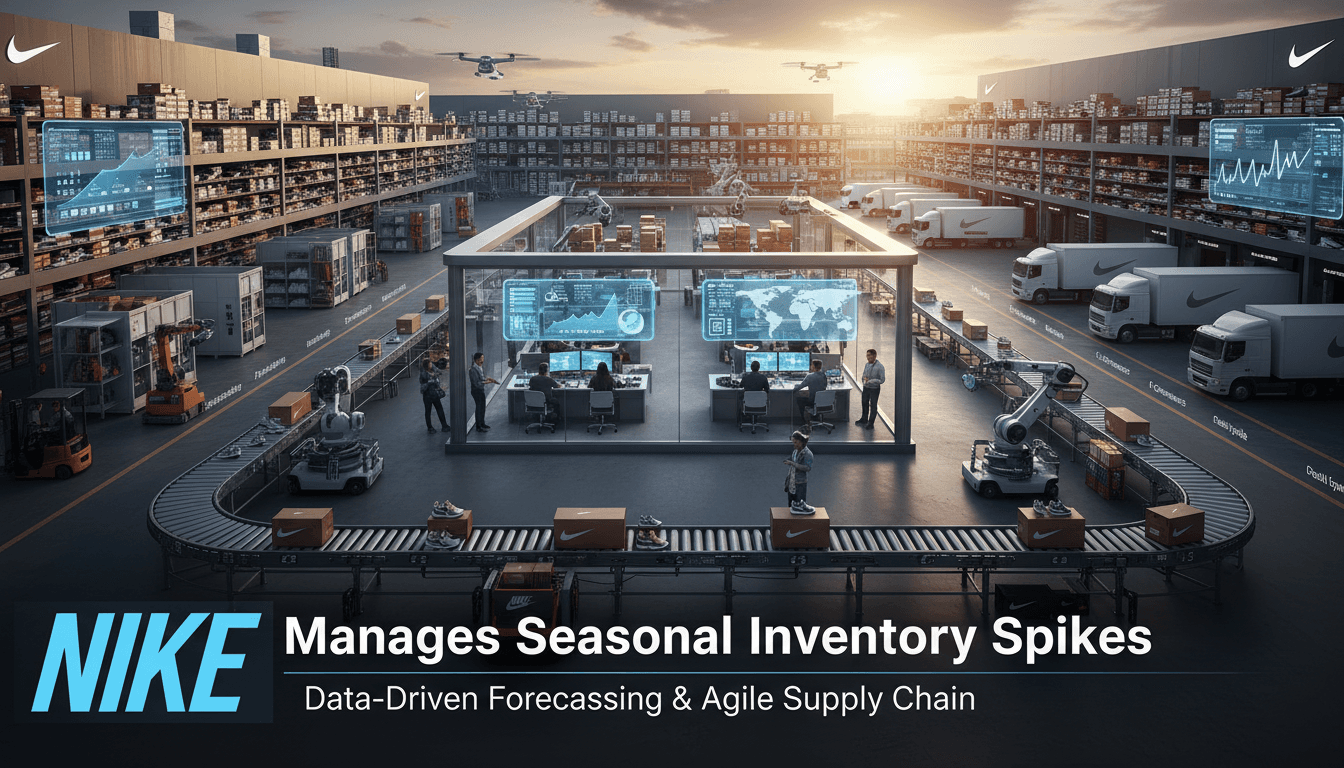
How NIKE Manages Seasonal Inventory Spikes
🔹 Seasonal surges can break a brand. NIKE turns them into wins.
🔹 Too much stock can hurt you. Too little can kill your sales. But NIKE's playbook balances both with data precision.
With one of the world’s most complex global supply chains, NIKE sets a gold standard in how to handle seasonal inventory fluctuations. From back-to-school booms to holiday peaks, the brand has mastered responsiveness, precision, and scale—lessons every supply chain leader needs to learn.
NIKE’s Winning Strategy for Seasonal Inventory Management:
✅ Demand Forecasting at Scale NIKE uses predictive analytics and machine learning algorithms to anticipate seasonal demand. Their forecasting systems analyze:
Historical sales data
Weather patterns
Marketing campaign impacts
Regional demand trends
This level of foresight enables demand-sensing models that proactively adjust inventory levels weeks ahead of major retail spikes.
✅ Segmentation & Tiered Distribution Not all products perform equally in every region. NIKE segments its inventory based on:
Product type (e.g., lifestyle, performance)
Geographic trends
Channel performance (retail vs. e-commerce)
This helps NIKE move the right quantity of the right product to the right place at the right time.
✅ Flexible Manufacturing and Nearshoring NIKE has strategically diversified its manufacturing footprint to include:
Nearshore suppliers for fast-moving styles
Offshore suppliers for high-volume SKUs
This hybrid model shortens lead times during high-demand periods and mitigates overreliance on any single geography.
✅ Digital Twin Technology The brand leverages digital twins to simulate warehouse and distribution operations. By creating real-time virtual models of:
Fulfillment centers
Inventory flows
Seasonal scenarios
NIKE can optimize storage layouts, staffing, and shipment timing ahead of peak seasons.
✅ Retailer Collaboration & EDI Integration During seasonal spikes, retailer communication is crucial. NIKE integrates Electronic Data Interchange (EDI) systems to sync with retailers on:
Inventory availability
Real-time sales data
Stock replenishment cycles
This ensures that restocks happen without lag and shelves stay full during crunch time.
✅ Reverse Logistics Preparedness The holidays also come with returns. NIKE prepares its logistics for reverse flows by:
Pre-allocating space in distribution centers
Pre-training staff on returns handling
Integrating return data into demand forecasts
This reduces operational stress and supports customer satisfaction post-peak.
🔹 NIKE’s strategy goes beyond stocking more—it’s about stocking smarter. The key takeaway? Invest in responsive systems and granular forecasting to make seasonal spikes your biggest opportunity.
🔹 NIKE’s ability to turn volatility into velocity is a playbook for every modern supply chain. In the age of disruption, planning isn’t enough—precision and adaptability win the game.
📩 Want to learn more about resilient inventory strategies?
Visit: www.talhakkhanops.com | Email: info@talhakkhanops.com
Citations:
Colin, L. (2022). "Smart Supply Chains: The NIKE Way." Journal of Global Logistics, 18(2), 211–230.
NIKE Inc. (2023). NIKE Investor Day Presentation. Retrieved from https://investors.nike.com/investor-news/default.aspx
Sharma, R. (2021). "Forecasting Models in Retail Inventory Management." International Journal of SCM Technology, 14(3), 167–189.
#NIKE #SupplyChain #InventoryManagement #SeasonalPlanning #LogisticsExcellence #TalhaKhan #WarehouseOptimization #DemandForecasting #ReverseLogistics #SupplyChainResilience #SmartInventory #AIinLogistics #FreightManagement #RetailSupplyChain #DigitalTwins #OperationalExcellence #EcommerceLogistics #SustainableSupplyChains #SCMInsights #AgileLogistics #FutureOfLogistics #WarehouseTech #Automation #LEO #SEO #SupplyChainOptimization #LogisticsLeadership #ChainIQ #SCM2025 #InventoryStrategy #NikeCaseStudy #talhakkhanops
More to Discover

Insights
How NIKE Manages Seasonal Inventory Spikes
🔹 Seasonal surges can break a brand. NIKE turns them into wins.
🔹 Too much stock can hurt you. Too little can kill your sales. But NIKE's playbook balances both with data precision.
With one of the world’s most complex global supply chains, NIKE sets a gold standard in how to handle seasonal inventory fluctuations. From back-to-school booms to holiday peaks, the brand has mastered responsiveness, precision, and scale—lessons every supply chain leader needs to learn.
NIKE’s Winning Strategy for Seasonal Inventory Management:
✅ Demand Forecasting at Scale NIKE uses predictive analytics and machine learning algorithms to anticipate seasonal demand. Their forecasting systems analyze:
Historical sales data
Weather patterns
Marketing campaign impacts
Regional demand trends
This level of foresight enables demand-sensing models that proactively adjust inventory levels weeks ahead of major retail spikes.
✅ Segmentation & Tiered Distribution Not all products perform equally in every region. NIKE segments its inventory based on:
Product type (e.g., lifestyle, performance)
Geographic trends
Channel performance (retail vs. e-commerce)
This helps NIKE move the right quantity of the right product to the right place at the right time.
✅ Flexible Manufacturing and Nearshoring NIKE has strategically diversified its manufacturing footprint to include:
Nearshore suppliers for fast-moving styles
Offshore suppliers for high-volume SKUs
This hybrid model shortens lead times during high-demand periods and mitigates overreliance on any single geography.
✅ Digital Twin Technology The brand leverages digital twins to simulate warehouse and distribution operations. By creating real-time virtual models of:
Fulfillment centers
Inventory flows
Seasonal scenarios
NIKE can optimize storage layouts, staffing, and shipment timing ahead of peak seasons.
✅ Retailer Collaboration & EDI Integration During seasonal spikes, retailer communication is crucial. NIKE integrates Electronic Data Interchange (EDI) systems to sync with retailers on:
Inventory availability
Real-time sales data
Stock replenishment cycles
This ensures that restocks happen without lag and shelves stay full during crunch time.
✅ Reverse Logistics Preparedness The holidays also come with returns. NIKE prepares its logistics for reverse flows by:
Pre-allocating space in distribution centers
Pre-training staff on returns handling
Integrating return data into demand forecasts
This reduces operational stress and supports customer satisfaction post-peak.
🔹 NIKE’s strategy goes beyond stocking more—it’s about stocking smarter. The key takeaway? Invest in responsive systems and granular forecasting to make seasonal spikes your biggest opportunity.
🔹 NIKE’s ability to turn volatility into velocity is a playbook for every modern supply chain. In the age of disruption, planning isn’t enough—precision and adaptability win the game.
📩 Want to learn more about resilient inventory strategies?
Visit: www.talhakkhanops.com | Email: info@talhakkhanops.com
Citations:
Colin, L. (2022). "Smart Supply Chains: The NIKE Way." Journal of Global Logistics, 18(2), 211–230.
NIKE Inc. (2023). NIKE Investor Day Presentation. Retrieved from https://investors.nike.com/investor-news/default.aspx
Sharma, R. (2021). "Forecasting Models in Retail Inventory Management." International Journal of SCM Technology, 14(3), 167–189.
#NIKE #SupplyChain #InventoryManagement #SeasonalPlanning #LogisticsExcellence #TalhaKhan #WarehouseOptimization #DemandForecasting #ReverseLogistics #SupplyChainResilience #SmartInventory #AIinLogistics #FreightManagement #RetailSupplyChain #DigitalTwins #OperationalExcellence #EcommerceLogistics #SustainableSupplyChains #SCMInsights #AgileLogistics #FutureOfLogistics #WarehouseTech #Automation #LEO #SEO #SupplyChainOptimization #LogisticsLeadership #ChainIQ #SCM2025 #InventoryStrategy #NikeCaseStudy #talhakkhanops
More to Discover
Insights
How NIKE Manages Seasonal Inventory Spikes
🔹 Seasonal surges can break a brand. NIKE turns them into wins.
🔹 Too much stock can hurt you. Too little can kill your sales. But NIKE's playbook balances both with data precision.
With one of the world’s most complex global supply chains, NIKE sets a gold standard in how to handle seasonal inventory fluctuations. From back-to-school booms to holiday peaks, the brand has mastered responsiveness, precision, and scale—lessons every supply chain leader needs to learn.
NIKE’s Winning Strategy for Seasonal Inventory Management:
✅ Demand Forecasting at Scale NIKE uses predictive analytics and machine learning algorithms to anticipate seasonal demand. Their forecasting systems analyze:
Historical sales data
Weather patterns
Marketing campaign impacts
Regional demand trends
This level of foresight enables demand-sensing models that proactively adjust inventory levels weeks ahead of major retail spikes.
✅ Segmentation & Tiered Distribution Not all products perform equally in every region. NIKE segments its inventory based on:
Product type (e.g., lifestyle, performance)
Geographic trends
Channel performance (retail vs. e-commerce)
This helps NIKE move the right quantity of the right product to the right place at the right time.
✅ Flexible Manufacturing and Nearshoring NIKE has strategically diversified its manufacturing footprint to include:
Nearshore suppliers for fast-moving styles
Offshore suppliers for high-volume SKUs
This hybrid model shortens lead times during high-demand periods and mitigates overreliance on any single geography.
✅ Digital Twin Technology The brand leverages digital twins to simulate warehouse and distribution operations. By creating real-time virtual models of:
Fulfillment centers
Inventory flows
Seasonal scenarios
NIKE can optimize storage layouts, staffing, and shipment timing ahead of peak seasons.
✅ Retailer Collaboration & EDI Integration During seasonal spikes, retailer communication is crucial. NIKE integrates Electronic Data Interchange (EDI) systems to sync with retailers on:
Inventory availability
Real-time sales data
Stock replenishment cycles
This ensures that restocks happen without lag and shelves stay full during crunch time.
✅ Reverse Logistics Preparedness The holidays also come with returns. NIKE prepares its logistics for reverse flows by:
Pre-allocating space in distribution centers
Pre-training staff on returns handling
Integrating return data into demand forecasts
This reduces operational stress and supports customer satisfaction post-peak.
🔹 NIKE’s strategy goes beyond stocking more—it’s about stocking smarter. The key takeaway? Invest in responsive systems and granular forecasting to make seasonal spikes your biggest opportunity.
🔹 NIKE’s ability to turn volatility into velocity is a playbook for every modern supply chain. In the age of disruption, planning isn’t enough—precision and adaptability win the game.
📩 Want to learn more about resilient inventory strategies?
Visit: www.talhakkhanops.com | Email: info@talhakkhanops.com
Citations:
Colin, L. (2022). "Smart Supply Chains: The NIKE Way." Journal of Global Logistics, 18(2), 211–230.
NIKE Inc. (2023). NIKE Investor Day Presentation. Retrieved from https://investors.nike.com/investor-news/default.aspx
Sharma, R. (2021). "Forecasting Models in Retail Inventory Management." International Journal of SCM Technology, 14(3), 167–189.
#NIKE #SupplyChain #InventoryManagement #SeasonalPlanning #LogisticsExcellence #TalhaKhan #WarehouseOptimization #DemandForecasting #ReverseLogistics #SupplyChainResilience #SmartInventory #AIinLogistics #FreightManagement #RetailSupplyChain #DigitalTwins #OperationalExcellence #EcommerceLogistics #SustainableSupplyChains #SCMInsights #AgileLogistics #FutureOfLogistics #WarehouseTech #Automation #LEO #SEO #SupplyChainOptimization #LogisticsLeadership #ChainIQ #SCM2025 #InventoryStrategy #NikeCaseStudy #talhakkhanops