Insights
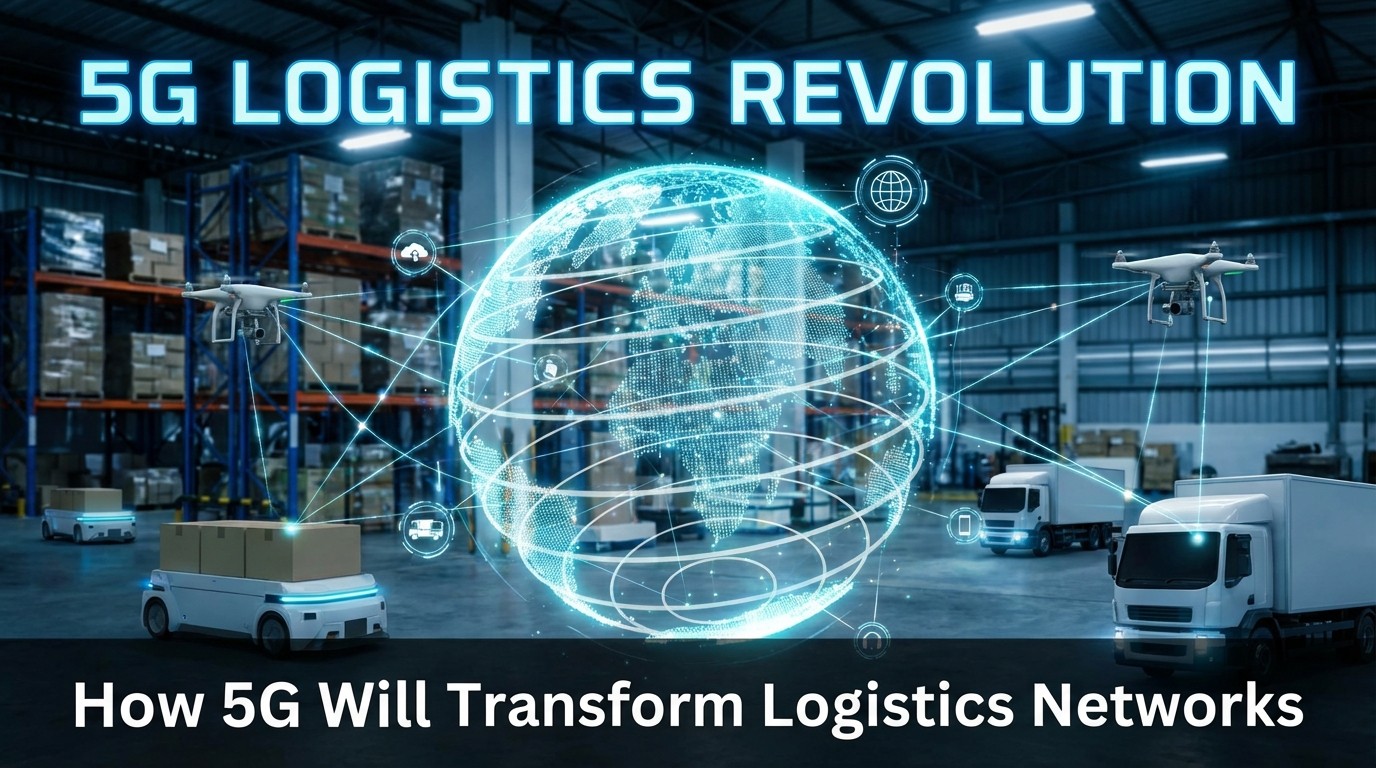
How 5G Will Transform Logistics Networks
Introduction
Connectivity underpins modern logistics operations. As 5G networks become more widely available, logistics providers and supply chain operators are positioned to unlock new levels of operational intelligence, responsiveness, and automation. 5G’s low latency and high bandwidth offer capabilities that extend far beyond incremental performance improvements.
Limitations of Current Connectivity Models
Existing network infrastructures often constrain:
Real-time data transmission across mobile assets
High-density sensor networks
Edge computing integration
Autonomous vehicle coordination
High-resolution video monitoring
These limitations restrict the scalability of advanced digital logistics solutions.
Transformational Use Cases
5G enables several advanced logistics applications:
Real-time tracking of mobile assets and fleets
Autonomous and semi-autonomous vehicle coordination
High-density IoT sensor deployments
Augmented reality tools for warehouse operations
Enhanced edge computing for on-site decision-making
Strategic Implications
Organizations adopting 5G-enabled logistics capabilities can expect:
Faster decision cycles
Improved operational safety
Higher asset utilization
More resilient communication networks
Greater readiness for autonomous logistics technologies
Conclusion
5G represents a foundational enabler for next-generation logistics networks. Organizations that align 5G adoption with broader digital transformation strategies will be better positioned to capitalize on emerging automation and analytics capabilities.
#5G #LogisticsInnovation #ConnectedSupplyChain #DigitalLogistics #FutureOfLogistics #TechnologyTrends
More to Discover


Insights
How 5G Will Transform Logistics Networks
Introduction
Connectivity underpins modern logistics operations. As 5G networks become more widely available, logistics providers and supply chain operators are positioned to unlock new levels of operational intelligence, responsiveness, and automation. 5G’s low latency and high bandwidth offer capabilities that extend far beyond incremental performance improvements.
Limitations of Current Connectivity Models
Existing network infrastructures often constrain:
Real-time data transmission across mobile assets
High-density sensor networks
Edge computing integration
Autonomous vehicle coordination
High-resolution video monitoring
These limitations restrict the scalability of advanced digital logistics solutions.
Transformational Use Cases
5G enables several advanced logistics applications:
Real-time tracking of mobile assets and fleets
Autonomous and semi-autonomous vehicle coordination
High-density IoT sensor deployments
Augmented reality tools for warehouse operations
Enhanced edge computing for on-site decision-making
Strategic Implications
Organizations adopting 5G-enabled logistics capabilities can expect:
Faster decision cycles
Improved operational safety
Higher asset utilization
More resilient communication networks
Greater readiness for autonomous logistics technologies
Conclusion
5G represents a foundational enabler for next-generation logistics networks. Organizations that align 5G adoption with broader digital transformation strategies will be better positioned to capitalize on emerging automation and analytics capabilities.
#5G #LogisticsInnovation #ConnectedSupplyChain #DigitalLogistics #FutureOfLogistics #TechnologyTrends
More to Discover
Insights
How 5G Will Transform Logistics Networks
Introduction
Connectivity underpins modern logistics operations. As 5G networks become more widely available, logistics providers and supply chain operators are positioned to unlock new levels of operational intelligence, responsiveness, and automation. 5G’s low latency and high bandwidth offer capabilities that extend far beyond incremental performance improvements.
Limitations of Current Connectivity Models
Existing network infrastructures often constrain:
Real-time data transmission across mobile assets
High-density sensor networks
Edge computing integration
Autonomous vehicle coordination
High-resolution video monitoring
These limitations restrict the scalability of advanced digital logistics solutions.
Transformational Use Cases
5G enables several advanced logistics applications:
Real-time tracking of mobile assets and fleets
Autonomous and semi-autonomous vehicle coordination
High-density IoT sensor deployments
Augmented reality tools for warehouse operations
Enhanced edge computing for on-site decision-making
Strategic Implications
Organizations adopting 5G-enabled logistics capabilities can expect:
Faster decision cycles
Improved operational safety
Higher asset utilization
More resilient communication networks
Greater readiness for autonomous logistics technologies
Conclusion
5G represents a foundational enabler for next-generation logistics networks. Organizations that align 5G adoption with broader digital transformation strategies will be better positioned to capitalize on emerging automation and analytics capabilities.
#5G #LogisticsInnovation #ConnectedSupplyChain #DigitalLogistics #FutureOfLogistics #TechnologyTrends