Insights
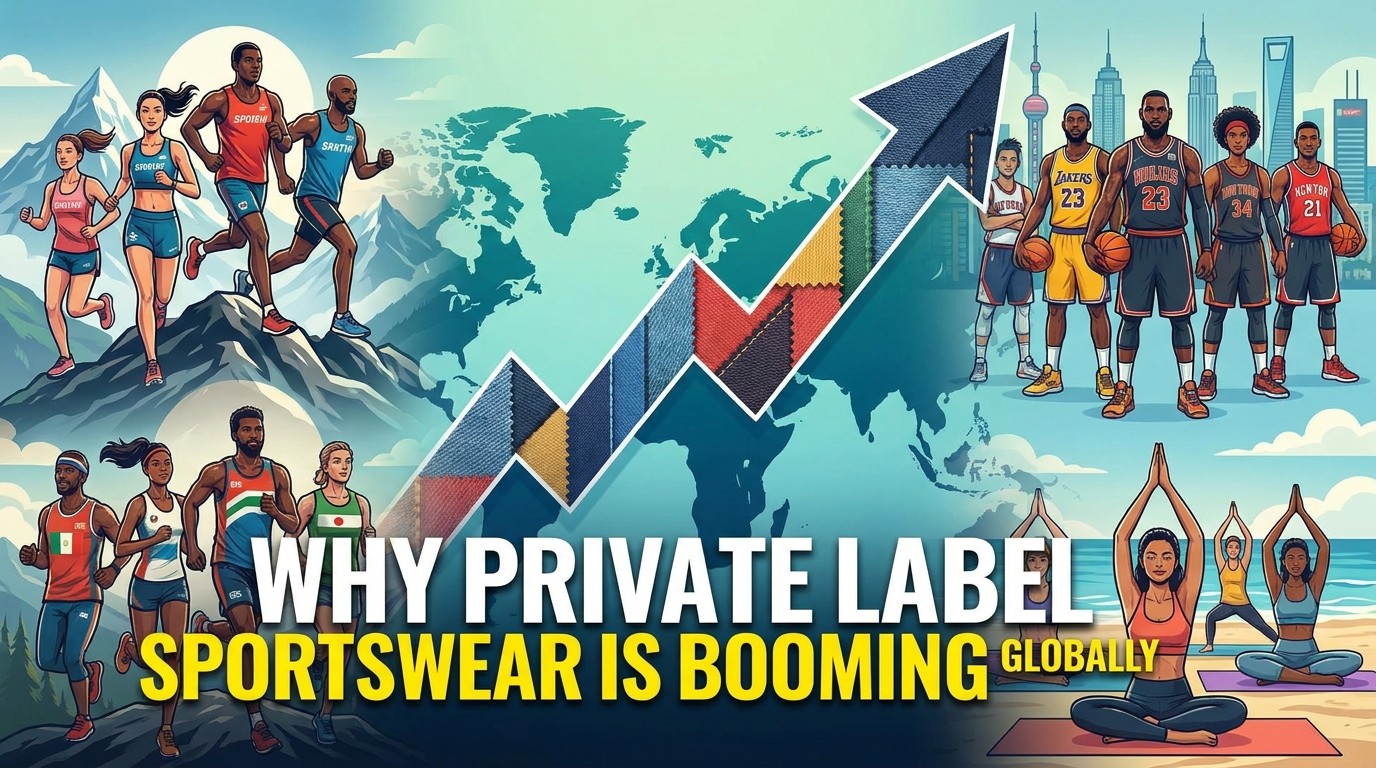
Why Private Label Sportswear is Booming Globally
🔹 Consumers still buy brands.
🔹 But increasingly, businesses want to BUILD their own brands instead.
Over the past decade, the sportswear industry has changed dramatically.
Previously, most retailers, gyms, clubs, and distributors relied heavily on established global sports giants.
Today, a new shift is accelerating:
the rise of private-label sportswear.
Across:
Fitness brands
Soccer clubs
E-commerce businesses
Gyms
Influencers
Retailers
Distributors
more organizations are launching:
Custom apparel lines
Branded sportswear
OEM activewear
Private-label collections
instead of simply reselling existing brands.
At Talha Khan OPS, we believe this trend will continue accelerating globally because modern manufacturing ecosystems have made private-label production far more accessible than ever before.
Operator Perspective:
Modern businesses increasingly want ownership of customer relationships, not dependency on external brands.
Why Private Label Sportswear Is Growing So Fast
Several global trends are driving this shift.
1. E-Commerce Reduced Market Entry Barriers
Previously, launching apparel brands required:
· Retail stores
· Massive inventory
· Large marketing budgets
· Complex distribution systems
Today:
· Shopify
· Social commerce
· Influencer marketing
· D2C platforms
· Digital advertising
allow businesses to launch brands much faster.
This dramatically increased demand for:
· OEM manufacturing
· Custom apparel
· Private labeling
· Low MOQ production
especially within sportswear.
2. Buyers Want Brand Ownership
Retailers and clubs increasingly realize:
selling another company’s products limits long-term brand value.
Private-label products allow businesses to:
· Control branding
· Improve margins
· Build customer loyalty
· Create unique identity
· Differentiate competitively
instead of competing purely on pricing.
This is especially important in crowded sports retail markets.
3. Customization Demand Is Increasing
Modern consumers increasingly value:
· Personalization
· Niche identity
· Community branding
· Unique aesthetics
This creates opportunities for:
· Gym apparel brands
· Soccer academies
· Fitness communities
· Sports influencers
· Boutique sports retailers
to launch custom sportswear collections aligned with their audience.
Customization is no longer a luxury.
It’s increasingly expected.
Why Manufacturing Ecosystems Like Sialkot Matter
The rise of private labeling depends heavily on manufacturing flexibility.
Manufacturing hubs like Sialkot remain globally important because they combine:
· Sports manufacturing expertise
· Skilled production ecosystems
· OEM specialization
· Export capability
· Customization readiness
with operational scalability.
This allows businesses globally to source:
· Custom jerseys
· Tracksuits
· Gym apparel
· Football kits
· Training wear
· Branded accessories
through direct manufacturing partnerships.
What Businesses Want From Modern Manufacturers
Today’s buyers increasingly expect:
· Low MOQ flexibility
· Customization support
· Branding capability
· Packaging options
· Quality consistency
· Fulfillment reliability
· Scalable production
· Export readiness
This is why operationally flexible manufacturers are gaining competitive advantage.
Operator Perspective:
The future of manufacturing belongs to suppliers that can balance customization with operational consistency.
Why Affordable Premium Positioning Is Winning
One major market shift:
many buyers no longer want:
· Ultra-cheap low-quality products
or:
· Extremely overpriced premium products.
Instead, they want:
affordable premium quality.
Meaning:
· Strong materials
· professional aesthetics
· durability
· customization
· reliable fulfillment
without luxury-level retail pricing.
Brands like STRYK World represent this evolving market direction by combining:
· OEM manufacturing
· private labeling
· custom sportswear production
· export-ready operations
· affordable premium positioning
for:
· soccer clubs
· gyms
· sports retailers
· distributors
· emerging athletic brands
globally.
This positioning aligns strongly with current market demand.
The Operational Side of Private Label Success
Many people think launching sportswear brands is mostly about marketing.
In reality,
operational execution determines scalability.
Private-label businesses must manage:
· Forecasting
· Inventory planning
· Production scheduling
· Supplier coordination
· Fulfillment
· Packaging
· Logistics
· Customer experience
without operational systems, growth becomes unstable quickly.
Operator Perspective:
Most apparel brands don’t fail because of weak branding. They fail because operations cannot sustain growth.
Mini Industry Observation, The Rise of Niche Sports Brands
One noticeable global trend:
smaller niche sports brands are increasingly outperforming generic mass-market competitors in specific communities.
Why?
Because they build:
Stronger identity
Community alignment
Customization
Audience loyalty
This trend is accelerating in:
Soccer
Fitness
Combat sports
Gym culture
Grassroots athletics
The market increasingly rewards specialization.
Industry Prediction for 2026–2032
Over the next decade, private-label sportswear will likely continue expanding rapidly.
We’ll likely see increasing demand for:
· OEM partnerships
· custom apparel manufacturing
· low MOQ production
· niche athletic brands
· direct-to-consumer sportswear
· club-branded merchandise
The businesses succeeding most will likely combine:
· Strong branding
· Operational discipline
· Manufacturing flexibility
· Fulfillment consistency
· Customization capability
into scalable sportswear ecosystems.
Final Thought
Private-label sportswear is no longer just an alternative manufacturing model. It’s becoming a major business strategy.
The businesses adapting early to:
Customization
Operational flexibility
Direct manufacturing relationships
will likely gain significant competitive advantage in the evolving sports market.
🔹 The future of sportswear is becoming more personalized, more flexible, and more operationally driven.
🔹 Brand ownership is increasingly becoming a strategic advantage.
If you launched your own sportswear brand today, what would matter most, quality, customization, speed, or pricing?
Let’s discuss below.
📩 Connect with us:
🌐 Talha Khan OPS
🌐 STRYK World
#PrivateLabel #Sportswear #OEMManufacturing #CustomApparel #SportsManufacturing #SportsBusiness #D2C #BusinessOperations #FitnessApparel #SoccerIndustry #GymWear #SupplyChain #RetailOperations #SportsRetail #Customization #BusinessGrowth #Manufacturing #WholesaleSports #OperationalExcellence #SportsBrands #ApparelManufacturing #Sialkot #ExportBusiness #SportswearBrand #STRYKWorld #TalhaKhanOPS #EcommerceBusiness #BrandBuilding #Activewear #FutureOfSportswear
More to Discover

Insights
Why Private Label Sportswear is Booming Globally
🔹 Consumers still buy brands.
🔹 But increasingly, businesses want to BUILD their own brands instead.
Over the past decade, the sportswear industry has changed dramatically.
Previously, most retailers, gyms, clubs, and distributors relied heavily on established global sports giants.
Today, a new shift is accelerating:
the rise of private-label sportswear.
Across:
Fitness brands
Soccer clubs
E-commerce businesses
Gyms
Influencers
Retailers
Distributors
more organizations are launching:
Custom apparel lines
Branded sportswear
OEM activewear
Private-label collections
instead of simply reselling existing brands.
At Talha Khan OPS, we believe this trend will continue accelerating globally because modern manufacturing ecosystems have made private-label production far more accessible than ever before.
Operator Perspective:
Modern businesses increasingly want ownership of customer relationships, not dependency on external brands.
Why Private Label Sportswear Is Growing So Fast
Several global trends are driving this shift.
1. E-Commerce Reduced Market Entry Barriers
Previously, launching apparel brands required:
· Retail stores
· Massive inventory
· Large marketing budgets
· Complex distribution systems
Today:
· Shopify
· Social commerce
· Influencer marketing
· D2C platforms
· Digital advertising
allow businesses to launch brands much faster.
This dramatically increased demand for:
· OEM manufacturing
· Custom apparel
· Private labeling
· Low MOQ production
especially within sportswear.
2. Buyers Want Brand Ownership
Retailers and clubs increasingly realize:
selling another company’s products limits long-term brand value.
Private-label products allow businesses to:
· Control branding
· Improve margins
· Build customer loyalty
· Create unique identity
· Differentiate competitively
instead of competing purely on pricing.
This is especially important in crowded sports retail markets.
3. Customization Demand Is Increasing
Modern consumers increasingly value:
· Personalization
· Niche identity
· Community branding
· Unique aesthetics
This creates opportunities for:
· Gym apparel brands
· Soccer academies
· Fitness communities
· Sports influencers
· Boutique sports retailers
to launch custom sportswear collections aligned with their audience.
Customization is no longer a luxury.
It’s increasingly expected.
Why Manufacturing Ecosystems Like Sialkot Matter
The rise of private labeling depends heavily on manufacturing flexibility.
Manufacturing hubs like Sialkot remain globally important because they combine:
· Sports manufacturing expertise
· Skilled production ecosystems
· OEM specialization
· Export capability
· Customization readiness
with operational scalability.
This allows businesses globally to source:
· Custom jerseys
· Tracksuits
· Gym apparel
· Football kits
· Training wear
· Branded accessories
through direct manufacturing partnerships.
What Businesses Want From Modern Manufacturers
Today’s buyers increasingly expect:
· Low MOQ flexibility
· Customization support
· Branding capability
· Packaging options
· Quality consistency
· Fulfillment reliability
· Scalable production
· Export readiness
This is why operationally flexible manufacturers are gaining competitive advantage.
Operator Perspective:
The future of manufacturing belongs to suppliers that can balance customization with operational consistency.
Why Affordable Premium Positioning Is Winning
One major market shift:
many buyers no longer want:
· Ultra-cheap low-quality products
or:
· Extremely overpriced premium products.
Instead, they want:
affordable premium quality.
Meaning:
· Strong materials
· professional aesthetics
· durability
· customization
· reliable fulfillment
without luxury-level retail pricing.
Brands like STRYK World represent this evolving market direction by combining:
· OEM manufacturing
· private labeling
· custom sportswear production
· export-ready operations
· affordable premium positioning
for:
· soccer clubs
· gyms
· sports retailers
· distributors
· emerging athletic brands
globally.
This positioning aligns strongly with current market demand.
The Operational Side of Private Label Success
Many people think launching sportswear brands is mostly about marketing.
In reality,
operational execution determines scalability.
Private-label businesses must manage:
· Forecasting
· Inventory planning
· Production scheduling
· Supplier coordination
· Fulfillment
· Packaging
· Logistics
· Customer experience
without operational systems, growth becomes unstable quickly.
Operator Perspective:
Most apparel brands don’t fail because of weak branding. They fail because operations cannot sustain growth.
Mini Industry Observation, The Rise of Niche Sports Brands
One noticeable global trend:
smaller niche sports brands are increasingly outperforming generic mass-market competitors in specific communities.
Why?
Because they build:
Stronger identity
Community alignment
Customization
Audience loyalty
This trend is accelerating in:
Soccer
Fitness
Combat sports
Gym culture
Grassroots athletics
The market increasingly rewards specialization.
Industry Prediction for 2026–2032
Over the next decade, private-label sportswear will likely continue expanding rapidly.
We’ll likely see increasing demand for:
· OEM partnerships
· custom apparel manufacturing
· low MOQ production
· niche athletic brands
· direct-to-consumer sportswear
· club-branded merchandise
The businesses succeeding most will likely combine:
· Strong branding
· Operational discipline
· Manufacturing flexibility
· Fulfillment consistency
· Customization capability
into scalable sportswear ecosystems.
Final Thought
Private-label sportswear is no longer just an alternative manufacturing model. It’s becoming a major business strategy.
The businesses adapting early to:
Customization
Operational flexibility
Direct manufacturing relationships
will likely gain significant competitive advantage in the evolving sports market.
🔹 The future of sportswear is becoming more personalized, more flexible, and more operationally driven.
🔹 Brand ownership is increasingly becoming a strategic advantage.
If you launched your own sportswear brand today, what would matter most, quality, customization, speed, or pricing?
Let’s discuss below.
📩 Connect with us:
🌐 Talha Khan OPS
🌐 STRYK World
#PrivateLabel #Sportswear #OEMManufacturing #CustomApparel #SportsManufacturing #SportsBusiness #D2C #BusinessOperations #FitnessApparel #SoccerIndustry #GymWear #SupplyChain #RetailOperations #SportsRetail #Customization #BusinessGrowth #Manufacturing #WholesaleSports #OperationalExcellence #SportsBrands #ApparelManufacturing #Sialkot #ExportBusiness #SportswearBrand #STRYKWorld #TalhaKhanOPS #EcommerceBusiness #BrandBuilding #Activewear #FutureOfSportswear
More to Discover
Insights
Why Private Label Sportswear is Booming Globally
🔹 Consumers still buy brands.
🔹 But increasingly, businesses want to BUILD their own brands instead.
Over the past decade, the sportswear industry has changed dramatically.
Previously, most retailers, gyms, clubs, and distributors relied heavily on established global sports giants.
Today, a new shift is accelerating:
the rise of private-label sportswear.
Across:
Fitness brands
Soccer clubs
E-commerce businesses
Gyms
Influencers
Retailers
Distributors
more organizations are launching:
Custom apparel lines
Branded sportswear
OEM activewear
Private-label collections
instead of simply reselling existing brands.
At Talha Khan OPS, we believe this trend will continue accelerating globally because modern manufacturing ecosystems have made private-label production far more accessible than ever before.
Operator Perspective:
Modern businesses increasingly want ownership of customer relationships, not dependency on external brands.
Why Private Label Sportswear Is Growing So Fast
Several global trends are driving this shift.
1. E-Commerce Reduced Market Entry Barriers
Previously, launching apparel brands required:
· Retail stores
· Massive inventory
· Large marketing budgets
· Complex distribution systems
Today:
· Shopify
· Social commerce
· Influencer marketing
· D2C platforms
· Digital advertising
allow businesses to launch brands much faster.
This dramatically increased demand for:
· OEM manufacturing
· Custom apparel
· Private labeling
· Low MOQ production
especially within sportswear.
2. Buyers Want Brand Ownership
Retailers and clubs increasingly realize:
selling another company’s products limits long-term brand value.
Private-label products allow businesses to:
· Control branding
· Improve margins
· Build customer loyalty
· Create unique identity
· Differentiate competitively
instead of competing purely on pricing.
This is especially important in crowded sports retail markets.
3. Customization Demand Is Increasing
Modern consumers increasingly value:
· Personalization
· Niche identity
· Community branding
· Unique aesthetics
This creates opportunities for:
· Gym apparel brands
· Soccer academies
· Fitness communities
· Sports influencers
· Boutique sports retailers
to launch custom sportswear collections aligned with their audience.
Customization is no longer a luxury.
It’s increasingly expected.
Why Manufacturing Ecosystems Like Sialkot Matter
The rise of private labeling depends heavily on manufacturing flexibility.
Manufacturing hubs like Sialkot remain globally important because they combine:
· Sports manufacturing expertise
· Skilled production ecosystems
· OEM specialization
· Export capability
· Customization readiness
with operational scalability.
This allows businesses globally to source:
· Custom jerseys
· Tracksuits
· Gym apparel
· Football kits
· Training wear
· Branded accessories
through direct manufacturing partnerships.
What Businesses Want From Modern Manufacturers
Today’s buyers increasingly expect:
· Low MOQ flexibility
· Customization support
· Branding capability
· Packaging options
· Quality consistency
· Fulfillment reliability
· Scalable production
· Export readiness
This is why operationally flexible manufacturers are gaining competitive advantage.
Operator Perspective:
The future of manufacturing belongs to suppliers that can balance customization with operational consistency.
Why Affordable Premium Positioning Is Winning
One major market shift:
many buyers no longer want:
· Ultra-cheap low-quality products
or:
· Extremely overpriced premium products.
Instead, they want:
affordable premium quality.
Meaning:
· Strong materials
· professional aesthetics
· durability
· customization
· reliable fulfillment
without luxury-level retail pricing.
Brands like STRYK World represent this evolving market direction by combining:
· OEM manufacturing
· private labeling
· custom sportswear production
· export-ready operations
· affordable premium positioning
for:
· soccer clubs
· gyms
· sports retailers
· distributors
· emerging athletic brands
globally.
This positioning aligns strongly with current market demand.
The Operational Side of Private Label Success
Many people think launching sportswear brands is mostly about marketing.
In reality,
operational execution determines scalability.
Private-label businesses must manage:
· Forecasting
· Inventory planning
· Production scheduling
· Supplier coordination
· Fulfillment
· Packaging
· Logistics
· Customer experience
without operational systems, growth becomes unstable quickly.
Operator Perspective:
Most apparel brands don’t fail because of weak branding. They fail because operations cannot sustain growth.
Mini Industry Observation, The Rise of Niche Sports Brands
One noticeable global trend:
smaller niche sports brands are increasingly outperforming generic mass-market competitors in specific communities.
Why?
Because they build:
Stronger identity
Community alignment
Customization
Audience loyalty
This trend is accelerating in:
Soccer
Fitness
Combat sports
Gym culture
Grassroots athletics
The market increasingly rewards specialization.
Industry Prediction for 2026–2032
Over the next decade, private-label sportswear will likely continue expanding rapidly.
We’ll likely see increasing demand for:
· OEM partnerships
· custom apparel manufacturing
· low MOQ production
· niche athletic brands
· direct-to-consumer sportswear
· club-branded merchandise
The businesses succeeding most will likely combine:
· Strong branding
· Operational discipline
· Manufacturing flexibility
· Fulfillment consistency
· Customization capability
into scalable sportswear ecosystems.
Final Thought
Private-label sportswear is no longer just an alternative manufacturing model. It’s becoming a major business strategy.
The businesses adapting early to:
Customization
Operational flexibility
Direct manufacturing relationships
will likely gain significant competitive advantage in the evolving sports market.
🔹 The future of sportswear is becoming more personalized, more flexible, and more operationally driven.
🔹 Brand ownership is increasingly becoming a strategic advantage.
If you launched your own sportswear brand today, what would matter most, quality, customization, speed, or pricing?
Let’s discuss below.
📩 Connect with us:
🌐 Talha Khan OPS
🌐 STRYK World
#PrivateLabel #Sportswear #OEMManufacturing #CustomApparel #SportsManufacturing #SportsBusiness #D2C #BusinessOperations #FitnessApparel #SoccerIndustry #GymWear #SupplyChain #RetailOperations #SportsRetail #Customization #BusinessGrowth #Manufacturing #WholesaleSports #OperationalExcellence #SportsBrands #ApparelManufacturing #Sialkot #ExportBusiness #SportswearBrand #STRYKWorld #TalhaKhanOPS #EcommerceBusiness #BrandBuilding #Activewear #FutureOfSportswear