Insights
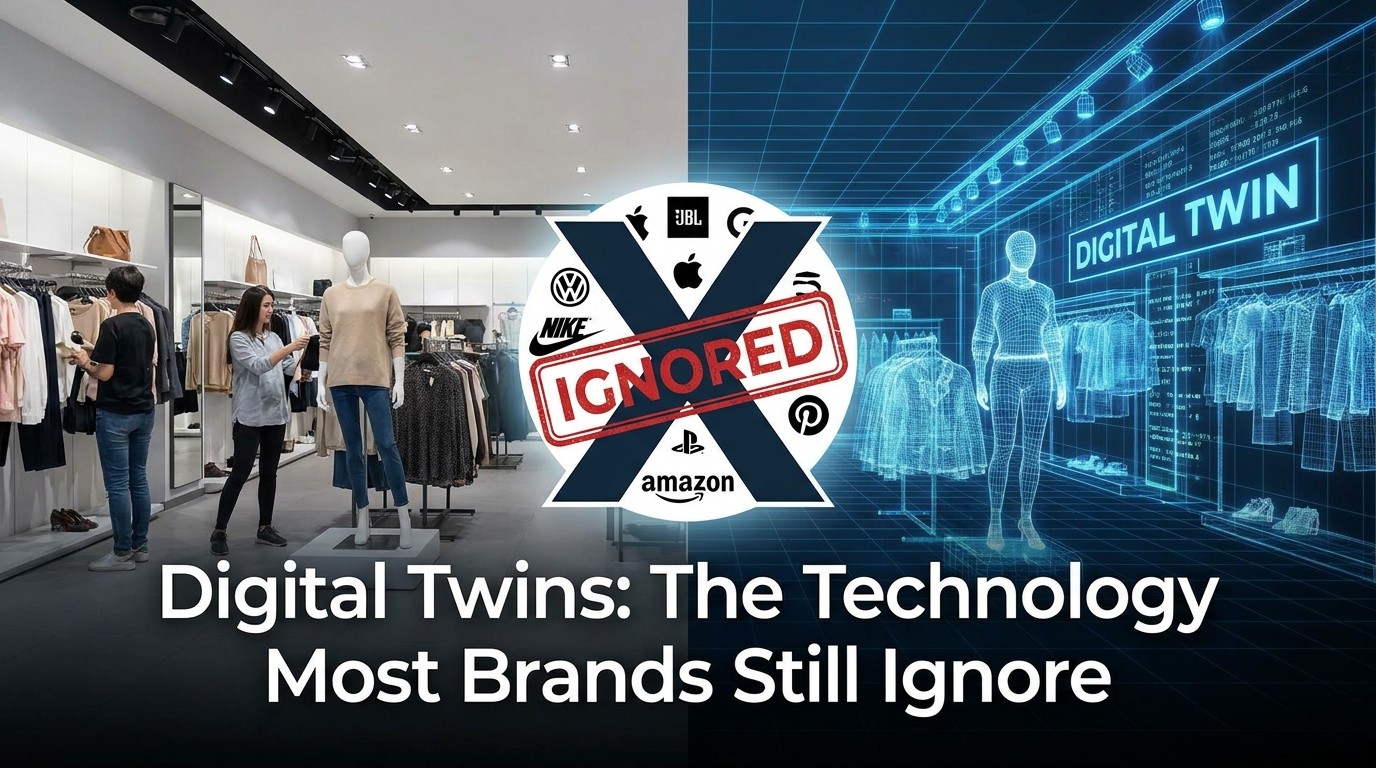
Digital Twins: The Technology Most Brands Still Ignore
🔹 Most businesses react to operational problems after they happen.
🔹 Digital twins allow companies to simulate problems before they become expensive.
As supply chains become more complex, businesses everywhere are investing in:
AI
Automation
Predictive analytics
Real-time visibility
Warehouse technology
But one technology still remains surprisingly underutilized:
Digital Twins.
Despite being adopted by some of the world’s most advanced companies, many businesses still overlook their strategic operational value.
At Talha Khan OPS, we believe digital twins will become one of the most important operational technologies of the next decade, particularly in:
Logistics
Manufacturing
Warehousing
Retail operations
Sports manufacturing
D2C supply chains
because modern operations are becoming too complex to manage reactively.
What Exactly Is a Digital Twin?
A digital twin is a virtual model of a real operational system.
It can simulate:
Warehouses
Supply chains
Production systems
Logistics networks
Inventory flow
Fulfillment operations
using real-time operational data.
Think of it as:
a living digital replica of your operational environment.
This allows businesses to test:
Disruptions
Inventory changes
Production adjustments
Logistics bottlenecks
Demand spikes
Operational risks
before making expensive real-world decisions.
Operator Perspective:
The businesses that simulate better often execute better.
Why Digital Twins Are Becoming More Important
Modern operations now involve enormous complexity:
Global sourcing
Multi-country logistics
Fulfillment speed expectations
Omnichannel retail
Inventory volatility
Seasonal demand swings
Reactive decision-making is becoming increasingly risky. Digital twins help businesses move from:
reactive operations
to
predictive operations.
That shift is strategically massive.
How Major Companies Use Digital Twins
Companies like Nike, Tesla, and Amazon increasingly use simulation-driven operational planning to improve:
Forecasting
Fulfillment
Production
Logistics resilience
Warehouse efficiency
Why?
Because testing changes digitally is far cheaper than operational failure in reality.
Where Digital Twins Create the Biggest Value
1. Supply Chain Risk Management
Businesses can simulate:
· Supplier disruption
· Freight delays
· Inventory shortages
· Production bottlenecks
before they happen.
This improves:
o Resilience
o Contingency planning
o Operational agility
2. Warehouse Optimization
Digital twins can test:
· Layout redesigns
· Picking workflows
· Automation placement
· Labor movement
· Inventory positioning
without interrupting live operations.
This reduces costly implementation mistakes.
3. Demand Forecasting
Digital twins allow companies to model:
· Seasonal spikes
· Regional demand changes
· Promotional campaigns
· Inventory allocation scenarios
before making procurement decisions.
This is becoming increasingly valuable in:
· Sportswear
· E-commerce
· Apparel
· Wholesale operations
where demand volatility is high.
4. Manufacturing Efficiency
Manufacturers can simulate:
· Production flow
· Equipment utilization
· Bottlenecks
· Quality risks
· Workflow changes
before restructuring operations physically.
Operator Perspective:
The future of operations belongs to businesses that can predict operational outcomes, not just react to them.
Why Many Businesses Still Ignore Digital Twins
Several reasons:
· Implementation complexity
· Lack of awareness
· Perceived enterprise-only use
· Fragmented operational data
· Short-term thinking
But this is changing rapidly.
As operational technology becomes more accessible,
digital twin adoption will likely expand into:
· SMEs
· Sports manufacturing
· D2C brands
· Retail businesses
· Wholesale distribution
especially where operational flexibility matters.
The Sports & Manufacturing Industry Opportunity
The sports products industry is becoming operationally more demanding.
Modern buyers increasingly expect:
Faster customization
Inventory visibility
Shorter lead times
Scalable production
Fulfillment reliability
This creates opportunities for manufacturers and sports brands that operate proactively.
Manufacturing ecosystems like Sialkot already possess:
Technical expertise
Production specialization
Export readiness
The next operational leap will come from combining that manufacturing capability with:
Predictive planning
Operational visibility
Intelligent workflow simulation
Brands like STRYK World represent the type of operationally adaptive sports businesses increasingly positioned for this future, balancing:
OEM flexibility
Custom manufacturing
Scalable fulfillment
Operational responsiveness
while serving global sports markets.
Mini Case Study, Why Predictive Operations Matter
During global supply chain disruptions, many businesses struggled because they operated reactively.
The companies that adapted faster usually had:
Better operational visibility
Stronger forecasting
Simulation capability
Scenario planning systems
The lesson became clear:
operational foresight creates resilience.
Digital twins are essentially becoming a modern operational foresight tool.
Industry Prediction for 2026–2032
Over the next decade, digital twins will likely become standard across:
Logistics
Manufacturing
Warehousing
Retail operations
Fulfillment ecosystems
The businesses gaining the most value will likely combine:
· Operational data
· AI forecasting
· Simulation modelling
· Workflow visibility
· Predictive analytics
into fully connected operational systems.
The future of operations will increasingly move from:
“react and fix”
to:
“simulate and prevent.”
Final Thought
Most operational problems become expensive because businesses discover them too late.
Digital twins change that equation.
The companies embracing predictive operational thinking today will likely outperform competitors still relying entirely on reactive management.
🔹 Operational visibility creates efficiency.
🔹 Operational simulation creates strategic advantage.
Do you think digital twins will become mainstream operational tools over the next decade?
Let’s discuss below.
📩 Connect with us:
🌐 Talha Khan OPS
🌐 STRYK World
#DigitalTwins #SupplyChain #OperationsManagement #WarehouseManagement #AI #PredictiveAnalytics #BusinessOperations #SmartManufacturing #Logistics #SupplyChainTechnology #WarehouseAutomation #OperationalExcellence #Manufacturing #RetailOperations #SportsManufacturing #OEMManufacturing #PrivateLabel #BusinessTransformation #InventoryManagement #Forecasting #FutureOfOperations #Technology #SportsIndustry #OperationalLeadership #STRYKWorld #TalhaKhanOPS #Sialkot #LogisticsTechnology #DigitalTransformation #FutureOfSupplyChain
More to Discover


Insights
Digital Twins: The Technology Most Brands Still Ignore
🔹 Most businesses react to operational problems after they happen.
🔹 Digital twins allow companies to simulate problems before they become expensive.
As supply chains become more complex, businesses everywhere are investing in:
AI
Automation
Predictive analytics
Real-time visibility
Warehouse technology
But one technology still remains surprisingly underutilized:
Digital Twins.
Despite being adopted by some of the world’s most advanced companies, many businesses still overlook their strategic operational value.
At Talha Khan OPS, we believe digital twins will become one of the most important operational technologies of the next decade, particularly in:
Logistics
Manufacturing
Warehousing
Retail operations
Sports manufacturing
D2C supply chains
because modern operations are becoming too complex to manage reactively.
What Exactly Is a Digital Twin?
A digital twin is a virtual model of a real operational system.
It can simulate:
Warehouses
Supply chains
Production systems
Logistics networks
Inventory flow
Fulfillment operations
using real-time operational data.
Think of it as:
a living digital replica of your operational environment.
This allows businesses to test:
Disruptions
Inventory changes
Production adjustments
Logistics bottlenecks
Demand spikes
Operational risks
before making expensive real-world decisions.
Operator Perspective:
The businesses that simulate better often execute better.
Why Digital Twins Are Becoming More Important
Modern operations now involve enormous complexity:
Global sourcing
Multi-country logistics
Fulfillment speed expectations
Omnichannel retail
Inventory volatility
Seasonal demand swings
Reactive decision-making is becoming increasingly risky. Digital twins help businesses move from:
reactive operations
to
predictive operations.
That shift is strategically massive.
How Major Companies Use Digital Twins
Companies like Nike, Tesla, and Amazon increasingly use simulation-driven operational planning to improve:
Forecasting
Fulfillment
Production
Logistics resilience
Warehouse efficiency
Why?
Because testing changes digitally is far cheaper than operational failure in reality.
Where Digital Twins Create the Biggest Value
1. Supply Chain Risk Management
Businesses can simulate:
· Supplier disruption
· Freight delays
· Inventory shortages
· Production bottlenecks
before they happen.
This improves:
o Resilience
o Contingency planning
o Operational agility
2. Warehouse Optimization
Digital twins can test:
· Layout redesigns
· Picking workflows
· Automation placement
· Labor movement
· Inventory positioning
without interrupting live operations.
This reduces costly implementation mistakes.
3. Demand Forecasting
Digital twins allow companies to model:
· Seasonal spikes
· Regional demand changes
· Promotional campaigns
· Inventory allocation scenarios
before making procurement decisions.
This is becoming increasingly valuable in:
· Sportswear
· E-commerce
· Apparel
· Wholesale operations
where demand volatility is high.
4. Manufacturing Efficiency
Manufacturers can simulate:
· Production flow
· Equipment utilization
· Bottlenecks
· Quality risks
· Workflow changes
before restructuring operations physically.
Operator Perspective:
The future of operations belongs to businesses that can predict operational outcomes, not just react to them.
Why Many Businesses Still Ignore Digital Twins
Several reasons:
· Implementation complexity
· Lack of awareness
· Perceived enterprise-only use
· Fragmented operational data
· Short-term thinking
But this is changing rapidly.
As operational technology becomes more accessible,
digital twin adoption will likely expand into:
· SMEs
· Sports manufacturing
· D2C brands
· Retail businesses
· Wholesale distribution
especially where operational flexibility matters.
The Sports & Manufacturing Industry Opportunity
The sports products industry is becoming operationally more demanding.
Modern buyers increasingly expect:
Faster customization
Inventory visibility
Shorter lead times
Scalable production
Fulfillment reliability
This creates opportunities for manufacturers and sports brands that operate proactively.
Manufacturing ecosystems like Sialkot already possess:
Technical expertise
Production specialization
Export readiness
The next operational leap will come from combining that manufacturing capability with:
Predictive planning
Operational visibility
Intelligent workflow simulation
Brands like STRYK World represent the type of operationally adaptive sports businesses increasingly positioned for this future, balancing:
OEM flexibility
Custom manufacturing
Scalable fulfillment
Operational responsiveness
while serving global sports markets.
Mini Case Study, Why Predictive Operations Matter
During global supply chain disruptions, many businesses struggled because they operated reactively.
The companies that adapted faster usually had:
Better operational visibility
Stronger forecasting
Simulation capability
Scenario planning systems
The lesson became clear:
operational foresight creates resilience.
Digital twins are essentially becoming a modern operational foresight tool.
Industry Prediction for 2026–2032
Over the next decade, digital twins will likely become standard across:
Logistics
Manufacturing
Warehousing
Retail operations
Fulfillment ecosystems
The businesses gaining the most value will likely combine:
· Operational data
· AI forecasting
· Simulation modelling
· Workflow visibility
· Predictive analytics
into fully connected operational systems.
The future of operations will increasingly move from:
“react and fix”
to:
“simulate and prevent.”
Final Thought
Most operational problems become expensive because businesses discover them too late.
Digital twins change that equation.
The companies embracing predictive operational thinking today will likely outperform competitors still relying entirely on reactive management.
🔹 Operational visibility creates efficiency.
🔹 Operational simulation creates strategic advantage.
Do you think digital twins will become mainstream operational tools over the next decade?
Let’s discuss below.
📩 Connect with us:
🌐 Talha Khan OPS
🌐 STRYK World
#DigitalTwins #SupplyChain #OperationsManagement #WarehouseManagement #AI #PredictiveAnalytics #BusinessOperations #SmartManufacturing #Logistics #SupplyChainTechnology #WarehouseAutomation #OperationalExcellence #Manufacturing #RetailOperations #SportsManufacturing #OEMManufacturing #PrivateLabel #BusinessTransformation #InventoryManagement #Forecasting #FutureOfOperations #Technology #SportsIndustry #OperationalLeadership #STRYKWorld #TalhaKhanOPS #Sialkot #LogisticsTechnology #DigitalTransformation #FutureOfSupplyChain
More to Discover
Insights
Digital Twins: The Technology Most Brands Still Ignore
🔹 Most businesses react to operational problems after they happen.
🔹 Digital twins allow companies to simulate problems before they become expensive.
As supply chains become more complex, businesses everywhere are investing in:
AI
Automation
Predictive analytics
Real-time visibility
Warehouse technology
But one technology still remains surprisingly underutilized:
Digital Twins.
Despite being adopted by some of the world’s most advanced companies, many businesses still overlook their strategic operational value.
At Talha Khan OPS, we believe digital twins will become one of the most important operational technologies of the next decade, particularly in:
Logistics
Manufacturing
Warehousing
Retail operations
Sports manufacturing
D2C supply chains
because modern operations are becoming too complex to manage reactively.
What Exactly Is a Digital Twin?
A digital twin is a virtual model of a real operational system.
It can simulate:
Warehouses
Supply chains
Production systems
Logistics networks
Inventory flow
Fulfillment operations
using real-time operational data.
Think of it as:
a living digital replica of your operational environment.
This allows businesses to test:
Disruptions
Inventory changes
Production adjustments
Logistics bottlenecks
Demand spikes
Operational risks
before making expensive real-world decisions.
Operator Perspective:
The businesses that simulate better often execute better.
Why Digital Twins Are Becoming More Important
Modern operations now involve enormous complexity:
Global sourcing
Multi-country logistics
Fulfillment speed expectations
Omnichannel retail
Inventory volatility
Seasonal demand swings
Reactive decision-making is becoming increasingly risky. Digital twins help businesses move from:
reactive operations
to
predictive operations.
That shift is strategically massive.
How Major Companies Use Digital Twins
Companies like Nike, Tesla, and Amazon increasingly use simulation-driven operational planning to improve:
Forecasting
Fulfillment
Production
Logistics resilience
Warehouse efficiency
Why?
Because testing changes digitally is far cheaper than operational failure in reality.
Where Digital Twins Create the Biggest Value
1. Supply Chain Risk Management
Businesses can simulate:
· Supplier disruption
· Freight delays
· Inventory shortages
· Production bottlenecks
before they happen.
This improves:
o Resilience
o Contingency planning
o Operational agility
2. Warehouse Optimization
Digital twins can test:
· Layout redesigns
· Picking workflows
· Automation placement
· Labor movement
· Inventory positioning
without interrupting live operations.
This reduces costly implementation mistakes.
3. Demand Forecasting
Digital twins allow companies to model:
· Seasonal spikes
· Regional demand changes
· Promotional campaigns
· Inventory allocation scenarios
before making procurement decisions.
This is becoming increasingly valuable in:
· Sportswear
· E-commerce
· Apparel
· Wholesale operations
where demand volatility is high.
4. Manufacturing Efficiency
Manufacturers can simulate:
· Production flow
· Equipment utilization
· Bottlenecks
· Quality risks
· Workflow changes
before restructuring operations physically.
Operator Perspective:
The future of operations belongs to businesses that can predict operational outcomes, not just react to them.
Why Many Businesses Still Ignore Digital Twins
Several reasons:
· Implementation complexity
· Lack of awareness
· Perceived enterprise-only use
· Fragmented operational data
· Short-term thinking
But this is changing rapidly.
As operational technology becomes more accessible,
digital twin adoption will likely expand into:
· SMEs
· Sports manufacturing
· D2C brands
· Retail businesses
· Wholesale distribution
especially where operational flexibility matters.
The Sports & Manufacturing Industry Opportunity
The sports products industry is becoming operationally more demanding.
Modern buyers increasingly expect:
Faster customization
Inventory visibility
Shorter lead times
Scalable production
Fulfillment reliability
This creates opportunities for manufacturers and sports brands that operate proactively.
Manufacturing ecosystems like Sialkot already possess:
Technical expertise
Production specialization
Export readiness
The next operational leap will come from combining that manufacturing capability with:
Predictive planning
Operational visibility
Intelligent workflow simulation
Brands like STRYK World represent the type of operationally adaptive sports businesses increasingly positioned for this future, balancing:
OEM flexibility
Custom manufacturing
Scalable fulfillment
Operational responsiveness
while serving global sports markets.
Mini Case Study, Why Predictive Operations Matter
During global supply chain disruptions, many businesses struggled because they operated reactively.
The companies that adapted faster usually had:
Better operational visibility
Stronger forecasting
Simulation capability
Scenario planning systems
The lesson became clear:
operational foresight creates resilience.
Digital twins are essentially becoming a modern operational foresight tool.
Industry Prediction for 2026–2032
Over the next decade, digital twins will likely become standard across:
Logistics
Manufacturing
Warehousing
Retail operations
Fulfillment ecosystems
The businesses gaining the most value will likely combine:
· Operational data
· AI forecasting
· Simulation modelling
· Workflow visibility
· Predictive analytics
into fully connected operational systems.
The future of operations will increasingly move from:
“react and fix”
to:
“simulate and prevent.”
Final Thought
Most operational problems become expensive because businesses discover them too late.
Digital twins change that equation.
The companies embracing predictive operational thinking today will likely outperform competitors still relying entirely on reactive management.
🔹 Operational visibility creates efficiency.
🔹 Operational simulation creates strategic advantage.
Do you think digital twins will become mainstream operational tools over the next decade?
Let’s discuss below.
📩 Connect with us:
🌐 Talha Khan OPS
🌐 STRYK World
#DigitalTwins #SupplyChain #OperationsManagement #WarehouseManagement #AI #PredictiveAnalytics #BusinessOperations #SmartManufacturing #Logistics #SupplyChainTechnology #WarehouseAutomation #OperationalExcellence #Manufacturing #RetailOperations #SportsManufacturing #OEMManufacturing #PrivateLabel #BusinessTransformation #InventoryManagement #Forecasting #FutureOfOperations #Technology #SportsIndustry #OperationalLeadership #STRYKWorld #TalhaKhanOPS #Sialkot #LogisticsTechnology #DigitalTransformation #FutureOfSupplyChain