Insights
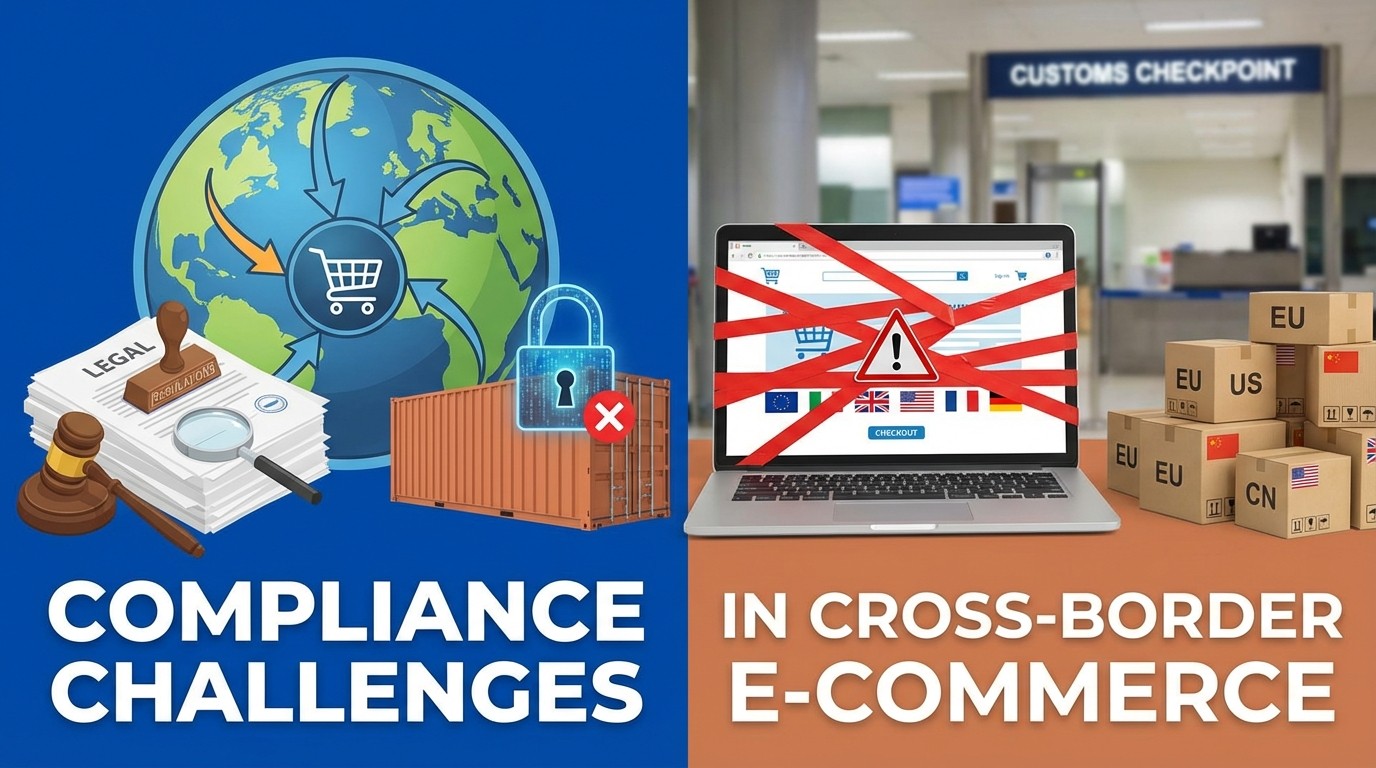
Compliance Challenges in Cross-Border E-Commerce
Introduction
Cross-border e-commerce introduces new growth opportunities but also exposes organizations to complex regulatory and compliance challenges. Variations in tax regimes, consumer protection laws, product standards, and data privacy regulations require coordinated compliance strategies across commercial, legal, and operational teams. Failure to address these challenges can disrupt fulfillment and erode customer trust.
Key Compliance Challenges
Cross-border e-commerce compliance complexity includes:
VAT/GST obligations across multiple jurisdictions
Product labeling and safety standards
Data privacy and consumer protection requirements
Returns management and reverse logistics regulations
Customs declarations and duty classification
Operationalizing Compliance
Effective compliance management requires:
Centralized compliance governance models
Integration of compliance checks into order management workflows
Automated documentation and classification systems
Partnering with customs brokers and regulatory specialists
Ongoing monitoring of regulatory changes across key markets
Strategic Benefits
Robust compliance frameworks enable:
Faster market entry into new regions
Reduced risk of penalties and shipment holds
Improved customer experience through predictable delivery
Stronger brand credibility in regulated markets
Conclusion
Compliance is not a back-office function in cross-border e-commerce, it is a strategic enabler of growth. Organizations that integrate compliance into operational design can scale international e-commerce with greater confidence and reliability.
#CrossBorderEcommerce #TradeCompliance #GlobalFulfillment #RegulatoryStrategy #EcommerceOperations #LogisticsCompliance
More to Discover


Insights
Compliance Challenges in Cross-Border E-Commerce
Introduction
Cross-border e-commerce introduces new growth opportunities but also exposes organizations to complex regulatory and compliance challenges. Variations in tax regimes, consumer protection laws, product standards, and data privacy regulations require coordinated compliance strategies across commercial, legal, and operational teams. Failure to address these challenges can disrupt fulfillment and erode customer trust.
Key Compliance Challenges
Cross-border e-commerce compliance complexity includes:
VAT/GST obligations across multiple jurisdictions
Product labeling and safety standards
Data privacy and consumer protection requirements
Returns management and reverse logistics regulations
Customs declarations and duty classification
Operationalizing Compliance
Effective compliance management requires:
Centralized compliance governance models
Integration of compliance checks into order management workflows
Automated documentation and classification systems
Partnering with customs brokers and regulatory specialists
Ongoing monitoring of regulatory changes across key markets
Strategic Benefits
Robust compliance frameworks enable:
Faster market entry into new regions
Reduced risk of penalties and shipment holds
Improved customer experience through predictable delivery
Stronger brand credibility in regulated markets
Conclusion
Compliance is not a back-office function in cross-border e-commerce, it is a strategic enabler of growth. Organizations that integrate compliance into operational design can scale international e-commerce with greater confidence and reliability.
#CrossBorderEcommerce #TradeCompliance #GlobalFulfillment #RegulatoryStrategy #EcommerceOperations #LogisticsCompliance
More to Discover
Insights
Compliance Challenges in Cross-Border E-Commerce
Introduction
Cross-border e-commerce introduces new growth opportunities but also exposes organizations to complex regulatory and compliance challenges. Variations in tax regimes, consumer protection laws, product standards, and data privacy regulations require coordinated compliance strategies across commercial, legal, and operational teams. Failure to address these challenges can disrupt fulfillment and erode customer trust.
Key Compliance Challenges
Cross-border e-commerce compliance complexity includes:
VAT/GST obligations across multiple jurisdictions
Product labeling and safety standards
Data privacy and consumer protection requirements
Returns management and reverse logistics regulations
Customs declarations and duty classification
Operationalizing Compliance
Effective compliance management requires:
Centralized compliance governance models
Integration of compliance checks into order management workflows
Automated documentation and classification systems
Partnering with customs brokers and regulatory specialists
Ongoing monitoring of regulatory changes across key markets
Strategic Benefits
Robust compliance frameworks enable:
Faster market entry into new regions
Reduced risk of penalties and shipment holds
Improved customer experience through predictable delivery
Stronger brand credibility in regulated markets
Conclusion
Compliance is not a back-office function in cross-border e-commerce, it is a strategic enabler of growth. Organizations that integrate compliance into operational design can scale international e-commerce with greater confidence and reliability.
#CrossBorderEcommerce #TradeCompliance #GlobalFulfillment #RegulatoryStrategy #EcommerceOperations #LogisticsCompliance