Insights
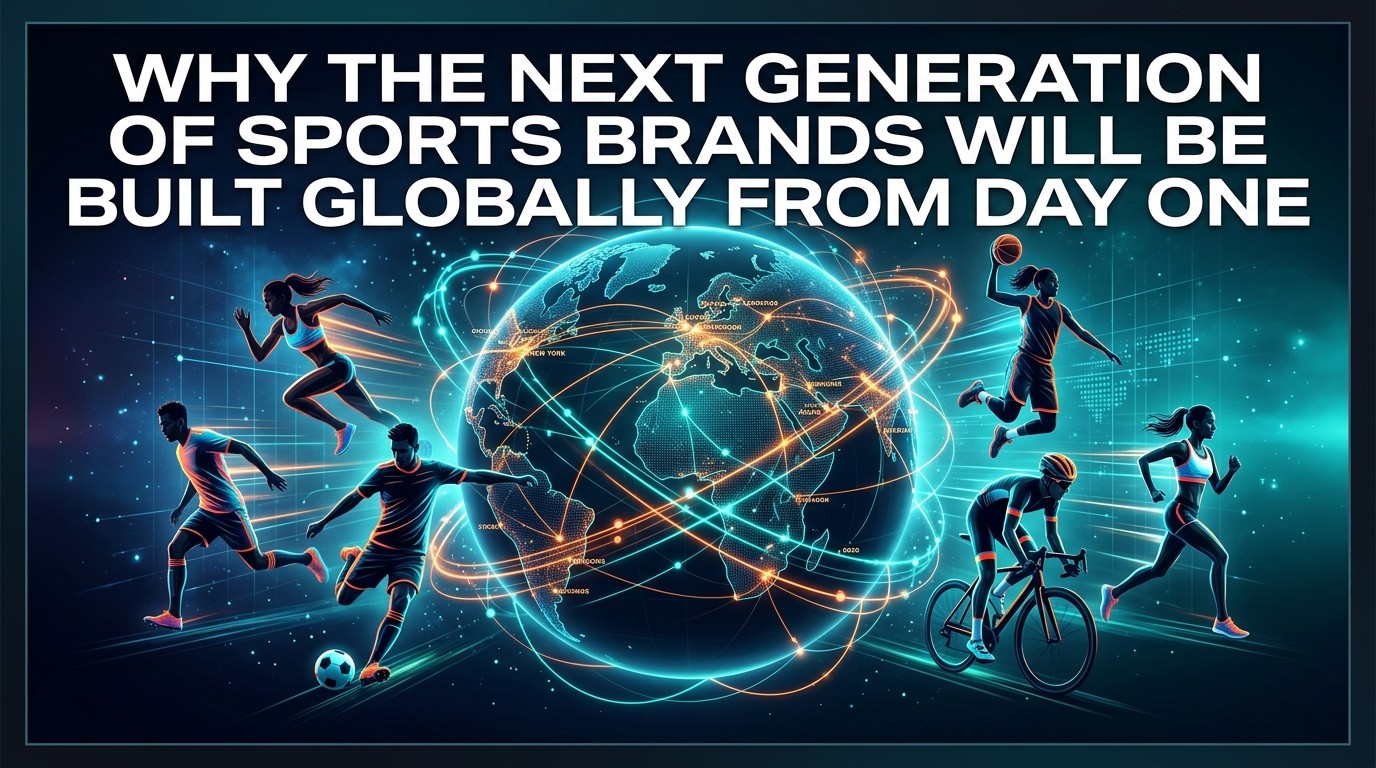
Why the Next Generation of Sports Brands Will Be Built Globally From Day One
v Sports brands no longer need to grow market-by-market slowly.
v Modern digital ecosystems allow brands to think globally from the beginning.
Historically, sports brands expanded gradually:
City by city
Region by region
Country by country
Growth depended heavily on:
Retail expansion
Distribution agreements
Physical infrastructure
Local market penetration
But digital commerce changed the rules entirely.
Today, even relatively small sports businesses can:
· Market globally
· Sell internationally
· Build digital communities
· Manufacture flexibly
· Fulfill cross-border orders
From very early stages.
At Talha Khan OPS, we believe the next generation of successful sports brands will increasingly be:
Globally positioned from day one.
Because modern sports consumers increasingly operate inside:
Digital communities
Global football culture
International fitness ecosystems
Online merchandise ecosystems
Rather than isolated local markets alone.
Operator Perspective: The internet removed many traditional barriers to global sports brand building.
Why Global-First Sports Brands Are Growing Faster
Several major shifts accelerated global-first business models:
E-commerce expansion
Social media reach
Digital communities
International fulfillment systems
OEM manufacturing ecosystems
Creator-driven commerce
Today, a sports brand in one country can:
Attract customers globally
Build international audiences
Collaborate across markets
Launch products internationally
Without requiring massive physical infrastructure initially.
Why Sports Products Naturally Fit Global Markets
Sports culture already operates globally.
Football alone connects:
Clubs
Academies
Supporters
Retailers
Communities
Across continents.
Modern consumers increasingly share:
Trends
Merchandise culture
Sports identity
Fitness aesthetics
Customization preferences
Globally through digital platforms.
This creates enormous opportunity for:
Football brands
Sportswear companies
Academy merchandise businesses
Private-label sports brands
To scale internationally faster than before.
The Biggest Challenges Global Sports Brands Face
1. Operational Scalability
Global visibility creates operational pressure quickly.
Businesses must increasingly manage:
Cross-border fulfillment
Inventory synchronization
Supplier coordination
Forecasting complexity
Customer communication
Simultaneously.
Operator Perspective:
Global branding without operational infrastructure creates instability quickly.
2. Fulfillment Expectations
Modern international customers increasingly expect:
· Fast communication
· Predictable shipping
· Operational transparency
· Inventory reliability
Even from emerging brands.
Cross-border fulfillment quality increasingly shapes:
Reputation
Trust
Repeat purchasing
3. Customization Complexity
Global sports communities increasingly demand:
Localized identity
Custom footballs
Branded apparel
Community merchandise
This creates operational complexity around:
Production flexibility
Inventory planning
Fulfillment coordination
Especially for growing brands.
4. Building Trust Across Markets
Customers buying internationally often evaluate:
Operational reliability
Fulfillment quality
Communication responsiveness
Manufacturing transparency
Very carefully.
Trust becomes especially important for emerging brands scaling globally.
Why OEM Manufacturing Supports Global Growth
One major reason global-first brands are growing faster:
modern OEM ecosystems support:
· Flexible production
· Scalable customization
· Lower moqs
· Private labeling
· Export coordination
This dramatically reduces barriers to international sports brand creation.
Manufacturing ecosystems like Sialkot remain globally important because specialized sports manufacturing ecosystems support:
Football production
Sportswear manufacturing
OEM partnerships
Scalable export operations
For brands worldwide.
Brands like STRYK World operate within this evolving global ecosystem by emphasizing:
Affordable premium positioning
Custom football manufacturing
Scalable fulfillment
OEM flexibility
Operational responsiveness
While supporting:
Soccer clubs
Sports retailers
Wholesalers
Distributors
Private-label sports brands
Globally.
Why Community Accelerates Global Growth
Modern sports brands increasingly scale internationally through:
Online communities
Content ecosystems
Creator collaborations
Niche sports audiences
Rather than depending entirely on:
Traditional advertising
Physical retail expansion
Community-driven brands often grow globally faster because:
Identity travels digitally
Sports culture spreads organically
Audience engagement scales internationally
Operator Perspective: Community is increasingly becoming global growth infrastructure.
Mini Industry Observation, Smaller Brands Now Compete Internationally
Historically, only massive corporations could scale internationally.
Today, smaller focused brands increasingly compete globally through:
Digital ecosystems
OEM partnerships
Operational flexibility
Niche communities
The sports industry is becoming significantly more decentralized.
Industry Prediction for 2026–2035
Over the next decade,
sports brands will likely become:
More global-first
More customization-driven
More community-focused
More operationally integrated
Businesses will increasingly invest in:
· Cross-border fulfillment
· Oem partnerships
· Scalable inventory systems
· Operational visibility
· International community building
· Flexible manufacturing ecosystems
The strongest sports brands will likely combine:
Global positioning + operational scalability + community-driven growth.
Final Thought
The next generation of sports brands will likely not think locally first and globally later.
They’ll increasingly build:
Global communities
International fulfillment systems
Scalable OEM partnerships
Digitally connected audiences
From the beginning.
The businesses adapting early to this shift will likely scale faster than brands relying only on traditional regional growth models.
🔹 Digital ecosystems removed many global barriers.
🔹 Operational scalability now determines how far global brands can grow sustainably.
💬 What matters most for modern global sports brands today, fulfillment, community, customization, or operational reliability?
Let’s discuss below.
📩 Connect with us:
🌐 Talha Khan OPS
🌐 STRYK World
#globalbrands #sportsbusiness #Sportswear #footballmanufacturing #oemmanufacturing #privatelabel #businessoperations #sportsretail #customapparel #operationalexcellence #sportsmanufacturing #D2C #operationalleadership #Fulfillment #supplychain #brandbuilding #sportsindustry #businessgrowth #Customization #internationalbusiness #Sialkot #strykworld #talhakhanops #globalcommerce #futureofsportsbusiness #communitydriven #operationsmanagement #crossbordercommerce #scalablebusiness #futureofretail
More to Discover

Insights
Why the Next Generation of Sports Brands Will Be Built Globally From Day One
v Sports brands no longer need to grow market-by-market slowly.
v Modern digital ecosystems allow brands to think globally from the beginning.
Historically, sports brands expanded gradually:
City by city
Region by region
Country by country
Growth depended heavily on:
Retail expansion
Distribution agreements
Physical infrastructure
Local market penetration
But digital commerce changed the rules entirely.
Today, even relatively small sports businesses can:
· Market globally
· Sell internationally
· Build digital communities
· Manufacture flexibly
· Fulfill cross-border orders
From very early stages.
At Talha Khan OPS, we believe the next generation of successful sports brands will increasingly be:
Globally positioned from day one.
Because modern sports consumers increasingly operate inside:
Digital communities
Global football culture
International fitness ecosystems
Online merchandise ecosystems
Rather than isolated local markets alone.
Operator Perspective: The internet removed many traditional barriers to global sports brand building.
Why Global-First Sports Brands Are Growing Faster
Several major shifts accelerated global-first business models:
E-commerce expansion
Social media reach
Digital communities
International fulfillment systems
OEM manufacturing ecosystems
Creator-driven commerce
Today, a sports brand in one country can:
Attract customers globally
Build international audiences
Collaborate across markets
Launch products internationally
Without requiring massive physical infrastructure initially.
Why Sports Products Naturally Fit Global Markets
Sports culture already operates globally.
Football alone connects:
Clubs
Academies
Supporters
Retailers
Communities
Across continents.
Modern consumers increasingly share:
Trends
Merchandise culture
Sports identity
Fitness aesthetics
Customization preferences
Globally through digital platforms.
This creates enormous opportunity for:
Football brands
Sportswear companies
Academy merchandise businesses
Private-label sports brands
To scale internationally faster than before.
The Biggest Challenges Global Sports Brands Face
1. Operational Scalability
Global visibility creates operational pressure quickly.
Businesses must increasingly manage:
Cross-border fulfillment
Inventory synchronization
Supplier coordination
Forecasting complexity
Customer communication
Simultaneously.
Operator Perspective:
Global branding without operational infrastructure creates instability quickly.
2. Fulfillment Expectations
Modern international customers increasingly expect:
· Fast communication
· Predictable shipping
· Operational transparency
· Inventory reliability
Even from emerging brands.
Cross-border fulfillment quality increasingly shapes:
Reputation
Trust
Repeat purchasing
3. Customization Complexity
Global sports communities increasingly demand:
Localized identity
Custom footballs
Branded apparel
Community merchandise
This creates operational complexity around:
Production flexibility
Inventory planning
Fulfillment coordination
Especially for growing brands.
4. Building Trust Across Markets
Customers buying internationally often evaluate:
Operational reliability
Fulfillment quality
Communication responsiveness
Manufacturing transparency
Very carefully.
Trust becomes especially important for emerging brands scaling globally.
Why OEM Manufacturing Supports Global Growth
One major reason global-first brands are growing faster:
modern OEM ecosystems support:
· Flexible production
· Scalable customization
· Lower moqs
· Private labeling
· Export coordination
This dramatically reduces barriers to international sports brand creation.
Manufacturing ecosystems like Sialkot remain globally important because specialized sports manufacturing ecosystems support:
Football production
Sportswear manufacturing
OEM partnerships
Scalable export operations
For brands worldwide.
Brands like STRYK World operate within this evolving global ecosystem by emphasizing:
Affordable premium positioning
Custom football manufacturing
Scalable fulfillment
OEM flexibility
Operational responsiveness
While supporting:
Soccer clubs
Sports retailers
Wholesalers
Distributors
Private-label sports brands
Globally.
Why Community Accelerates Global Growth
Modern sports brands increasingly scale internationally through:
Online communities
Content ecosystems
Creator collaborations
Niche sports audiences
Rather than depending entirely on:
Traditional advertising
Physical retail expansion
Community-driven brands often grow globally faster because:
Identity travels digitally
Sports culture spreads organically
Audience engagement scales internationally
Operator Perspective: Community is increasingly becoming global growth infrastructure.
Mini Industry Observation, Smaller Brands Now Compete Internationally
Historically, only massive corporations could scale internationally.
Today, smaller focused brands increasingly compete globally through:
Digital ecosystems
OEM partnerships
Operational flexibility
Niche communities
The sports industry is becoming significantly more decentralized.
Industry Prediction for 2026–2035
Over the next decade,
sports brands will likely become:
More global-first
More customization-driven
More community-focused
More operationally integrated
Businesses will increasingly invest in:
· Cross-border fulfillment
· Oem partnerships
· Scalable inventory systems
· Operational visibility
· International community building
· Flexible manufacturing ecosystems
The strongest sports brands will likely combine:
Global positioning + operational scalability + community-driven growth.
Final Thought
The next generation of sports brands will likely not think locally first and globally later.
They’ll increasingly build:
Global communities
International fulfillment systems
Scalable OEM partnerships
Digitally connected audiences
From the beginning.
The businesses adapting early to this shift will likely scale faster than brands relying only on traditional regional growth models.
🔹 Digital ecosystems removed many global barriers.
🔹 Operational scalability now determines how far global brands can grow sustainably.
💬 What matters most for modern global sports brands today, fulfillment, community, customization, or operational reliability?
Let’s discuss below.
📩 Connect with us:
🌐 Talha Khan OPS
🌐 STRYK World
#globalbrands #sportsbusiness #Sportswear #footballmanufacturing #oemmanufacturing #privatelabel #businessoperations #sportsretail #customapparel #operationalexcellence #sportsmanufacturing #D2C #operationalleadership #Fulfillment #supplychain #brandbuilding #sportsindustry #businessgrowth #Customization #internationalbusiness #Sialkot #strykworld #talhakhanops #globalcommerce #futureofsportsbusiness #communitydriven #operationsmanagement #crossbordercommerce #scalablebusiness #futureofretail
More to Discover
Insights
Why the Next Generation of Sports Brands Will Be Built Globally From Day One
v Sports brands no longer need to grow market-by-market slowly.
v Modern digital ecosystems allow brands to think globally from the beginning.
Historically, sports brands expanded gradually:
City by city
Region by region
Country by country
Growth depended heavily on:
Retail expansion
Distribution agreements
Physical infrastructure
Local market penetration
But digital commerce changed the rules entirely.
Today, even relatively small sports businesses can:
· Market globally
· Sell internationally
· Build digital communities
· Manufacture flexibly
· Fulfill cross-border orders
From very early stages.
At Talha Khan OPS, we believe the next generation of successful sports brands will increasingly be:
Globally positioned from day one.
Because modern sports consumers increasingly operate inside:
Digital communities
Global football culture
International fitness ecosystems
Online merchandise ecosystems
Rather than isolated local markets alone.
Operator Perspective: The internet removed many traditional barriers to global sports brand building.
Why Global-First Sports Brands Are Growing Faster
Several major shifts accelerated global-first business models:
E-commerce expansion
Social media reach
Digital communities
International fulfillment systems
OEM manufacturing ecosystems
Creator-driven commerce
Today, a sports brand in one country can:
Attract customers globally
Build international audiences
Collaborate across markets
Launch products internationally
Without requiring massive physical infrastructure initially.
Why Sports Products Naturally Fit Global Markets
Sports culture already operates globally.
Football alone connects:
Clubs
Academies
Supporters
Retailers
Communities
Across continents.
Modern consumers increasingly share:
Trends
Merchandise culture
Sports identity
Fitness aesthetics
Customization preferences
Globally through digital platforms.
This creates enormous opportunity for:
Football brands
Sportswear companies
Academy merchandise businesses
Private-label sports brands
To scale internationally faster than before.
The Biggest Challenges Global Sports Brands Face
1. Operational Scalability
Global visibility creates operational pressure quickly.
Businesses must increasingly manage:
Cross-border fulfillment
Inventory synchronization
Supplier coordination
Forecasting complexity
Customer communication
Simultaneously.
Operator Perspective:
Global branding without operational infrastructure creates instability quickly.
2. Fulfillment Expectations
Modern international customers increasingly expect:
· Fast communication
· Predictable shipping
· Operational transparency
· Inventory reliability
Even from emerging brands.
Cross-border fulfillment quality increasingly shapes:
Reputation
Trust
Repeat purchasing
3. Customization Complexity
Global sports communities increasingly demand:
Localized identity
Custom footballs
Branded apparel
Community merchandise
This creates operational complexity around:
Production flexibility
Inventory planning
Fulfillment coordination
Especially for growing brands.
4. Building Trust Across Markets
Customers buying internationally often evaluate:
Operational reliability
Fulfillment quality
Communication responsiveness
Manufacturing transparency
Very carefully.
Trust becomes especially important for emerging brands scaling globally.
Why OEM Manufacturing Supports Global Growth
One major reason global-first brands are growing faster:
modern OEM ecosystems support:
· Flexible production
· Scalable customization
· Lower moqs
· Private labeling
· Export coordination
This dramatically reduces barriers to international sports brand creation.
Manufacturing ecosystems like Sialkot remain globally important because specialized sports manufacturing ecosystems support:
Football production
Sportswear manufacturing
OEM partnerships
Scalable export operations
For brands worldwide.
Brands like STRYK World operate within this evolving global ecosystem by emphasizing:
Affordable premium positioning
Custom football manufacturing
Scalable fulfillment
OEM flexibility
Operational responsiveness
While supporting:
Soccer clubs
Sports retailers
Wholesalers
Distributors
Private-label sports brands
Globally.
Why Community Accelerates Global Growth
Modern sports brands increasingly scale internationally through:
Online communities
Content ecosystems
Creator collaborations
Niche sports audiences
Rather than depending entirely on:
Traditional advertising
Physical retail expansion
Community-driven brands often grow globally faster because:
Identity travels digitally
Sports culture spreads organically
Audience engagement scales internationally
Operator Perspective: Community is increasingly becoming global growth infrastructure.
Mini Industry Observation, Smaller Brands Now Compete Internationally
Historically, only massive corporations could scale internationally.
Today, smaller focused brands increasingly compete globally through:
Digital ecosystems
OEM partnerships
Operational flexibility
Niche communities
The sports industry is becoming significantly more decentralized.
Industry Prediction for 2026–2035
Over the next decade,
sports brands will likely become:
More global-first
More customization-driven
More community-focused
More operationally integrated
Businesses will increasingly invest in:
· Cross-border fulfillment
· Oem partnerships
· Scalable inventory systems
· Operational visibility
· International community building
· Flexible manufacturing ecosystems
The strongest sports brands will likely combine:
Global positioning + operational scalability + community-driven growth.
Final Thought
The next generation of sports brands will likely not think locally first and globally later.
They’ll increasingly build:
Global communities
International fulfillment systems
Scalable OEM partnerships
Digitally connected audiences
From the beginning.
The businesses adapting early to this shift will likely scale faster than brands relying only on traditional regional growth models.
🔹 Digital ecosystems removed many global barriers.
🔹 Operational scalability now determines how far global brands can grow sustainably.
💬 What matters most for modern global sports brands today, fulfillment, community, customization, or operational reliability?
Let’s discuss below.
📩 Connect with us:
🌐 Talha Khan OPS
🌐 STRYK World
#globalbrands #sportsbusiness #Sportswear #footballmanufacturing #oemmanufacturing #privatelabel #businessoperations #sportsretail #customapparel #operationalexcellence #sportsmanufacturing #D2C #operationalleadership #Fulfillment #supplychain #brandbuilding #sportsindustry #businessgrowth #Customization #internationalbusiness #Sialkot #strykworld #talhakhanops #globalcommerce #futureofsportsbusiness #communitydriven #operationsmanagement #crossbordercommerce #scalablebusiness #futureofretail