Insights
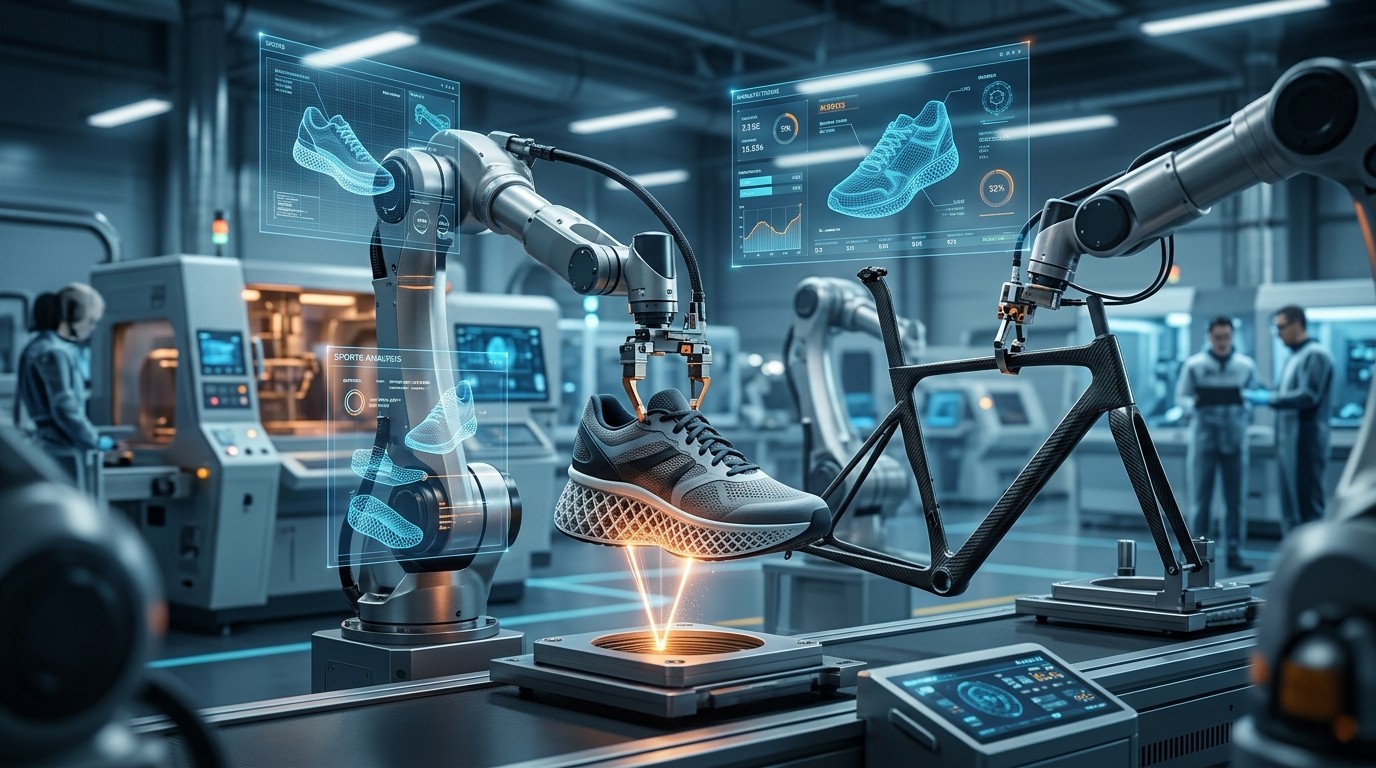
Why Sports Manufacturing Is Becoming a Technology Business
🔹 Sports manufacturing was once driven primarily by craftsmanship and labor.
🔹 Today, technology is becoming just as important as production itself.
The global sports industry is evolving rapidly.
Modern buyers increasingly expect:
ü Customization
ü Faster fulfillment
ü Premium quality
ü Inventory visibility
ü Operational transparency
ü Scalable production
all simultaneously.
Meeting these expectations requires far more than manufacturing capability alone.
It increasingly requires:
operational technology.
At Talha Khan OPS, we believe the future of sports manufacturing will belong to businesses capable of combining:
Production expertise
Operational discipline
Digital visibility
Fulfillment intelligence
Scalable technology systems
into integrated manufacturing ecosystems.
Operator Perspective:
Manufacturing alone is no longer enough. Operational intelligence is becoming equally important.
Why Technology Became Critical in Sports Manufacturing
Historically, sports manufacturing relied heavily on:
· Manual production
· Craftsmanship
· Labor coordination
· Basic forecasting
And while craftsmanship still matters enormously…
modern operational complexity increased dramatically because businesses now manage:
· Global sourcing
· Omnichannel sales
· Custom production
· Direct-to-consumer fulfillment
· Inventory synchronization
· Seasonal demand volatility
This complexity requires:
· Real-time visibility
· Predictive planning
· Scalable systems
· Operational analytics
Technology increasingly enables operational scalability.
The Biggest Technologies Reshaping Sports Manufacturing
1. Inventory Visibility Systems
Modern manufacturers increasingly rely on:
· RFID tracking
· Warehouse management systems
· Inventory dashboards
· Real-time synchronization
to improve:
ü Inventory accuracy
ü Fulfillment coordination
ü Forecasting visibility
ü Operational responsiveness
Inventory clarity itself has become strategic infrastructure.
2. AI & Predictive Forecasting
AI-driven systems increasingly help manufacturers predict:
· Demand spikes
· Seasonal trends
· Replenishment timing
· Inventory pressure
· Operational bottlenecks
This improves:
· Production planning
· Procurement timing
· Warehouse coordination
especially during:
· Football seasons
· Promotional launches
· Club merchandise spikes
Operator Perspective:
Predictive operations increasingly outperform reactive operations.
3. Customization Technology
Modern sports manufacturing increasingly supports:
· Digital printing
· Rapid sampling
· Flexible production workflows
· Scalable customization systems
This allows manufacturers to support:
· Club branding
· Oem production
· Private labeling
· Personalized sportswear
at significantly larger scale than before.
4. Warehouse & Fulfillment Automation
Warehousing itself is evolving through:
· Automation systems
· Ai-driven picking optimization
· Fulfillment dashboards
· Operational analytics
because fulfillment speed increasingly affects:
· Customer experience
· Retailer trust
· Wholesale relationships
· Brand reputation
Operational responsiveness now directly influences competitiveness.
Why Technology Alone Is Not Enough
Many businesses assume:
buying technology automatically improves operations.
But weak operational systems still create:
· Inaccurate data
· Forecasting instability
· Workflow confusion
· Fulfillment inconsistency
Technology amplifies operational structure.
It does not replace operational discipline.
Companies like Nike and Adidas increasingly combine:
· Manufacturing capability
· Operational visibility
· Predictive planning
· Fulfillment coordination
because operational technology now shapes scalability directly.
Why Sports Manufacturing Requires Operational Flexibility
Sports industries are operationally dynamic because of:
Seasonal demand
Club orders
Tournament schedules
Customization
Regional market variation
This creates strong demand for:
ü Flexible manufacturing
ü Scalable fulfillment
ü Operational visibility
ü Inventory responsiveness
ü Production adaptability
Manufacturing ecosystems like Sialkot remain globally respected partly because they continue evolving operationally while maintaining:
Craftsmanship expertise
OEM specialization
Export capability
Customization flexibility
within sports manufacturing ecosystems.
Brands like STRYK World represent this evolving operational model by combining:
OEM manufacturing
Custom football production
Affordable premium positioning
Scalable fulfillment
Operational responsiveness
while serving:
Soccer clubs
Sports retailers
Wholesalers
Distributors
Private-label brands
globally.
Why Technology Is Becoming a Competitive Advantage
One major industry shift:
technology increasingly determines:
Fulfillment speed
Operational visibility
Forecasting quality
Scalability
Customer responsiveness
The manufacturers adapting fastest technologically will likely:
Scale faster
Fulfill more reliably
Customize more efficiently
Operate more predictably
than businesses relying entirely on traditional operational models.
Operator Perspective:
Operational intelligence is becoming a manufacturing advantage.
Mini Industry Observation, Manufacturing Is Becoming More Data-Driven
One major trend globally:
sports manufacturing increasingly operates through:
Operational dashboards
Inventory analytics
Predictive planning
Fulfillment intelligence
rather than purely manual coordination.
Data visibility itself creates operational agility.
Industry Prediction for 2026–2035
Over the next decade,
sports manufacturing will likely become:
More automated
More predictive
More technology-driven
More customization-focused
More fulfillment-oriented
Businesses will increasingly invest in:
ü AI forecasting
ü Warehouse automation
ü Inventory visibility systems
ü Operational analytics
ü Fulfillment intelligence
ü Scalable customization technology
The strongest manufacturers will likely combine:
craftsmanship + operational discipline + technological scalability.
Final Thought
The future of sports manufacturing is no longer defined only by production capability.
It’s increasingly defined by:
Operational intelligence
Technological adaptability
Fulfillment responsiveness
Visibility
Scalable execution systems
The businesses adapting early to this shift will likely dominate the next generation of global sports manufacturing ecosystems.
🔹 Manufacturing is becoming operationally intelligent.
🔹 Technology increasingly shapes competitive advantage in sports production.
What will matter most in future sports manufacturing, quality, customization, fulfillment speed, or operational technology?
Let’s discuss below.
📩 Connect with us:
🌐 Talha Khan OPS
🌐 STRYK World
#SportsManufacturing #OperationalTechnology #OEMManufacturing #PrivateLabel #Sportswear #FootballManufacturing #BusinessOperations #OperationalExcellence #SupplyChain #WarehouseManagement #InventoryManagement #AI #Fulfillment #SportsBusiness #Customization #OperationalLeadership #RetailOperations #Manufacturing #WarehouseAutomation #Forecasting #SportsRetail #Sialkot #ExportBusiness #STRYKWorld #TalhaKhanOPS #FutureOfManufacturing #Technology #BusinessTransformation #FutureOfSportsBusiness #OperationalVisibility
More to Discover


Insights
Why Sports Manufacturing Is Becoming a Technology Business
🔹 Sports manufacturing was once driven primarily by craftsmanship and labor.
🔹 Today, technology is becoming just as important as production itself.
The global sports industry is evolving rapidly.
Modern buyers increasingly expect:
ü Customization
ü Faster fulfillment
ü Premium quality
ü Inventory visibility
ü Operational transparency
ü Scalable production
all simultaneously.
Meeting these expectations requires far more than manufacturing capability alone.
It increasingly requires:
operational technology.
At Talha Khan OPS, we believe the future of sports manufacturing will belong to businesses capable of combining:
Production expertise
Operational discipline
Digital visibility
Fulfillment intelligence
Scalable technology systems
into integrated manufacturing ecosystems.
Operator Perspective:
Manufacturing alone is no longer enough. Operational intelligence is becoming equally important.
Why Technology Became Critical in Sports Manufacturing
Historically, sports manufacturing relied heavily on:
· Manual production
· Craftsmanship
· Labor coordination
· Basic forecasting
And while craftsmanship still matters enormously…
modern operational complexity increased dramatically because businesses now manage:
· Global sourcing
· Omnichannel sales
· Custom production
· Direct-to-consumer fulfillment
· Inventory synchronization
· Seasonal demand volatility
This complexity requires:
· Real-time visibility
· Predictive planning
· Scalable systems
· Operational analytics
Technology increasingly enables operational scalability.
The Biggest Technologies Reshaping Sports Manufacturing
1. Inventory Visibility Systems
Modern manufacturers increasingly rely on:
· RFID tracking
· Warehouse management systems
· Inventory dashboards
· Real-time synchronization
to improve:
ü Inventory accuracy
ü Fulfillment coordination
ü Forecasting visibility
ü Operational responsiveness
Inventory clarity itself has become strategic infrastructure.
2. AI & Predictive Forecasting
AI-driven systems increasingly help manufacturers predict:
· Demand spikes
· Seasonal trends
· Replenishment timing
· Inventory pressure
· Operational bottlenecks
This improves:
· Production planning
· Procurement timing
· Warehouse coordination
especially during:
· Football seasons
· Promotional launches
· Club merchandise spikes
Operator Perspective:
Predictive operations increasingly outperform reactive operations.
3. Customization Technology
Modern sports manufacturing increasingly supports:
· Digital printing
· Rapid sampling
· Flexible production workflows
· Scalable customization systems
This allows manufacturers to support:
· Club branding
· Oem production
· Private labeling
· Personalized sportswear
at significantly larger scale than before.
4. Warehouse & Fulfillment Automation
Warehousing itself is evolving through:
· Automation systems
· Ai-driven picking optimization
· Fulfillment dashboards
· Operational analytics
because fulfillment speed increasingly affects:
· Customer experience
· Retailer trust
· Wholesale relationships
· Brand reputation
Operational responsiveness now directly influences competitiveness.
Why Technology Alone Is Not Enough
Many businesses assume:
buying technology automatically improves operations.
But weak operational systems still create:
· Inaccurate data
· Forecasting instability
· Workflow confusion
· Fulfillment inconsistency
Technology amplifies operational structure.
It does not replace operational discipline.
Companies like Nike and Adidas increasingly combine:
· Manufacturing capability
· Operational visibility
· Predictive planning
· Fulfillment coordination
because operational technology now shapes scalability directly.
Why Sports Manufacturing Requires Operational Flexibility
Sports industries are operationally dynamic because of:
Seasonal demand
Club orders
Tournament schedules
Customization
Regional market variation
This creates strong demand for:
ü Flexible manufacturing
ü Scalable fulfillment
ü Operational visibility
ü Inventory responsiveness
ü Production adaptability
Manufacturing ecosystems like Sialkot remain globally respected partly because they continue evolving operationally while maintaining:
Craftsmanship expertise
OEM specialization
Export capability
Customization flexibility
within sports manufacturing ecosystems.
Brands like STRYK World represent this evolving operational model by combining:
OEM manufacturing
Custom football production
Affordable premium positioning
Scalable fulfillment
Operational responsiveness
while serving:
Soccer clubs
Sports retailers
Wholesalers
Distributors
Private-label brands
globally.
Why Technology Is Becoming a Competitive Advantage
One major industry shift:
technology increasingly determines:
Fulfillment speed
Operational visibility
Forecasting quality
Scalability
Customer responsiveness
The manufacturers adapting fastest technologically will likely:
Scale faster
Fulfill more reliably
Customize more efficiently
Operate more predictably
than businesses relying entirely on traditional operational models.
Operator Perspective:
Operational intelligence is becoming a manufacturing advantage.
Mini Industry Observation, Manufacturing Is Becoming More Data-Driven
One major trend globally:
sports manufacturing increasingly operates through:
Operational dashboards
Inventory analytics
Predictive planning
Fulfillment intelligence
rather than purely manual coordination.
Data visibility itself creates operational agility.
Industry Prediction for 2026–2035
Over the next decade,
sports manufacturing will likely become:
More automated
More predictive
More technology-driven
More customization-focused
More fulfillment-oriented
Businesses will increasingly invest in:
ü AI forecasting
ü Warehouse automation
ü Inventory visibility systems
ü Operational analytics
ü Fulfillment intelligence
ü Scalable customization technology
The strongest manufacturers will likely combine:
craftsmanship + operational discipline + technological scalability.
Final Thought
The future of sports manufacturing is no longer defined only by production capability.
It’s increasingly defined by:
Operational intelligence
Technological adaptability
Fulfillment responsiveness
Visibility
Scalable execution systems
The businesses adapting early to this shift will likely dominate the next generation of global sports manufacturing ecosystems.
🔹 Manufacturing is becoming operationally intelligent.
🔹 Technology increasingly shapes competitive advantage in sports production.
What will matter most in future sports manufacturing, quality, customization, fulfillment speed, or operational technology?
Let’s discuss below.
📩 Connect with us:
🌐 Talha Khan OPS
🌐 STRYK World
#SportsManufacturing #OperationalTechnology #OEMManufacturing #PrivateLabel #Sportswear #FootballManufacturing #BusinessOperations #OperationalExcellence #SupplyChain #WarehouseManagement #InventoryManagement #AI #Fulfillment #SportsBusiness #Customization #OperationalLeadership #RetailOperations #Manufacturing #WarehouseAutomation #Forecasting #SportsRetail #Sialkot #ExportBusiness #STRYKWorld #TalhaKhanOPS #FutureOfManufacturing #Technology #BusinessTransformation #FutureOfSportsBusiness #OperationalVisibility
More to Discover
Insights
Why Sports Manufacturing Is Becoming a Technology Business
🔹 Sports manufacturing was once driven primarily by craftsmanship and labor.
🔹 Today, technology is becoming just as important as production itself.
The global sports industry is evolving rapidly.
Modern buyers increasingly expect:
ü Customization
ü Faster fulfillment
ü Premium quality
ü Inventory visibility
ü Operational transparency
ü Scalable production
all simultaneously.
Meeting these expectations requires far more than manufacturing capability alone.
It increasingly requires:
operational technology.
At Talha Khan OPS, we believe the future of sports manufacturing will belong to businesses capable of combining:
Production expertise
Operational discipline
Digital visibility
Fulfillment intelligence
Scalable technology systems
into integrated manufacturing ecosystems.
Operator Perspective:
Manufacturing alone is no longer enough. Operational intelligence is becoming equally important.
Why Technology Became Critical in Sports Manufacturing
Historically, sports manufacturing relied heavily on:
· Manual production
· Craftsmanship
· Labor coordination
· Basic forecasting
And while craftsmanship still matters enormously…
modern operational complexity increased dramatically because businesses now manage:
· Global sourcing
· Omnichannel sales
· Custom production
· Direct-to-consumer fulfillment
· Inventory synchronization
· Seasonal demand volatility
This complexity requires:
· Real-time visibility
· Predictive planning
· Scalable systems
· Operational analytics
Technology increasingly enables operational scalability.
The Biggest Technologies Reshaping Sports Manufacturing
1. Inventory Visibility Systems
Modern manufacturers increasingly rely on:
· RFID tracking
· Warehouse management systems
· Inventory dashboards
· Real-time synchronization
to improve:
ü Inventory accuracy
ü Fulfillment coordination
ü Forecasting visibility
ü Operational responsiveness
Inventory clarity itself has become strategic infrastructure.
2. AI & Predictive Forecasting
AI-driven systems increasingly help manufacturers predict:
· Demand spikes
· Seasonal trends
· Replenishment timing
· Inventory pressure
· Operational bottlenecks
This improves:
· Production planning
· Procurement timing
· Warehouse coordination
especially during:
· Football seasons
· Promotional launches
· Club merchandise spikes
Operator Perspective:
Predictive operations increasingly outperform reactive operations.
3. Customization Technology
Modern sports manufacturing increasingly supports:
· Digital printing
· Rapid sampling
· Flexible production workflows
· Scalable customization systems
This allows manufacturers to support:
· Club branding
· Oem production
· Private labeling
· Personalized sportswear
at significantly larger scale than before.
4. Warehouse & Fulfillment Automation
Warehousing itself is evolving through:
· Automation systems
· Ai-driven picking optimization
· Fulfillment dashboards
· Operational analytics
because fulfillment speed increasingly affects:
· Customer experience
· Retailer trust
· Wholesale relationships
· Brand reputation
Operational responsiveness now directly influences competitiveness.
Why Technology Alone Is Not Enough
Many businesses assume:
buying technology automatically improves operations.
But weak operational systems still create:
· Inaccurate data
· Forecasting instability
· Workflow confusion
· Fulfillment inconsistency
Technology amplifies operational structure.
It does not replace operational discipline.
Companies like Nike and Adidas increasingly combine:
· Manufacturing capability
· Operational visibility
· Predictive planning
· Fulfillment coordination
because operational technology now shapes scalability directly.
Why Sports Manufacturing Requires Operational Flexibility
Sports industries are operationally dynamic because of:
Seasonal demand
Club orders
Tournament schedules
Customization
Regional market variation
This creates strong demand for:
ü Flexible manufacturing
ü Scalable fulfillment
ü Operational visibility
ü Inventory responsiveness
ü Production adaptability
Manufacturing ecosystems like Sialkot remain globally respected partly because they continue evolving operationally while maintaining:
Craftsmanship expertise
OEM specialization
Export capability
Customization flexibility
within sports manufacturing ecosystems.
Brands like STRYK World represent this evolving operational model by combining:
OEM manufacturing
Custom football production
Affordable premium positioning
Scalable fulfillment
Operational responsiveness
while serving:
Soccer clubs
Sports retailers
Wholesalers
Distributors
Private-label brands
globally.
Why Technology Is Becoming a Competitive Advantage
One major industry shift:
technology increasingly determines:
Fulfillment speed
Operational visibility
Forecasting quality
Scalability
Customer responsiveness
The manufacturers adapting fastest technologically will likely:
Scale faster
Fulfill more reliably
Customize more efficiently
Operate more predictably
than businesses relying entirely on traditional operational models.
Operator Perspective:
Operational intelligence is becoming a manufacturing advantage.
Mini Industry Observation, Manufacturing Is Becoming More Data-Driven
One major trend globally:
sports manufacturing increasingly operates through:
Operational dashboards
Inventory analytics
Predictive planning
Fulfillment intelligence
rather than purely manual coordination.
Data visibility itself creates operational agility.
Industry Prediction for 2026–2035
Over the next decade,
sports manufacturing will likely become:
More automated
More predictive
More technology-driven
More customization-focused
More fulfillment-oriented
Businesses will increasingly invest in:
ü AI forecasting
ü Warehouse automation
ü Inventory visibility systems
ü Operational analytics
ü Fulfillment intelligence
ü Scalable customization technology
The strongest manufacturers will likely combine:
craftsmanship + operational discipline + technological scalability.
Final Thought
The future of sports manufacturing is no longer defined only by production capability.
It’s increasingly defined by:
Operational intelligence
Technological adaptability
Fulfillment responsiveness
Visibility
Scalable execution systems
The businesses adapting early to this shift will likely dominate the next generation of global sports manufacturing ecosystems.
🔹 Manufacturing is becoming operationally intelligent.
🔹 Technology increasingly shapes competitive advantage in sports production.
What will matter most in future sports manufacturing, quality, customization, fulfillment speed, or operational technology?
Let’s discuss below.
📩 Connect with us:
🌐 Talha Khan OPS
🌐 STRYK World
#SportsManufacturing #OperationalTechnology #OEMManufacturing #PrivateLabel #Sportswear #FootballManufacturing #BusinessOperations #OperationalExcellence #SupplyChain #WarehouseManagement #InventoryManagement #AI #Fulfillment #SportsBusiness #Customization #OperationalLeadership #RetailOperations #Manufacturing #WarehouseAutomation #Forecasting #SportsRetail #Sialkot #ExportBusiness #STRYKWorld #TalhaKhanOPS #FutureOfManufacturing #Technology #BusinessTransformation #FutureOfSportsBusiness #OperationalVisibility