Insights
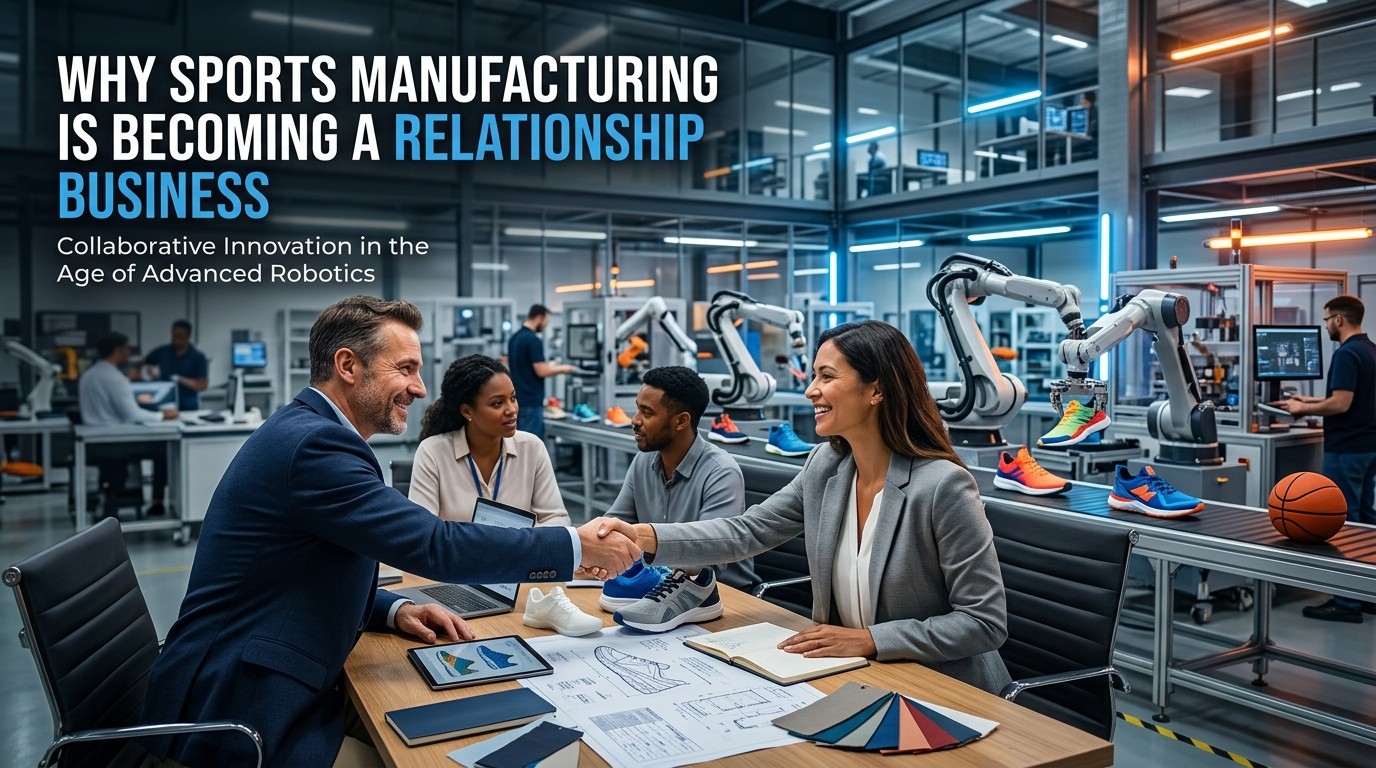
Why Sports Manufacturing Is Becoming a Relationship Business
v Manufacturing was once largely transactional.
v Today, long-term relationships increasingly determine operational success.
Historically, many businesses approached manufacturing through:
Price negotiations
Purchase orders
Production timelines
Transactional supplier relationships
The focus was simple:
Source products at the best possible price.
But modern business environments changed dramatically.
Today, sports manufacturing increasingly depends on:
· Operational coordination
· Fulfillment reliability
· Forecasting alignment
· Customization flexibility
· Long-term trust
· Scalable collaboration
At Talha Khan OPS, we believe manufacturing relationships are becoming one of the most important competitive advantages across:
Sportswear
Football manufacturing
OEM production
Private labeling
Wholesale operations
D2C sports brands
Because operational ecosystems increasingly outperform isolated transactions.
Operator Perspective: Strong supplier relationships improve operational resilience far more than many businesses realize.
Why Manufacturing Became More Relationship-Driven
Several major shifts accelerated this transformation:
Supply chain disruptions
Customization demand
Faster fulfillment expectations
Inventory volatility
D2C commerce
Global operational complexity
Businesses increasingly need manufacturing partners capable of:
Adapting quickly
Communicating clearly
Scaling flexibly
Coordinating operationally
This requires: Collaboration, not just transactions.
Why Transactional Manufacturing Models Are Struggling
Businesses relying purely on:
Lowest-cost sourcing
Disconnected vendors
Short-term procurement
Often struggle with:
Inconsistent quality
Fulfillment delays
Operational misalignment
Weak scalability
Operator Perspective: Cheap sourcing can become expensive when operational coordination fails.
The Biggest Benefits of Strong Manufacturing Relationships
1. Better Operational Flexibility
Strong manufacturing relationships improve:
Production adaptability
Customization coordination
Fulfillment responsiveness
Inventory continuity
Especially during:
Seasonal spikes
Rapid growth
Market volatility
2. Improved Communication
Operational visibility improves dramatically when businesses maintain:
Consistent communication
Forecasting transparency
Production coordination
Strong communication reduces:
Delays
Confusion
Operational surprises
3. Higher Fulfillment Reliability
Manufacturing relationships increasingly influence:
· Production consistency
· Inventory availability
· Replenishment timing
· Operational responsiveness
Reliable supplier ecosystems improve customer experience downstream.
4. Better Scalability
Businesses growing rapidly increasingly require suppliers capable of:
Scaling production
Adapting operationally
Maintaining quality
Supporting customization
Strong relationships improve:
Long-term operational scalability
Fulfillment continuity
Manufacturing resilience
Why Sports Manufacturing Requires Strong Coordination
Sportswear and sports manufacturing involve highly dynamic operations because of:
Customization
Tournament cycles
Seasonal demand
Inventory variation
Wholesale coordination
Community-driven products
This creates strong demand for:
· Manufacturing flexibility
· Operational visibility
· Fulfillment coordination
· Scalable production ecosystems
Within:
OEM manufacturing
Private labeling
Football production
Sports retail
Manufacturing ecosystems like Sialkot remain globally respected partly because generations of specialization created:
Football manufacturing expertise
OEM operational familiarity
Export readiness
Customization capability
Production coordination ecosystems
Within sports manufacturing environments.
Brands like STRYK World operate within this evolving ecosystem by emphasizing:
Affordable premium positioning
OEM manufacturing
Scalable fulfillment
Operational responsiveness
Customization flexibility
While supporting:
Soccer clubs
Wholesalers
Sports retailers
Distributors
Private-label sports brands
Globally.
Why Operational Transparency Strengthens Relationships
Modern manufacturing ecosystems increasingly depend on:
Operational visibility
Forecasting coordination
Inventory awareness
Production planning
Businesses that communicate proactively often build:
Stronger supplier trust
Faster operational responsiveness
Better scalability
Operator Perspective: Transparency improves operational coordination dramatically.
Mini Industry Observation, Collaboration Is Replacing Pure Transactional Thinking
One major trend globally:
the strongest manufacturing ecosystems increasingly operate collaboratively between:
Manufacturers
Brands
Logistics partners
Fulfillment systems
Because modern commerce requires:
Operational synchronization.
The market increasingly rewards operational ecosystems, not isolated businesses.
Industry Prediction for 2026–2035
Over the next decade,
sports manufacturing will likely become:
More collaborative
More customization-driven
More operationally integrated
More visibility-focused
Businesses will increasingly invest in:
· Long-term OEM partnerships
· Operational dashboards
· Fulfillment coordination systems
· Supplier visibility
· Scalable manufacturing ecosystems
· Collaborative forecasting infrastructure
The strongest businesses will likely combine:
Operational trust + manufacturing flexibility + scalable partnerships.
Final Thought
Modern manufacturing is no longer simply about producing products.
It’s increasingly about building operational ecosystems capable of supporting:
Scalability
Customization
Fulfillment reliability
Operational resilience
Long-term growth
The businesses adapting early to relationship-driven manufacturing will likely outperform companies still operating through purely transactional supplier models.
🔹 Manufacturing quality depends on systems.
🔹 Manufacturing resilience increasingly depends on relationships.
💬 What matters most in manufacturing partnerships today, trust, customization, fulfillment reliability, or operational communication?
Let’s discuss below.
📩 Connect with us:
🌐 Talha Khan OPS
🌐 STRYK World
#sportsmanufacturing #oemmanufacturing #privatelabel #Sportswear #footballmanufacturing #businessoperations #operationalexcellence #sportsbusiness #supplychain #Customization #operationalleadership #sportsretail #Manufacturing #Fulfillment #businessgrowth #operationaldiscipline #wholesalesports #retailoperations #supplychainmanagement #operationsmanagement #Sialkot #exportbusiness #strykworld #talhakhanops #manufacturingstrategy #futureofmanufacturing #operationalvisibility #suppliermanagement #businessstrategy #scalablebusiness
More to Discover


Insights
Why Sports Manufacturing Is Becoming a Relationship Business
v Manufacturing was once largely transactional.
v Today, long-term relationships increasingly determine operational success.
Historically, many businesses approached manufacturing through:
Price negotiations
Purchase orders
Production timelines
Transactional supplier relationships
The focus was simple:
Source products at the best possible price.
But modern business environments changed dramatically.
Today, sports manufacturing increasingly depends on:
· Operational coordination
· Fulfillment reliability
· Forecasting alignment
· Customization flexibility
· Long-term trust
· Scalable collaboration
At Talha Khan OPS, we believe manufacturing relationships are becoming one of the most important competitive advantages across:
Sportswear
Football manufacturing
OEM production
Private labeling
Wholesale operations
D2C sports brands
Because operational ecosystems increasingly outperform isolated transactions.
Operator Perspective: Strong supplier relationships improve operational resilience far more than many businesses realize.
Why Manufacturing Became More Relationship-Driven
Several major shifts accelerated this transformation:
Supply chain disruptions
Customization demand
Faster fulfillment expectations
Inventory volatility
D2C commerce
Global operational complexity
Businesses increasingly need manufacturing partners capable of:
Adapting quickly
Communicating clearly
Scaling flexibly
Coordinating operationally
This requires: Collaboration, not just transactions.
Why Transactional Manufacturing Models Are Struggling
Businesses relying purely on:
Lowest-cost sourcing
Disconnected vendors
Short-term procurement
Often struggle with:
Inconsistent quality
Fulfillment delays
Operational misalignment
Weak scalability
Operator Perspective: Cheap sourcing can become expensive when operational coordination fails.
The Biggest Benefits of Strong Manufacturing Relationships
1. Better Operational Flexibility
Strong manufacturing relationships improve:
Production adaptability
Customization coordination
Fulfillment responsiveness
Inventory continuity
Especially during:
Seasonal spikes
Rapid growth
Market volatility
2. Improved Communication
Operational visibility improves dramatically when businesses maintain:
Consistent communication
Forecasting transparency
Production coordination
Strong communication reduces:
Delays
Confusion
Operational surprises
3. Higher Fulfillment Reliability
Manufacturing relationships increasingly influence:
· Production consistency
· Inventory availability
· Replenishment timing
· Operational responsiveness
Reliable supplier ecosystems improve customer experience downstream.
4. Better Scalability
Businesses growing rapidly increasingly require suppliers capable of:
Scaling production
Adapting operationally
Maintaining quality
Supporting customization
Strong relationships improve:
Long-term operational scalability
Fulfillment continuity
Manufacturing resilience
Why Sports Manufacturing Requires Strong Coordination
Sportswear and sports manufacturing involve highly dynamic operations because of:
Customization
Tournament cycles
Seasonal demand
Inventory variation
Wholesale coordination
Community-driven products
This creates strong demand for:
· Manufacturing flexibility
· Operational visibility
· Fulfillment coordination
· Scalable production ecosystems
Within:
OEM manufacturing
Private labeling
Football production
Sports retail
Manufacturing ecosystems like Sialkot remain globally respected partly because generations of specialization created:
Football manufacturing expertise
OEM operational familiarity
Export readiness
Customization capability
Production coordination ecosystems
Within sports manufacturing environments.
Brands like STRYK World operate within this evolving ecosystem by emphasizing:
Affordable premium positioning
OEM manufacturing
Scalable fulfillment
Operational responsiveness
Customization flexibility
While supporting:
Soccer clubs
Wholesalers
Sports retailers
Distributors
Private-label sports brands
Globally.
Why Operational Transparency Strengthens Relationships
Modern manufacturing ecosystems increasingly depend on:
Operational visibility
Forecasting coordination
Inventory awareness
Production planning
Businesses that communicate proactively often build:
Stronger supplier trust
Faster operational responsiveness
Better scalability
Operator Perspective: Transparency improves operational coordination dramatically.
Mini Industry Observation, Collaboration Is Replacing Pure Transactional Thinking
One major trend globally:
the strongest manufacturing ecosystems increasingly operate collaboratively between:
Manufacturers
Brands
Logistics partners
Fulfillment systems
Because modern commerce requires:
Operational synchronization.
The market increasingly rewards operational ecosystems, not isolated businesses.
Industry Prediction for 2026–2035
Over the next decade,
sports manufacturing will likely become:
More collaborative
More customization-driven
More operationally integrated
More visibility-focused
Businesses will increasingly invest in:
· Long-term OEM partnerships
· Operational dashboards
· Fulfillment coordination systems
· Supplier visibility
· Scalable manufacturing ecosystems
· Collaborative forecasting infrastructure
The strongest businesses will likely combine:
Operational trust + manufacturing flexibility + scalable partnerships.
Final Thought
Modern manufacturing is no longer simply about producing products.
It’s increasingly about building operational ecosystems capable of supporting:
Scalability
Customization
Fulfillment reliability
Operational resilience
Long-term growth
The businesses adapting early to relationship-driven manufacturing will likely outperform companies still operating through purely transactional supplier models.
🔹 Manufacturing quality depends on systems.
🔹 Manufacturing resilience increasingly depends on relationships.
💬 What matters most in manufacturing partnerships today, trust, customization, fulfillment reliability, or operational communication?
Let’s discuss below.
📩 Connect with us:
🌐 Talha Khan OPS
🌐 STRYK World
#sportsmanufacturing #oemmanufacturing #privatelabel #Sportswear #footballmanufacturing #businessoperations #operationalexcellence #sportsbusiness #supplychain #Customization #operationalleadership #sportsretail #Manufacturing #Fulfillment #businessgrowth #operationaldiscipline #wholesalesports #retailoperations #supplychainmanagement #operationsmanagement #Sialkot #exportbusiness #strykworld #talhakhanops #manufacturingstrategy #futureofmanufacturing #operationalvisibility #suppliermanagement #businessstrategy #scalablebusiness
More to Discover
Insights
Why Sports Manufacturing Is Becoming a Relationship Business
v Manufacturing was once largely transactional.
v Today, long-term relationships increasingly determine operational success.
Historically, many businesses approached manufacturing through:
Price negotiations
Purchase orders
Production timelines
Transactional supplier relationships
The focus was simple:
Source products at the best possible price.
But modern business environments changed dramatically.
Today, sports manufacturing increasingly depends on:
· Operational coordination
· Fulfillment reliability
· Forecasting alignment
· Customization flexibility
· Long-term trust
· Scalable collaboration
At Talha Khan OPS, we believe manufacturing relationships are becoming one of the most important competitive advantages across:
Sportswear
Football manufacturing
OEM production
Private labeling
Wholesale operations
D2C sports brands
Because operational ecosystems increasingly outperform isolated transactions.
Operator Perspective: Strong supplier relationships improve operational resilience far more than many businesses realize.
Why Manufacturing Became More Relationship-Driven
Several major shifts accelerated this transformation:
Supply chain disruptions
Customization demand
Faster fulfillment expectations
Inventory volatility
D2C commerce
Global operational complexity
Businesses increasingly need manufacturing partners capable of:
Adapting quickly
Communicating clearly
Scaling flexibly
Coordinating operationally
This requires: Collaboration, not just transactions.
Why Transactional Manufacturing Models Are Struggling
Businesses relying purely on:
Lowest-cost sourcing
Disconnected vendors
Short-term procurement
Often struggle with:
Inconsistent quality
Fulfillment delays
Operational misalignment
Weak scalability
Operator Perspective: Cheap sourcing can become expensive when operational coordination fails.
The Biggest Benefits of Strong Manufacturing Relationships
1. Better Operational Flexibility
Strong manufacturing relationships improve:
Production adaptability
Customization coordination
Fulfillment responsiveness
Inventory continuity
Especially during:
Seasonal spikes
Rapid growth
Market volatility
2. Improved Communication
Operational visibility improves dramatically when businesses maintain:
Consistent communication
Forecasting transparency
Production coordination
Strong communication reduces:
Delays
Confusion
Operational surprises
3. Higher Fulfillment Reliability
Manufacturing relationships increasingly influence:
· Production consistency
· Inventory availability
· Replenishment timing
· Operational responsiveness
Reliable supplier ecosystems improve customer experience downstream.
4. Better Scalability
Businesses growing rapidly increasingly require suppliers capable of:
Scaling production
Adapting operationally
Maintaining quality
Supporting customization
Strong relationships improve:
Long-term operational scalability
Fulfillment continuity
Manufacturing resilience
Why Sports Manufacturing Requires Strong Coordination
Sportswear and sports manufacturing involve highly dynamic operations because of:
Customization
Tournament cycles
Seasonal demand
Inventory variation
Wholesale coordination
Community-driven products
This creates strong demand for:
· Manufacturing flexibility
· Operational visibility
· Fulfillment coordination
· Scalable production ecosystems
Within:
OEM manufacturing
Private labeling
Football production
Sports retail
Manufacturing ecosystems like Sialkot remain globally respected partly because generations of specialization created:
Football manufacturing expertise
OEM operational familiarity
Export readiness
Customization capability
Production coordination ecosystems
Within sports manufacturing environments.
Brands like STRYK World operate within this evolving ecosystem by emphasizing:
Affordable premium positioning
OEM manufacturing
Scalable fulfillment
Operational responsiveness
Customization flexibility
While supporting:
Soccer clubs
Wholesalers
Sports retailers
Distributors
Private-label sports brands
Globally.
Why Operational Transparency Strengthens Relationships
Modern manufacturing ecosystems increasingly depend on:
Operational visibility
Forecasting coordination
Inventory awareness
Production planning
Businesses that communicate proactively often build:
Stronger supplier trust
Faster operational responsiveness
Better scalability
Operator Perspective: Transparency improves operational coordination dramatically.
Mini Industry Observation, Collaboration Is Replacing Pure Transactional Thinking
One major trend globally:
the strongest manufacturing ecosystems increasingly operate collaboratively between:
Manufacturers
Brands
Logistics partners
Fulfillment systems
Because modern commerce requires:
Operational synchronization.
The market increasingly rewards operational ecosystems, not isolated businesses.
Industry Prediction for 2026–2035
Over the next decade,
sports manufacturing will likely become:
More collaborative
More customization-driven
More operationally integrated
More visibility-focused
Businesses will increasingly invest in:
· Long-term OEM partnerships
· Operational dashboards
· Fulfillment coordination systems
· Supplier visibility
· Scalable manufacturing ecosystems
· Collaborative forecasting infrastructure
The strongest businesses will likely combine:
Operational trust + manufacturing flexibility + scalable partnerships.
Final Thought
Modern manufacturing is no longer simply about producing products.
It’s increasingly about building operational ecosystems capable of supporting:
Scalability
Customization
Fulfillment reliability
Operational resilience
Long-term growth
The businesses adapting early to relationship-driven manufacturing will likely outperform companies still operating through purely transactional supplier models.
🔹 Manufacturing quality depends on systems.
🔹 Manufacturing resilience increasingly depends on relationships.
💬 What matters most in manufacturing partnerships today, trust, customization, fulfillment reliability, or operational communication?
Let’s discuss below.
📩 Connect with us:
🌐 Talha Khan OPS
🌐 STRYK World
#sportsmanufacturing #oemmanufacturing #privatelabel #Sportswear #footballmanufacturing #businessoperations #operationalexcellence #sportsbusiness #supplychain #Customization #operationalleadership #sportsretail #Manufacturing #Fulfillment #businessgrowth #operationaldiscipline #wholesalesports #retailoperations #supplychainmanagement #operationsmanagement #Sialkot #exportbusiness #strykworld #talhakhanops #manufacturingstrategy #futureofmanufacturing #operationalvisibility #suppliermanagement #businessstrategy #scalablebusiness