Insights
Why Sports Apparel Is Becoming More Identity-Driven Than Performance-Driven
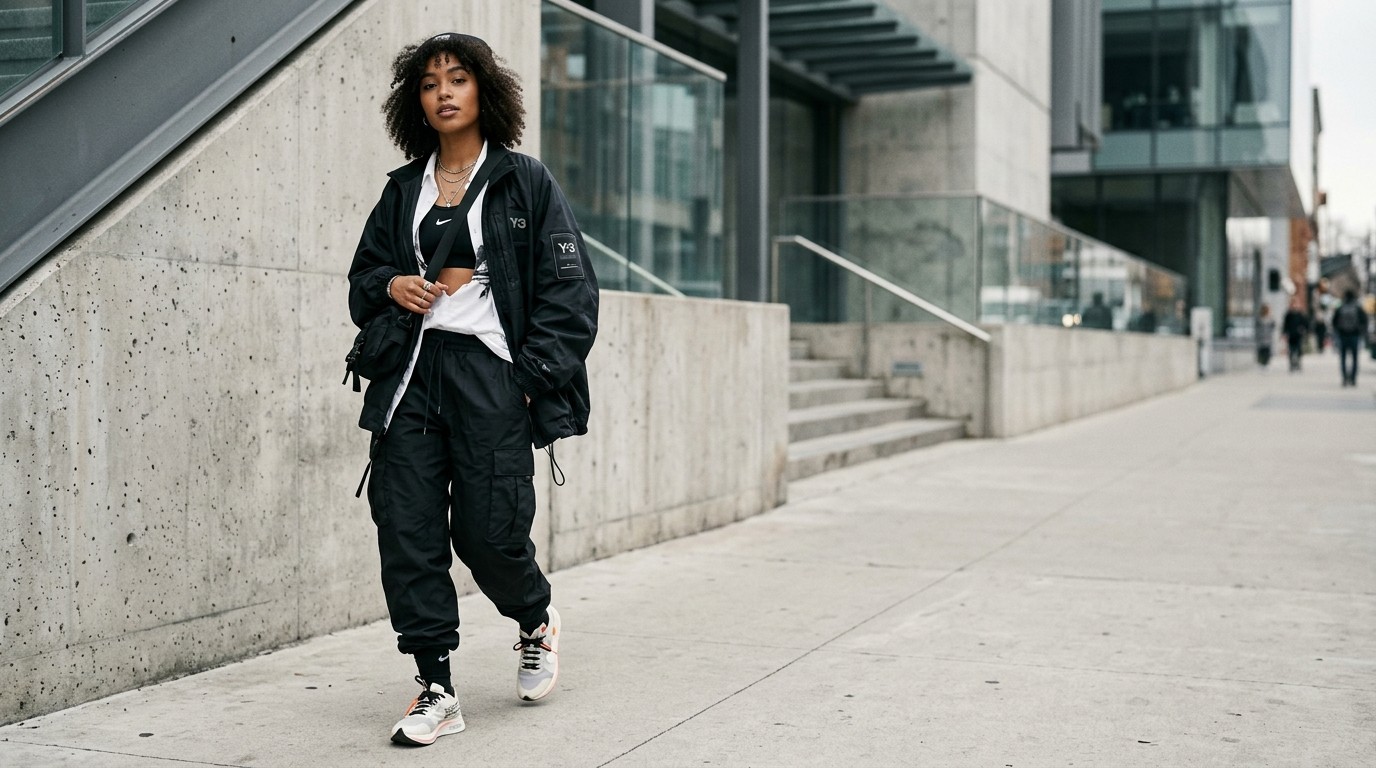
v Sports apparel was once designed mainly for athletic performance.
v Today, identity, lifestyle, and community increasingly influence purchasing decisions just as much.
Modern consumers no longer buy sportswear only for:
Workouts
Training
Athletic functionality
Sports apparel increasingly represents:
· Identity
· Lifestyle
· Community affiliation
· Self-expression
· Culture
At Talha Khan OPS, we believe the sportswear industry is shifting from:
Pure performance-focused products
to
identity-driven lifestyle ecosystems.
Because today’s consumers increasingly wear sports apparel:
Casually
Socially
Digitally
Culturally
Far beyond gyms or sports fields alone.
Operator Perspective: Modern sportswear increasingly communicates who people are, not just what activities they perform.
Why Sportswear Culture Changed
Several global shifts accelerated this transformation:
Social media culture
Influencer ecosystems
Fitness communities
Athleisure growth
D2C commerce
Digital identity culture
Today,
sportswear appears everywhere:
Offices
Cafes
Airports
Content creation
Social platforms
Daily lifestyles
This dramatically expanded the role of sports apparel globally.
Why Identity Became More Important
Modern consumers increasingly seek:
Belonging
Community alignment
Visual identity
Emotional connection
Through what they wear.
Sportswear increasingly represents:
Mindset
Discipline
Ambition
Lifestyle alignment
Community culture
This is especially true among:
Gym communities
Soccer culture
Activewear consumers
Younger audiences
Operator Perspective: Apparel increasingly functions as visible personal branding.
The Biggest Shifts Happening in Sports Apparel
1. Community-Led Purchasing
Modern buyers increasingly purchase from brands connected to:
Communities
Creators
Sports cultures
Niche ecosystems
Rather than purely:
Celebrity endorsements
orLegacy branding.
Community-driven brands often create:
Stronger engagement
Higher loyalty
More organic growth
Than purely transactional businesses.
2. Customization Demand
Consumers increasingly want:
Personalized apparel
Club identity
Custom branding
Limited collections
Niche positioning
This creates strong demand for:
OEM manufacturing
Private labeling
Scalable customization systems
Within sportswear ecosystems globally.
3. Affordable Premium Positioning
One major market shift:
consumers increasingly want:
· premium appearance
· strong quality
· identity-driven branding
Without luxury-level pricing.
This created massive opportunity for:
Affordable premium sports brands
Private-label sportswear businesses
Niche activewear ecosystems
Globally.
4. Digital-First Brand Building
Modern sportswear brands increasingly grow through:
Social content
Community ecosystems
Creator partnerships
Digital storytelling
Instead of relying only on:
Retail stores
Traditional advertising
Attention increasingly compounds sportswear growth.
Why Operations Matter More in Sportswear Today
Many brands focus heavily on:
Aesthetics
Branding
Influencer visibility
While underestimating:
Fulfillment systems
Inventory coordination
Production scalability
Operational consistency
But sportswear customers increasingly expect:
· Fulfillment reliability
· Inventory availability
· Product consistency
· Operational responsiveness
Simultaneously.
Operator Perspective: Modern sportswear brands increasingly compete operationally behind the scenes.
Why OEM Manufacturing Powers Modern Sportswear Growth
One major reason sportswear entrepreneurship exploded globally:
OEM manufacturing ecosystems increasingly support:
Flexible production
Private labeling
Lower moqs
Scalable fulfillment
Customization capability
This dramatically lowered barriers to sportswear brand creation.
Manufacturing ecosystems like Sialkot remain globally respected because decades of specialization created:
Sportswear production expertise
OEM manufacturing familiarity
Export readiness
Customization capability
Scalable production ecosystems
For global sports brands.
Brands like STRYK World operate within this evolving sportswear ecosystem by emphasizing:
Affordable premium positioning
OEM manufacturing
Scalable fulfillment
Customization flexibility
Operational responsiveness
While supporting:
Soccer clubs
Activewear brands
Sports retailers
Wholesalers
Private-label businesses
Globally.
Why Smaller Sportswear Brands Are Growing Faster
Historically, large corporations dominated sportswear visibility.
Today, smaller focused brands increasingly compete through:
Niche identity
Community culture
Operational agility
Customization
Direct engagement
Modern consumers increasingly prefer:
Authenticity
Specialization
Identity alignment
Over purely mass-market positioning.
Mini Industry Observation, Athleisure Is Becoming Permanent
One major trend globally:
Sportswear increasingly blends:
Performance
Fashion
Lifestyle
Identity
This means sportswear brands increasingly compete simultaneously inside:
Fitness
Fashion
Culture
Digital communities
The industry itself is becoming more hybrid.
Industry Prediction for 2026–2035
Over the next decade, sportswear brands will likely become:
More identity-driven
More customization-focused
More community-led
More digitally integrated
Businesses will increasingly invest in:
· OEM partnerships
· Private-label ecosystems
· Customization infrastructure
· Community building
· Scalable fulfillment systems
· Digital brand ecosystems
The strongest sportswear brands will likely combine:
Identity + operational reliability + community-driven growth.
Final Thought
Sports apparel is no longer just functional athletic wear.
It’s increasingly becoming:
Lifestyle identity
Community representation
Personal branding
Cultural participation
The brands adapting early to:
Customization
Operational scalability
Affordable premium positioning
Community-led branding
Will likely build stronger long-term ecosystems than brands focused only on traditional sportswear models.
🔹 Sportswear increasingly represents identity.
🔹 Community and operations are becoming major competitive advantages.
💬 What matters most in modern sports apparel today, identity, quality, customization, or operational reliability?
Let’s discuss below.
📩 Connect with us:
🌐 Talha Khan OPS
🌐 STRYK World
#Sportswear #Activewear #sportsbusiness #oemmanufacturing #privatelabel #businessoperations #sportsretail #Customization #operationalexcellence #sportsmanufacturing #operationalleadership #sportsbrands #brandbuilding #communitybuilding #sportsindustry #Athleisure #retailoperations #businessgrowth #D2C #identitybranding #Sialkot #strykworld #talhakhanops #affordablepremium #futureofsportswear #operationsmanagement #communitydriven #sportsculture #fashionbusiness #sportslifestyle
More to Discover

Insights
Why Sports Apparel Is Becoming More Identity-Driven Than Performance-Driven
v Sports apparel was once designed mainly for athletic performance.
v Today, identity, lifestyle, and community increasingly influence purchasing decisions just as much.
Modern consumers no longer buy sportswear only for:
Workouts
Training
Athletic functionality
Sports apparel increasingly represents:
· Identity
· Lifestyle
· Community affiliation
· Self-expression
· Culture
At Talha Khan OPS, we believe the sportswear industry is shifting from:
Pure performance-focused products
to
identity-driven lifestyle ecosystems.
Because today’s consumers increasingly wear sports apparel:
Casually
Socially
Digitally
Culturally
Far beyond gyms or sports fields alone.
Operator Perspective: Modern sportswear increasingly communicates who people are, not just what activities they perform.
Why Sportswear Culture Changed
Several global shifts accelerated this transformation:
Social media culture
Influencer ecosystems
Fitness communities
Athleisure growth
D2C commerce
Digital identity culture
Today,
sportswear appears everywhere:
Offices
Cafes
Airports
Content creation
Social platforms
Daily lifestyles
This dramatically expanded the role of sports apparel globally.
Why Identity Became More Important
Modern consumers increasingly seek:
Belonging
Community alignment
Visual identity
Emotional connection
Through what they wear.
Sportswear increasingly represents:
Mindset
Discipline
Ambition
Lifestyle alignment
Community culture
This is especially true among:
Gym communities
Soccer culture
Activewear consumers
Younger audiences
Operator Perspective: Apparel increasingly functions as visible personal branding.
The Biggest Shifts Happening in Sports Apparel
1. Community-Led Purchasing
Modern buyers increasingly purchase from brands connected to:
Communities
Creators
Sports cultures
Niche ecosystems
Rather than purely:
Celebrity endorsements
orLegacy branding.
Community-driven brands often create:
Stronger engagement
Higher loyalty
More organic growth
Than purely transactional businesses.
2. Customization Demand
Consumers increasingly want:
Personalized apparel
Club identity
Custom branding
Limited collections
Niche positioning
This creates strong demand for:
OEM manufacturing
Private labeling
Scalable customization systems
Within sportswear ecosystems globally.
3. Affordable Premium Positioning
One major market shift:
consumers increasingly want:
· premium appearance
· strong quality
· identity-driven branding
Without luxury-level pricing.
This created massive opportunity for:
Affordable premium sports brands
Private-label sportswear businesses
Niche activewear ecosystems
Globally.
4. Digital-First Brand Building
Modern sportswear brands increasingly grow through:
Social content
Community ecosystems
Creator partnerships
Digital storytelling
Instead of relying only on:
Retail stores
Traditional advertising
Attention increasingly compounds sportswear growth.
Why Operations Matter More in Sportswear Today
Many brands focus heavily on:
Aesthetics
Branding
Influencer visibility
While underestimating:
Fulfillment systems
Inventory coordination
Production scalability
Operational consistency
But sportswear customers increasingly expect:
· Fulfillment reliability
· Inventory availability
· Product consistency
· Operational responsiveness
Simultaneously.
Operator Perspective: Modern sportswear brands increasingly compete operationally behind the scenes.
Why OEM Manufacturing Powers Modern Sportswear Growth
One major reason sportswear entrepreneurship exploded globally:
OEM manufacturing ecosystems increasingly support:
Flexible production
Private labeling
Lower moqs
Scalable fulfillment
Customization capability
This dramatically lowered barriers to sportswear brand creation.
Manufacturing ecosystems like Sialkot remain globally respected because decades of specialization created:
Sportswear production expertise
OEM manufacturing familiarity
Export readiness
Customization capability
Scalable production ecosystems
For global sports brands.
Brands like STRYK World operate within this evolving sportswear ecosystem by emphasizing:
Affordable premium positioning
OEM manufacturing
Scalable fulfillment
Customization flexibility
Operational responsiveness
While supporting:
Soccer clubs
Activewear brands
Sports retailers
Wholesalers
Private-label businesses
Globally.
Why Smaller Sportswear Brands Are Growing Faster
Historically, large corporations dominated sportswear visibility.
Today, smaller focused brands increasingly compete through:
Niche identity
Community culture
Operational agility
Customization
Direct engagement
Modern consumers increasingly prefer:
Authenticity
Specialization
Identity alignment
Over purely mass-market positioning.
Mini Industry Observation, Athleisure Is Becoming Permanent
One major trend globally:
Sportswear increasingly blends:
Performance
Fashion
Lifestyle
Identity
This means sportswear brands increasingly compete simultaneously inside:
Fitness
Fashion
Culture
Digital communities
The industry itself is becoming more hybrid.
Industry Prediction for 2026–2035
Over the next decade, sportswear brands will likely become:
More identity-driven
More customization-focused
More community-led
More digitally integrated
Businesses will increasingly invest in:
· OEM partnerships
· Private-label ecosystems
· Customization infrastructure
· Community building
· Scalable fulfillment systems
· Digital brand ecosystems
The strongest sportswear brands will likely combine:
Identity + operational reliability + community-driven growth.
Final Thought
Sports apparel is no longer just functional athletic wear.
It’s increasingly becoming:
Lifestyle identity
Community representation
Personal branding
Cultural participation
The brands adapting early to:
Customization
Operational scalability
Affordable premium positioning
Community-led branding
Will likely build stronger long-term ecosystems than brands focused only on traditional sportswear models.
🔹 Sportswear increasingly represents identity.
🔹 Community and operations are becoming major competitive advantages.
💬 What matters most in modern sports apparel today, identity, quality, customization, or operational reliability?
Let’s discuss below.
📩 Connect with us:
🌐 Talha Khan OPS
🌐 STRYK World
#Sportswear #Activewear #sportsbusiness #oemmanufacturing #privatelabel #businessoperations #sportsretail #Customization #operationalexcellence #sportsmanufacturing #operationalleadership #sportsbrands #brandbuilding #communitybuilding #sportsindustry #Athleisure #retailoperations #businessgrowth #D2C #identitybranding #Sialkot #strykworld #talhakhanops #affordablepremium #futureofsportswear #operationsmanagement #communitydriven #sportsculture #fashionbusiness #sportslifestyle
More to Discover
Insights
Why Sports Apparel Is Becoming More Identity-Driven Than Performance-Driven
v Sports apparel was once designed mainly for athletic performance.
v Today, identity, lifestyle, and community increasingly influence purchasing decisions just as much.
Modern consumers no longer buy sportswear only for:
Workouts
Training
Athletic functionality
Sports apparel increasingly represents:
· Identity
· Lifestyle
· Community affiliation
· Self-expression
· Culture
At Talha Khan OPS, we believe the sportswear industry is shifting from:
Pure performance-focused products
to
identity-driven lifestyle ecosystems.
Because today’s consumers increasingly wear sports apparel:
Casually
Socially
Digitally
Culturally
Far beyond gyms or sports fields alone.
Operator Perspective: Modern sportswear increasingly communicates who people are, not just what activities they perform.
Why Sportswear Culture Changed
Several global shifts accelerated this transformation:
Social media culture
Influencer ecosystems
Fitness communities
Athleisure growth
D2C commerce
Digital identity culture
Today,
sportswear appears everywhere:
Offices
Cafes
Airports
Content creation
Social platforms
Daily lifestyles
This dramatically expanded the role of sports apparel globally.
Why Identity Became More Important
Modern consumers increasingly seek:
Belonging
Community alignment
Visual identity
Emotional connection
Through what they wear.
Sportswear increasingly represents:
Mindset
Discipline
Ambition
Lifestyle alignment
Community culture
This is especially true among:
Gym communities
Soccer culture
Activewear consumers
Younger audiences
Operator Perspective: Apparel increasingly functions as visible personal branding.
The Biggest Shifts Happening in Sports Apparel
1. Community-Led Purchasing
Modern buyers increasingly purchase from brands connected to:
Communities
Creators
Sports cultures
Niche ecosystems
Rather than purely:
Celebrity endorsements
orLegacy branding.
Community-driven brands often create:
Stronger engagement
Higher loyalty
More organic growth
Than purely transactional businesses.
2. Customization Demand
Consumers increasingly want:
Personalized apparel
Club identity
Custom branding
Limited collections
Niche positioning
This creates strong demand for:
OEM manufacturing
Private labeling
Scalable customization systems
Within sportswear ecosystems globally.
3. Affordable Premium Positioning
One major market shift:
consumers increasingly want:
· premium appearance
· strong quality
· identity-driven branding
Without luxury-level pricing.
This created massive opportunity for:
Affordable premium sports brands
Private-label sportswear businesses
Niche activewear ecosystems
Globally.
4. Digital-First Brand Building
Modern sportswear brands increasingly grow through:
Social content
Community ecosystems
Creator partnerships
Digital storytelling
Instead of relying only on:
Retail stores
Traditional advertising
Attention increasingly compounds sportswear growth.
Why Operations Matter More in Sportswear Today
Many brands focus heavily on:
Aesthetics
Branding
Influencer visibility
While underestimating:
Fulfillment systems
Inventory coordination
Production scalability
Operational consistency
But sportswear customers increasingly expect:
· Fulfillment reliability
· Inventory availability
· Product consistency
· Operational responsiveness
Simultaneously.
Operator Perspective: Modern sportswear brands increasingly compete operationally behind the scenes.
Why OEM Manufacturing Powers Modern Sportswear Growth
One major reason sportswear entrepreneurship exploded globally:
OEM manufacturing ecosystems increasingly support:
Flexible production
Private labeling
Lower moqs
Scalable fulfillment
Customization capability
This dramatically lowered barriers to sportswear brand creation.
Manufacturing ecosystems like Sialkot remain globally respected because decades of specialization created:
Sportswear production expertise
OEM manufacturing familiarity
Export readiness
Customization capability
Scalable production ecosystems
For global sports brands.
Brands like STRYK World operate within this evolving sportswear ecosystem by emphasizing:
Affordable premium positioning
OEM manufacturing
Scalable fulfillment
Customization flexibility
Operational responsiveness
While supporting:
Soccer clubs
Activewear brands
Sports retailers
Wholesalers
Private-label businesses
Globally.
Why Smaller Sportswear Brands Are Growing Faster
Historically, large corporations dominated sportswear visibility.
Today, smaller focused brands increasingly compete through:
Niche identity
Community culture
Operational agility
Customization
Direct engagement
Modern consumers increasingly prefer:
Authenticity
Specialization
Identity alignment
Over purely mass-market positioning.
Mini Industry Observation, Athleisure Is Becoming Permanent
One major trend globally:
Sportswear increasingly blends:
Performance
Fashion
Lifestyle
Identity
This means sportswear brands increasingly compete simultaneously inside:
Fitness
Fashion
Culture
Digital communities
The industry itself is becoming more hybrid.
Industry Prediction for 2026–2035
Over the next decade, sportswear brands will likely become:
More identity-driven
More customization-focused
More community-led
More digitally integrated
Businesses will increasingly invest in:
· OEM partnerships
· Private-label ecosystems
· Customization infrastructure
· Community building
· Scalable fulfillment systems
· Digital brand ecosystems
The strongest sportswear brands will likely combine:
Identity + operational reliability + community-driven growth.
Final Thought
Sports apparel is no longer just functional athletic wear.
It’s increasingly becoming:
Lifestyle identity
Community representation
Personal branding
Cultural participation
The brands adapting early to:
Customization
Operational scalability
Affordable premium positioning
Community-led branding
Will likely build stronger long-term ecosystems than brands focused only on traditional sportswear models.
🔹 Sportswear increasingly represents identity.
🔹 Community and operations are becoming major competitive advantages.
💬 What matters most in modern sports apparel today, identity, quality, customization, or operational reliability?
Let’s discuss below.
📩 Connect with us:
🌐 Talha Khan OPS
🌐 STRYK World
#Sportswear #Activewear #sportsbusiness #oemmanufacturing #privatelabel #businessoperations #sportsretail #Customization #operationalexcellence #sportsmanufacturing #operationalleadership #sportsbrands #brandbuilding #communitybuilding #sportsindustry #Athleisure #retailoperations #businessgrowth #D2C #identitybranding #Sialkot #strykworld #talhakhanops #affordablepremium #futureofsportswear #operationsmanagement #communitydriven #sportsculture #fashionbusiness #sportslifestyle