Insights
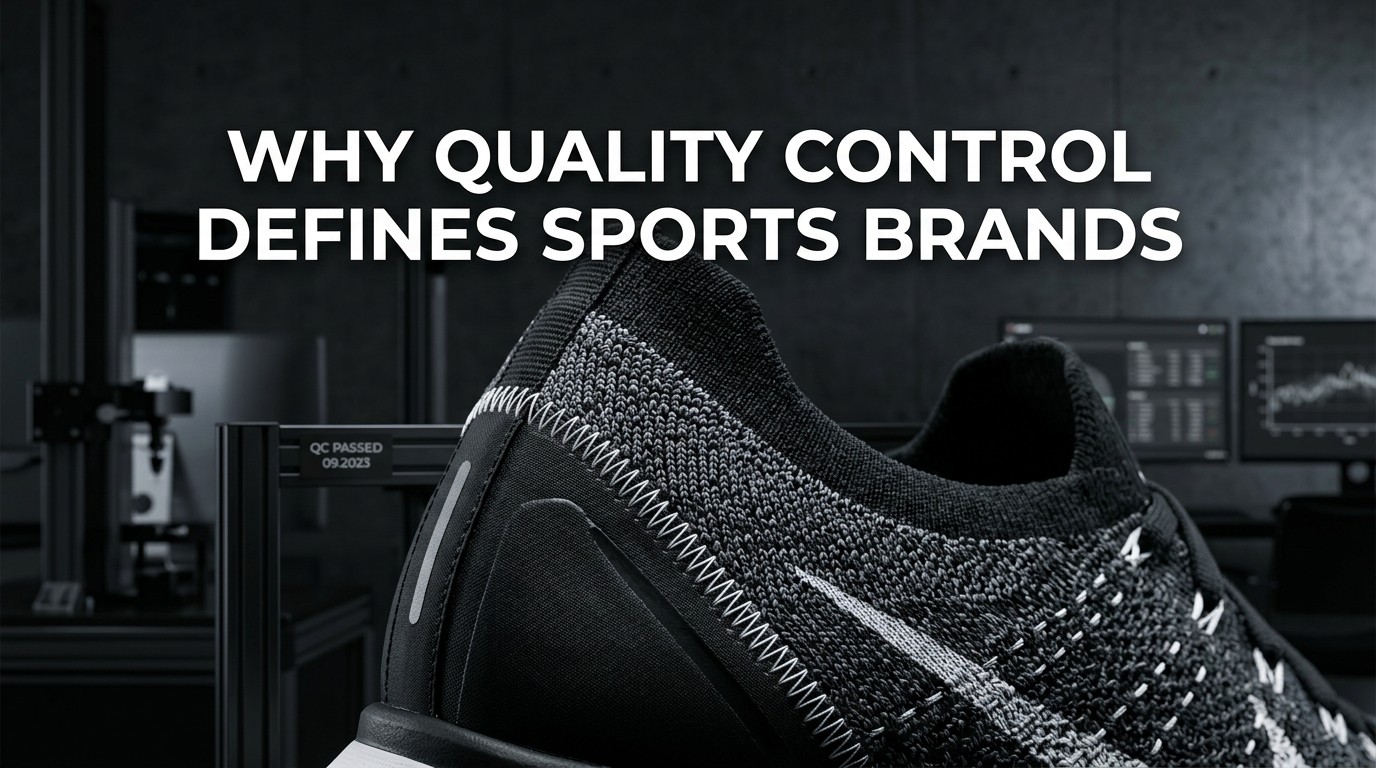
Why Quality Control Defines Sports Brands
🔹 Great branding may attract customers once.
🔹 Consistent product quality is what keeps them coming back.
In the sports industry, branding gets enormous attention.
Companies invest heavily into:
Marketing campaigns
Athlete sponsorships
Packaging
Social media
Influencer partnerships
But behind every respected sports brand lies something much more operational:
quality consistency.
Because in sports products,
customers quickly notice:
Weak stitching
Poor durability
Material inconsistency
Sizing issues
Printing defects
Product failure
And in modern digital markets,
those experiences spread publicly very fast.
At Talha Khan OPS, we believe quality control is becoming one of the most important operational differentiators across:
Sportswear
Football manufacturing
Athletic accessories
Oem production
Private-label sports products
because modern consumers increasingly expect:
· Premium feel
· Durability
· Consistency
· Operational reliability
even at affordable pricing levels.
Operator Perspective:
In sports manufacturing, operational inconsistency becomes visible immediately.
Why Quality Control Matters More Than Ever
Modern sports markets are highly competitive.
Customers today have access to:
· Endless alternatives
· Global suppliers
· Online reviews
· Social recommendations
· Direct-to-consumer brands
This means:
poor quality no longer stays hidden.
One inconsistent production batch can damage:
· Customer trust
· Retailer confidence
· Wholesale relationships
· Online reputation
· Long-term retention
Quality itself becomes brand reputation.
The Biggest Quality Control Mistakes Sports Brands Make
1. Prioritizing Cost Over Consistency
Some businesses aggressively pursue:
· Ultra-low production pricing
· Cheapest materials
· Rushed manufacturing timelines
without protecting:
· Quality standards
· Inspection processes
· Consistency controls
Initially,
cost savings may appear attractive.
But operationally,
poor quality often creates:
· Product returns
· Customer complaints
· Replacement costs
· Reputation damage
Operator Perspective:
Cheap production becomes expensive when quality fails publicly.
2. Weak Production Oversight
Many growing brands underestimate how much operational oversight manufacturing requires.
Without structured quality systems:
· Stitching varies
· Sizing becomes inconsistent
· Materials fluctuate
· Branding alignment weakens
This becomes especially dangerous in:
· Private labeling
· Oem manufacturing
· Customized products
where consistency directly affects brand credibility.
3. Scaling Faster Than Quality Systems
As production volume increases,
quality complexity increases too.
More orders create:
· Workflow pressure
· Production variation
· Inspection challenges
· Fulfillment stress
Operational discipline becomes increasingly important during scaling.
The strongest brands scale:
· Systems
· Inspection workflows
· Production coordination
alongside sales growth.
Why Sports Products Require Higher Operational Precision
Sports products face intense physical usage.
Customers expect:
· Footballs to maintain shape
· Apparel to withstand training
· Stitching to remain durable
· Prints to resist fading
· Accessories to perform consistently
This creates higher operational pressure on manufacturers compared to many other retail categories.
Quality failures become immediately noticeable during:
· Gameplay
· Training
· Washing
· Performance use
This is why sports manufacturing depends heavily on:
· Testing standards
· Production discipline
· Material consistency
· Inspection workflows
· Operational coordination
throughout manufacturing cycles.
Why Sialkot Became Globally Respected
Manufacturing ecosystems like Sialkot gained international recognition largely because of:
· Sports manufacturing specialization
· Craftsmanship expertise
· Production experience
· Operational familiarity
· Export capability
particularly in:
· Football manufacturing
· Sportswear
· Gloves
· Custom athletic products
Global buyers increasingly value suppliers capable of balancing:
· Quality
· Customization
· Scalability
· Operational consistency
simultaneously.
Brands like STRYK World operate within this environment by emphasizing:
Affordable premium positioning
Quality-focused manufacturing
OEM flexibility
Customization capability
Export-ready operations
while serving:
Soccer clubs
Sports retailers
Wholesalers
Distributors
Private-label brands
globally.
Why Quality Control Is Becoming Strategic
One major shift globally:
quality control is no longer viewed only as:
a production function.
It’s becoming:
a business growth function.
Because consistent quality directly affects:
Customer retention
Online reviews
Repeat purchasing
Wholesale confidence
Operational reputation
Operator Perspective:
Great operations quietly build trust through consistency.
Mini Industry Observation, Customers Remember Inconsistency
Customers may forget advertisements.
But they remember:
· Defective products
· Inconsistent sizing
· Poor durability
· Operational unreliability
especially in sports products where performance expectations are high.
Operational consistency itself becomes marketing.
Industry Prediction for 2026–2035
Over the next decade,
sports manufacturing quality standards will likely become:
· More technology-driven
· More inspection-focused
· More data-supported
· More operationally integrated
Buyers will increasingly evaluate manufacturers based on:
· Quality consistency
· Testing capability
· Operational transparency
· Fulfillment reliability
· Production discipline
not just pricing.
The strongest sports brands will likely combine:
branding + operational quality consistency.
Final Thought
Branding may create visibility.
But quality control is what creates long-term trust.
The sports brands surviving long-term will likely be the businesses capable of maintaining:
Operational discipline
Production consistency
Scalable quality systems
even while growing aggressively.
🔹 Customers buy brands initially.
🔹 They stay because of consistent product quality.
What matters most in sports products today, durability, consistency, design, or operational reliability?
Let’s discuss below.
📩 Connect with us:
🌐 Talha Khan OPS
🌐 STRYK World
#QualityControl #SportsManufacturing #OEMManufacturing #PrivateLabel #Sportswear #FootballManufacturing #BusinessOperations #OperationalExcellence #SportsBusiness #Manufacturing #SupplyChain #SportsRetail #CustomApparel #OperationalLeadership #InventoryManagement #RetailOperations #SportsBrands #WholesaleSports #Customization #BusinessGrowth #ManufacturingStrategy #Sialkot #ExportBusiness #STRYKWorld #TalhaKhanOPS #SportsIndustry #OperationalDiscipline #ProductQuality #ManufacturingExcellence #FutureOfSportsBusiness
More to Discover


Insights
Why Quality Control Defines Sports Brands
🔹 Great branding may attract customers once.
🔹 Consistent product quality is what keeps them coming back.
In the sports industry, branding gets enormous attention.
Companies invest heavily into:
Marketing campaigns
Athlete sponsorships
Packaging
Social media
Influencer partnerships
But behind every respected sports brand lies something much more operational:
quality consistency.
Because in sports products,
customers quickly notice:
Weak stitching
Poor durability
Material inconsistency
Sizing issues
Printing defects
Product failure
And in modern digital markets,
those experiences spread publicly very fast.
At Talha Khan OPS, we believe quality control is becoming one of the most important operational differentiators across:
Sportswear
Football manufacturing
Athletic accessories
Oem production
Private-label sports products
because modern consumers increasingly expect:
· Premium feel
· Durability
· Consistency
· Operational reliability
even at affordable pricing levels.
Operator Perspective:
In sports manufacturing, operational inconsistency becomes visible immediately.
Why Quality Control Matters More Than Ever
Modern sports markets are highly competitive.
Customers today have access to:
· Endless alternatives
· Global suppliers
· Online reviews
· Social recommendations
· Direct-to-consumer brands
This means:
poor quality no longer stays hidden.
One inconsistent production batch can damage:
· Customer trust
· Retailer confidence
· Wholesale relationships
· Online reputation
· Long-term retention
Quality itself becomes brand reputation.
The Biggest Quality Control Mistakes Sports Brands Make
1. Prioritizing Cost Over Consistency
Some businesses aggressively pursue:
· Ultra-low production pricing
· Cheapest materials
· Rushed manufacturing timelines
without protecting:
· Quality standards
· Inspection processes
· Consistency controls
Initially,
cost savings may appear attractive.
But operationally,
poor quality often creates:
· Product returns
· Customer complaints
· Replacement costs
· Reputation damage
Operator Perspective:
Cheap production becomes expensive when quality fails publicly.
2. Weak Production Oversight
Many growing brands underestimate how much operational oversight manufacturing requires.
Without structured quality systems:
· Stitching varies
· Sizing becomes inconsistent
· Materials fluctuate
· Branding alignment weakens
This becomes especially dangerous in:
· Private labeling
· Oem manufacturing
· Customized products
where consistency directly affects brand credibility.
3. Scaling Faster Than Quality Systems
As production volume increases,
quality complexity increases too.
More orders create:
· Workflow pressure
· Production variation
· Inspection challenges
· Fulfillment stress
Operational discipline becomes increasingly important during scaling.
The strongest brands scale:
· Systems
· Inspection workflows
· Production coordination
alongside sales growth.
Why Sports Products Require Higher Operational Precision
Sports products face intense physical usage.
Customers expect:
· Footballs to maintain shape
· Apparel to withstand training
· Stitching to remain durable
· Prints to resist fading
· Accessories to perform consistently
This creates higher operational pressure on manufacturers compared to many other retail categories.
Quality failures become immediately noticeable during:
· Gameplay
· Training
· Washing
· Performance use
This is why sports manufacturing depends heavily on:
· Testing standards
· Production discipline
· Material consistency
· Inspection workflows
· Operational coordination
throughout manufacturing cycles.
Why Sialkot Became Globally Respected
Manufacturing ecosystems like Sialkot gained international recognition largely because of:
· Sports manufacturing specialization
· Craftsmanship expertise
· Production experience
· Operational familiarity
· Export capability
particularly in:
· Football manufacturing
· Sportswear
· Gloves
· Custom athletic products
Global buyers increasingly value suppliers capable of balancing:
· Quality
· Customization
· Scalability
· Operational consistency
simultaneously.
Brands like STRYK World operate within this environment by emphasizing:
Affordable premium positioning
Quality-focused manufacturing
OEM flexibility
Customization capability
Export-ready operations
while serving:
Soccer clubs
Sports retailers
Wholesalers
Distributors
Private-label brands
globally.
Why Quality Control Is Becoming Strategic
One major shift globally:
quality control is no longer viewed only as:
a production function.
It’s becoming:
a business growth function.
Because consistent quality directly affects:
Customer retention
Online reviews
Repeat purchasing
Wholesale confidence
Operational reputation
Operator Perspective:
Great operations quietly build trust through consistency.
Mini Industry Observation, Customers Remember Inconsistency
Customers may forget advertisements.
But they remember:
· Defective products
· Inconsistent sizing
· Poor durability
· Operational unreliability
especially in sports products where performance expectations are high.
Operational consistency itself becomes marketing.
Industry Prediction for 2026–2035
Over the next decade,
sports manufacturing quality standards will likely become:
· More technology-driven
· More inspection-focused
· More data-supported
· More operationally integrated
Buyers will increasingly evaluate manufacturers based on:
· Quality consistency
· Testing capability
· Operational transparency
· Fulfillment reliability
· Production discipline
not just pricing.
The strongest sports brands will likely combine:
branding + operational quality consistency.
Final Thought
Branding may create visibility.
But quality control is what creates long-term trust.
The sports brands surviving long-term will likely be the businesses capable of maintaining:
Operational discipline
Production consistency
Scalable quality systems
even while growing aggressively.
🔹 Customers buy brands initially.
🔹 They stay because of consistent product quality.
What matters most in sports products today, durability, consistency, design, or operational reliability?
Let’s discuss below.
📩 Connect with us:
🌐 Talha Khan OPS
🌐 STRYK World
#QualityControl #SportsManufacturing #OEMManufacturing #PrivateLabel #Sportswear #FootballManufacturing #BusinessOperations #OperationalExcellence #SportsBusiness #Manufacturing #SupplyChain #SportsRetail #CustomApparel #OperationalLeadership #InventoryManagement #RetailOperations #SportsBrands #WholesaleSports #Customization #BusinessGrowth #ManufacturingStrategy #Sialkot #ExportBusiness #STRYKWorld #TalhaKhanOPS #SportsIndustry #OperationalDiscipline #ProductQuality #ManufacturingExcellence #FutureOfSportsBusiness
More to Discover
Insights
Why Quality Control Defines Sports Brands
🔹 Great branding may attract customers once.
🔹 Consistent product quality is what keeps them coming back.
In the sports industry, branding gets enormous attention.
Companies invest heavily into:
Marketing campaigns
Athlete sponsorships
Packaging
Social media
Influencer partnerships
But behind every respected sports brand lies something much more operational:
quality consistency.
Because in sports products,
customers quickly notice:
Weak stitching
Poor durability
Material inconsistency
Sizing issues
Printing defects
Product failure
And in modern digital markets,
those experiences spread publicly very fast.
At Talha Khan OPS, we believe quality control is becoming one of the most important operational differentiators across:
Sportswear
Football manufacturing
Athletic accessories
Oem production
Private-label sports products
because modern consumers increasingly expect:
· Premium feel
· Durability
· Consistency
· Operational reliability
even at affordable pricing levels.
Operator Perspective:
In sports manufacturing, operational inconsistency becomes visible immediately.
Why Quality Control Matters More Than Ever
Modern sports markets are highly competitive.
Customers today have access to:
· Endless alternatives
· Global suppliers
· Online reviews
· Social recommendations
· Direct-to-consumer brands
This means:
poor quality no longer stays hidden.
One inconsistent production batch can damage:
· Customer trust
· Retailer confidence
· Wholesale relationships
· Online reputation
· Long-term retention
Quality itself becomes brand reputation.
The Biggest Quality Control Mistakes Sports Brands Make
1. Prioritizing Cost Over Consistency
Some businesses aggressively pursue:
· Ultra-low production pricing
· Cheapest materials
· Rushed manufacturing timelines
without protecting:
· Quality standards
· Inspection processes
· Consistency controls
Initially,
cost savings may appear attractive.
But operationally,
poor quality often creates:
· Product returns
· Customer complaints
· Replacement costs
· Reputation damage
Operator Perspective:
Cheap production becomes expensive when quality fails publicly.
2. Weak Production Oversight
Many growing brands underestimate how much operational oversight manufacturing requires.
Without structured quality systems:
· Stitching varies
· Sizing becomes inconsistent
· Materials fluctuate
· Branding alignment weakens
This becomes especially dangerous in:
· Private labeling
· Oem manufacturing
· Customized products
where consistency directly affects brand credibility.
3. Scaling Faster Than Quality Systems
As production volume increases,
quality complexity increases too.
More orders create:
· Workflow pressure
· Production variation
· Inspection challenges
· Fulfillment stress
Operational discipline becomes increasingly important during scaling.
The strongest brands scale:
· Systems
· Inspection workflows
· Production coordination
alongside sales growth.
Why Sports Products Require Higher Operational Precision
Sports products face intense physical usage.
Customers expect:
· Footballs to maintain shape
· Apparel to withstand training
· Stitching to remain durable
· Prints to resist fading
· Accessories to perform consistently
This creates higher operational pressure on manufacturers compared to many other retail categories.
Quality failures become immediately noticeable during:
· Gameplay
· Training
· Washing
· Performance use
This is why sports manufacturing depends heavily on:
· Testing standards
· Production discipline
· Material consistency
· Inspection workflows
· Operational coordination
throughout manufacturing cycles.
Why Sialkot Became Globally Respected
Manufacturing ecosystems like Sialkot gained international recognition largely because of:
· Sports manufacturing specialization
· Craftsmanship expertise
· Production experience
· Operational familiarity
· Export capability
particularly in:
· Football manufacturing
· Sportswear
· Gloves
· Custom athletic products
Global buyers increasingly value suppliers capable of balancing:
· Quality
· Customization
· Scalability
· Operational consistency
simultaneously.
Brands like STRYK World operate within this environment by emphasizing:
Affordable premium positioning
Quality-focused manufacturing
OEM flexibility
Customization capability
Export-ready operations
while serving:
Soccer clubs
Sports retailers
Wholesalers
Distributors
Private-label brands
globally.
Why Quality Control Is Becoming Strategic
One major shift globally:
quality control is no longer viewed only as:
a production function.
It’s becoming:
a business growth function.
Because consistent quality directly affects:
Customer retention
Online reviews
Repeat purchasing
Wholesale confidence
Operational reputation
Operator Perspective:
Great operations quietly build trust through consistency.
Mini Industry Observation, Customers Remember Inconsistency
Customers may forget advertisements.
But they remember:
· Defective products
· Inconsistent sizing
· Poor durability
· Operational unreliability
especially in sports products where performance expectations are high.
Operational consistency itself becomes marketing.
Industry Prediction for 2026–2035
Over the next decade,
sports manufacturing quality standards will likely become:
· More technology-driven
· More inspection-focused
· More data-supported
· More operationally integrated
Buyers will increasingly evaluate manufacturers based on:
· Quality consistency
· Testing capability
· Operational transparency
· Fulfillment reliability
· Production discipline
not just pricing.
The strongest sports brands will likely combine:
branding + operational quality consistency.
Final Thought
Branding may create visibility.
But quality control is what creates long-term trust.
The sports brands surviving long-term will likely be the businesses capable of maintaining:
Operational discipline
Production consistency
Scalable quality systems
even while growing aggressively.
🔹 Customers buy brands initially.
🔹 They stay because of consistent product quality.
What matters most in sports products today, durability, consistency, design, or operational reliability?
Let’s discuss below.
📩 Connect with us:
🌐 Talha Khan OPS
🌐 STRYK World
#QualityControl #SportsManufacturing #OEMManufacturing #PrivateLabel #Sportswear #FootballManufacturing #BusinessOperations #OperationalExcellence #SportsBusiness #Manufacturing #SupplyChain #SportsRetail #CustomApparel #OperationalLeadership #InventoryManagement #RetailOperations #SportsBrands #WholesaleSports #Customization #BusinessGrowth #ManufacturingStrategy #Sialkot #ExportBusiness #STRYKWorld #TalhaKhanOPS #SportsIndustry #OperationalDiscipline #ProductQuality #ManufacturingExcellence #FutureOfSportsBusiness