Insights
Why Modern Manufacturing Needs Both Technology and Craftsmanship
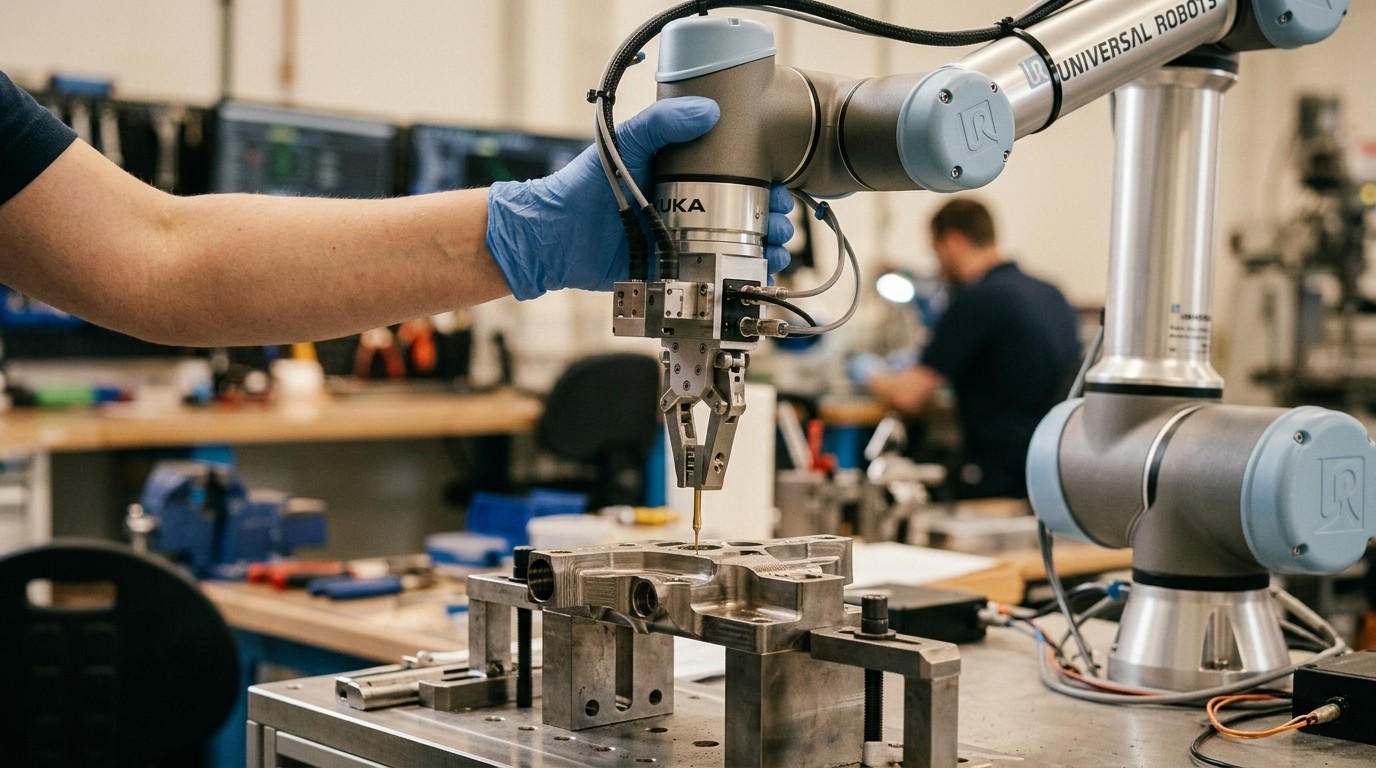
Technology is transforming manufacturing globally.
Yet craftsmanship still remains one of the most important drivers of product quality and differentiation.
Modern manufacturing conversations increasingly focus on:
• Automation
• AI
• Robotics
• Smart factories
• Predictive systems
And yes, technology is reshaping manufacturing dramatically.
But there’s an operational reality many businesses overlook:
Technology alone rarely creates exceptional products.
At Talha Khan OPS, we believe the future of manufacturing will belong to businesses capable of balancing:
• Technological efficiency
• Operational systems
• Human craftsmanship
• Fulfillment scalability
Simultaneously.
Operator Perspective:Technology improves efficiency. Craftsmanship protects product identity and quality.
Why Manufacturing Is Evolving
Several global shifts accelerated manufacturing transformation:
• Customization demand
• Faster fulfillment expectations
• Global competition
• Operational visibility
• Digital commerce
• Product differentiation pressure
Today, manufacturers increasingly require:
• Scalable systems
• Quality consistency
• Operational responsiveness
• Production visibility
• Customization flexibility
While maintaining:
• Craftsmanship standards
• Product reliability
• Brand differentiation
Why Technology Alone Is Not Enough
Many businesses assume automation automatically guarantees:
• Superior quality
• Operational excellence
• Customer satisfaction
But weak operational systems still create:
• Inconsistent production
• Quality instability
• Fulfillment delays
• Operational inefficiency
Technology amplifies operational capability,
but it cannot fully replace:
• Craftsmanship
• Quality judgment
• Production expertise
• Operational discipline
Operator Perspective: Smart systems still require smart operational leadership.
The Biggest Areas Where Craftsmanship Still Matters
Product Quality Consistency
Especially in:
• Football manufacturing
• Sportswear
• Premium products
• Customized merchandise
Small quality variations become highly noticeable.
Craftsmanship remains essential for:
• Stitching precision
• Material handling
• Quality inspection
• Product finishing
Customization Flexibility
Modern consumers increasingly demand:
• Custom footballs
• Personalized apparel
• Niche merchandise
• Private-label products
Customization environments require:
• Operational adaptability
• Production flexibility
• Craftsmanship familiarity
Because standardized automation alone often struggles with highly varied production requirements.
Brand Differentiation
Many premium brands increasingly compete through:
• Craftsmanship stories
• Manufacturing quality
• Product authenticity
• Operational discipline
Consumers increasingly value:
• Product origin
• Manufacturing transparency
• Production quality
Especially in sports products.
Operational Problem Solving
Human operational expertise remains essential during:
• Production disruptions
• Customization complexity
• Fulfillment coordination
• Workflow adaptation
Technology improves visibility.
Human expertise still drives judgment.
Why Sports Manufacturing Depends Heavily on Both
Sportswear and football manufacturing involve:
• Customization
• Quality sensitivity
• Product variation
• Seasonal demand
• Identity-driven branding
This creates strong demand for businesses capable of balancing:
• Scalable systems
• Craftsmanship consistency
• Fulfillment reliability
• Operational flexibility
Within:
• OEM manufacturing
• Private labeling
• Football production
• Sportswear ecosystems
Manufacturing ecosystems like Sialkot remain globally respected because generations of specialization created:
• Football craftsmanship expertise
• Sports manufacturing familiarity
• OEM flexibility
• Export readiness
• Operational coordination
Within highly specialized production environments.
Brands like STRYK World operate within this evolving ecosystem by emphasizing:
• Affordable premium positioning
• Custom football manufacturing
• OEM flexibility
• Scalable fulfillment
• Operational responsiveness
While supporting:
• Soccer clubs
• Sports retailers
• Wholesalers
• Distributors
• Private-label sports brands
Globally.
Why Manufacturing Transparency Is Becoming Valuable
One major trend globally:
customers increasingly appreciate:
• Manufacturing visibility
• Craftsmanship stories
• Operational authenticity
• Production transparency
Businesses communicating:
• Product origins
• Manufacturing processes
• Craftsmanship standards
Often strengthen:
• Trust
• Loyalty
• Perceived quality
Operator Perspective: Modern consumers increasingly connect emotionally with authentic production stories.
Why Operational Systems Still Matter
Craftsmanship alone is not enough either.
Modern manufacturing increasingly requires:
• Operational dashboards
• Fulfillment coordination
• Inventory visibility
• Scalable workflows
• Forecasting systems
The strongest manufacturers increasingly combine:
Craftsmanship + operational systems + technological visibility.
Mini Industry Observation, Premium Perception Increasingly Depends on Authenticity
One major shift globally:
many consumers increasingly associate premium value with:
• Authenticity
• Craftsmanship
• Manufacturing transparency
• Operational consistency
Not simply:
• Mass-market branding
The market increasingly rewards:
Operational authenticity.
Industry Prediction for 2026–2035
Over the next decade,
manufacturing will likely become:
• More technology-supported
• More customization-driven
• More visibility-oriented
• More operationally integrated
But craftsmanship will likely remain critically important.
Businesses will increasingly invest in:
• Operational dashboards
• Scalable fulfillment systems
• Customization infrastructure
• Quality control systems
• Manufacturing transparency
• Craftsmanship-driven production ecosystems
The strongest manufacturers will likely combine:
Technology + craftsmanship + operational excellence.
Final Thought
Modern manufacturing does not belong entirely to:
• Machines
or
• Humans alone.
It increasingly belongs to businesses capable of combining:
• Operational systems
• Craftsmanship
• Visibility
• Scalability
• Quality discipline
The manufacturers adapting early to this balanced model will likely outperform businesses relying only on automation or only on traditional production methods.
🔹 Technology improves manufacturing efficiency.
🔹 Craftsmanship still protects quality, authenticity, and differentiation.
💬 What matters most in modern manufacturing today, technology, craftsmanship, customization, or operational reliability?
Let’s discuss below.
📩 Connect with us:
🌐 Talha Khan OPS
🌐 STRYK World
#Manufacturing #sportsmanufacturing #footballmanufacturing #Sportswear #oemmanufacturing #privatelabel #businessoperations #operationalexcellence #Customization #operationalleadership #manufacturingtechnology #Craftsmanship #sportsbusiness #Fulfillment #businessgrowth #operationaldiscipline #qualitycontrol #operationsmanagement #supplychain #manufacturingexcellence #Sialkot #strykworld #talhakhanops #futureofmanufacturing #operationalvisibility #sportsindustry #businessstrategy #scalablebusiness #manufacturinginnovation #customerexperience
More to Discover


Insights
Why Modern Manufacturing Needs Both Technology and Craftsmanship
Technology is transforming manufacturing globally.
Yet craftsmanship still remains one of the most important drivers of product quality and differentiation.
Modern manufacturing conversations increasingly focus on:
• Automation
• AI
• Robotics
• Smart factories
• Predictive systems
And yes, technology is reshaping manufacturing dramatically.
But there’s an operational reality many businesses overlook:
Technology alone rarely creates exceptional products.
At Talha Khan OPS, we believe the future of manufacturing will belong to businesses capable of balancing:
• Technological efficiency
• Operational systems
• Human craftsmanship
• Fulfillment scalability
Simultaneously.
Operator Perspective:Technology improves efficiency. Craftsmanship protects product identity and quality.
Why Manufacturing Is Evolving
Several global shifts accelerated manufacturing transformation:
• Customization demand
• Faster fulfillment expectations
• Global competition
• Operational visibility
• Digital commerce
• Product differentiation pressure
Today, manufacturers increasingly require:
• Scalable systems
• Quality consistency
• Operational responsiveness
• Production visibility
• Customization flexibility
While maintaining:
• Craftsmanship standards
• Product reliability
• Brand differentiation
Why Technology Alone Is Not Enough
Many businesses assume automation automatically guarantees:
• Superior quality
• Operational excellence
• Customer satisfaction
But weak operational systems still create:
• Inconsistent production
• Quality instability
• Fulfillment delays
• Operational inefficiency
Technology amplifies operational capability,
but it cannot fully replace:
• Craftsmanship
• Quality judgment
• Production expertise
• Operational discipline
Operator Perspective: Smart systems still require smart operational leadership.
The Biggest Areas Where Craftsmanship Still Matters
Product Quality Consistency
Especially in:
• Football manufacturing
• Sportswear
• Premium products
• Customized merchandise
Small quality variations become highly noticeable.
Craftsmanship remains essential for:
• Stitching precision
• Material handling
• Quality inspection
• Product finishing
Customization Flexibility
Modern consumers increasingly demand:
• Custom footballs
• Personalized apparel
• Niche merchandise
• Private-label products
Customization environments require:
• Operational adaptability
• Production flexibility
• Craftsmanship familiarity
Because standardized automation alone often struggles with highly varied production requirements.
Brand Differentiation
Many premium brands increasingly compete through:
• Craftsmanship stories
• Manufacturing quality
• Product authenticity
• Operational discipline
Consumers increasingly value:
• Product origin
• Manufacturing transparency
• Production quality
Especially in sports products.
Operational Problem Solving
Human operational expertise remains essential during:
• Production disruptions
• Customization complexity
• Fulfillment coordination
• Workflow adaptation
Technology improves visibility.
Human expertise still drives judgment.
Why Sports Manufacturing Depends Heavily on Both
Sportswear and football manufacturing involve:
• Customization
• Quality sensitivity
• Product variation
• Seasonal demand
• Identity-driven branding
This creates strong demand for businesses capable of balancing:
• Scalable systems
• Craftsmanship consistency
• Fulfillment reliability
• Operational flexibility
Within:
• OEM manufacturing
• Private labeling
• Football production
• Sportswear ecosystems
Manufacturing ecosystems like Sialkot remain globally respected because generations of specialization created:
• Football craftsmanship expertise
• Sports manufacturing familiarity
• OEM flexibility
• Export readiness
• Operational coordination
Within highly specialized production environments.
Brands like STRYK World operate within this evolving ecosystem by emphasizing:
• Affordable premium positioning
• Custom football manufacturing
• OEM flexibility
• Scalable fulfillment
• Operational responsiveness
While supporting:
• Soccer clubs
• Sports retailers
• Wholesalers
• Distributors
• Private-label sports brands
Globally.
Why Manufacturing Transparency Is Becoming Valuable
One major trend globally:
customers increasingly appreciate:
• Manufacturing visibility
• Craftsmanship stories
• Operational authenticity
• Production transparency
Businesses communicating:
• Product origins
• Manufacturing processes
• Craftsmanship standards
Often strengthen:
• Trust
• Loyalty
• Perceived quality
Operator Perspective: Modern consumers increasingly connect emotionally with authentic production stories.
Why Operational Systems Still Matter
Craftsmanship alone is not enough either.
Modern manufacturing increasingly requires:
• Operational dashboards
• Fulfillment coordination
• Inventory visibility
• Scalable workflows
• Forecasting systems
The strongest manufacturers increasingly combine:
Craftsmanship + operational systems + technological visibility.
Mini Industry Observation, Premium Perception Increasingly Depends on Authenticity
One major shift globally:
many consumers increasingly associate premium value with:
• Authenticity
• Craftsmanship
• Manufacturing transparency
• Operational consistency
Not simply:
• Mass-market branding
The market increasingly rewards:
Operational authenticity.
Industry Prediction for 2026–2035
Over the next decade,
manufacturing will likely become:
• More technology-supported
• More customization-driven
• More visibility-oriented
• More operationally integrated
But craftsmanship will likely remain critically important.
Businesses will increasingly invest in:
• Operational dashboards
• Scalable fulfillment systems
• Customization infrastructure
• Quality control systems
• Manufacturing transparency
• Craftsmanship-driven production ecosystems
The strongest manufacturers will likely combine:
Technology + craftsmanship + operational excellence.
Final Thought
Modern manufacturing does not belong entirely to:
• Machines
or
• Humans alone.
It increasingly belongs to businesses capable of combining:
• Operational systems
• Craftsmanship
• Visibility
• Scalability
• Quality discipline
The manufacturers adapting early to this balanced model will likely outperform businesses relying only on automation or only on traditional production methods.
🔹 Technology improves manufacturing efficiency.
🔹 Craftsmanship still protects quality, authenticity, and differentiation.
💬 What matters most in modern manufacturing today, technology, craftsmanship, customization, or operational reliability?
Let’s discuss below.
📩 Connect with us:
🌐 Talha Khan OPS
🌐 STRYK World
#Manufacturing #sportsmanufacturing #footballmanufacturing #Sportswear #oemmanufacturing #privatelabel #businessoperations #operationalexcellence #Customization #operationalleadership #manufacturingtechnology #Craftsmanship #sportsbusiness #Fulfillment #businessgrowth #operationaldiscipline #qualitycontrol #operationsmanagement #supplychain #manufacturingexcellence #Sialkot #strykworld #talhakhanops #futureofmanufacturing #operationalvisibility #sportsindustry #businessstrategy #scalablebusiness #manufacturinginnovation #customerexperience
More to Discover
Insights
Why Modern Manufacturing Needs Both Technology and Craftsmanship
Technology is transforming manufacturing globally.
Yet craftsmanship still remains one of the most important drivers of product quality and differentiation.
Modern manufacturing conversations increasingly focus on:
• Automation
• AI
• Robotics
• Smart factories
• Predictive systems
And yes, technology is reshaping manufacturing dramatically.
But there’s an operational reality many businesses overlook:
Technology alone rarely creates exceptional products.
At Talha Khan OPS, we believe the future of manufacturing will belong to businesses capable of balancing:
• Technological efficiency
• Operational systems
• Human craftsmanship
• Fulfillment scalability
Simultaneously.
Operator Perspective:Technology improves efficiency. Craftsmanship protects product identity and quality.
Why Manufacturing Is Evolving
Several global shifts accelerated manufacturing transformation:
• Customization demand
• Faster fulfillment expectations
• Global competition
• Operational visibility
• Digital commerce
• Product differentiation pressure
Today, manufacturers increasingly require:
• Scalable systems
• Quality consistency
• Operational responsiveness
• Production visibility
• Customization flexibility
While maintaining:
• Craftsmanship standards
• Product reliability
• Brand differentiation
Why Technology Alone Is Not Enough
Many businesses assume automation automatically guarantees:
• Superior quality
• Operational excellence
• Customer satisfaction
But weak operational systems still create:
• Inconsistent production
• Quality instability
• Fulfillment delays
• Operational inefficiency
Technology amplifies operational capability,
but it cannot fully replace:
• Craftsmanship
• Quality judgment
• Production expertise
• Operational discipline
Operator Perspective: Smart systems still require smart operational leadership.
The Biggest Areas Where Craftsmanship Still Matters
Product Quality Consistency
Especially in:
• Football manufacturing
• Sportswear
• Premium products
• Customized merchandise
Small quality variations become highly noticeable.
Craftsmanship remains essential for:
• Stitching precision
• Material handling
• Quality inspection
• Product finishing
Customization Flexibility
Modern consumers increasingly demand:
• Custom footballs
• Personalized apparel
• Niche merchandise
• Private-label products
Customization environments require:
• Operational adaptability
• Production flexibility
• Craftsmanship familiarity
Because standardized automation alone often struggles with highly varied production requirements.
Brand Differentiation
Many premium brands increasingly compete through:
• Craftsmanship stories
• Manufacturing quality
• Product authenticity
• Operational discipline
Consumers increasingly value:
• Product origin
• Manufacturing transparency
• Production quality
Especially in sports products.
Operational Problem Solving
Human operational expertise remains essential during:
• Production disruptions
• Customization complexity
• Fulfillment coordination
• Workflow adaptation
Technology improves visibility.
Human expertise still drives judgment.
Why Sports Manufacturing Depends Heavily on Both
Sportswear and football manufacturing involve:
• Customization
• Quality sensitivity
• Product variation
• Seasonal demand
• Identity-driven branding
This creates strong demand for businesses capable of balancing:
• Scalable systems
• Craftsmanship consistency
• Fulfillment reliability
• Operational flexibility
Within:
• OEM manufacturing
• Private labeling
• Football production
• Sportswear ecosystems
Manufacturing ecosystems like Sialkot remain globally respected because generations of specialization created:
• Football craftsmanship expertise
• Sports manufacturing familiarity
• OEM flexibility
• Export readiness
• Operational coordination
Within highly specialized production environments.
Brands like STRYK World operate within this evolving ecosystem by emphasizing:
• Affordable premium positioning
• Custom football manufacturing
• OEM flexibility
• Scalable fulfillment
• Operational responsiveness
While supporting:
• Soccer clubs
• Sports retailers
• Wholesalers
• Distributors
• Private-label sports brands
Globally.
Why Manufacturing Transparency Is Becoming Valuable
One major trend globally:
customers increasingly appreciate:
• Manufacturing visibility
• Craftsmanship stories
• Operational authenticity
• Production transparency
Businesses communicating:
• Product origins
• Manufacturing processes
• Craftsmanship standards
Often strengthen:
• Trust
• Loyalty
• Perceived quality
Operator Perspective: Modern consumers increasingly connect emotionally with authentic production stories.
Why Operational Systems Still Matter
Craftsmanship alone is not enough either.
Modern manufacturing increasingly requires:
• Operational dashboards
• Fulfillment coordination
• Inventory visibility
• Scalable workflows
• Forecasting systems
The strongest manufacturers increasingly combine:
Craftsmanship + operational systems + technological visibility.
Mini Industry Observation, Premium Perception Increasingly Depends on Authenticity
One major shift globally:
many consumers increasingly associate premium value with:
• Authenticity
• Craftsmanship
• Manufacturing transparency
• Operational consistency
Not simply:
• Mass-market branding
The market increasingly rewards:
Operational authenticity.
Industry Prediction for 2026–2035
Over the next decade,
manufacturing will likely become:
• More technology-supported
• More customization-driven
• More visibility-oriented
• More operationally integrated
But craftsmanship will likely remain critically important.
Businesses will increasingly invest in:
• Operational dashboards
• Scalable fulfillment systems
• Customization infrastructure
• Quality control systems
• Manufacturing transparency
• Craftsmanship-driven production ecosystems
The strongest manufacturers will likely combine:
Technology + craftsmanship + operational excellence.
Final Thought
Modern manufacturing does not belong entirely to:
• Machines
or
• Humans alone.
It increasingly belongs to businesses capable of combining:
• Operational systems
• Craftsmanship
• Visibility
• Scalability
• Quality discipline
The manufacturers adapting early to this balanced model will likely outperform businesses relying only on automation or only on traditional production methods.
🔹 Technology improves manufacturing efficiency.
🔹 Craftsmanship still protects quality, authenticity, and differentiation.
💬 What matters most in modern manufacturing today, technology, craftsmanship, customization, or operational reliability?
Let’s discuss below.
📩 Connect with us:
🌐 Talha Khan OPS
🌐 STRYK World
#Manufacturing #sportsmanufacturing #footballmanufacturing #Sportswear #oemmanufacturing #privatelabel #businessoperations #operationalexcellence #Customization #operationalleadership #manufacturingtechnology #Craftsmanship #sportsbusiness #Fulfillment #businessgrowth #operationaldiscipline #qualitycontrol #operationsmanagement #supplychain #manufacturingexcellence #Sialkot #strykworld #talhakhanops #futureofmanufacturing #operationalvisibility #sportsindustry #businessstrategy #scalablebusiness #manufacturinginnovation #customerexperience