Insights
Why Modern Consumers Expect Customization Everywhere
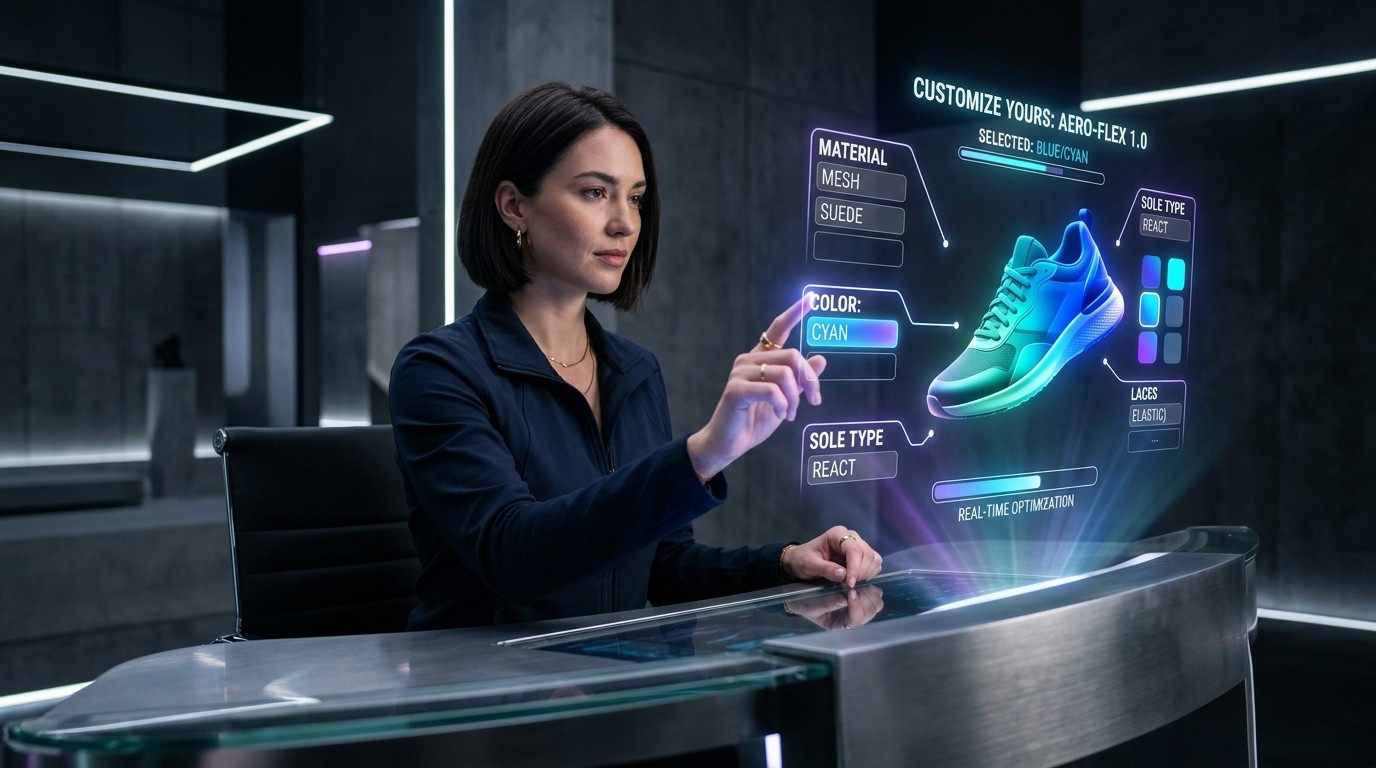
v Customization was once considered a premium luxury feature.
v Today, consumers increasingly expect personalized experiences as a standard.
Modern buyers no longer want products that simply “fit the market.”
They increasingly want products that feel:
· Personal
· Identity-driven
· Community-aligned
· Visually unique
· Emotionally relevant
At Talha Khan OPS, we believe customization is becoming one of the strongest forces shaping:
Sportswear
Football manufacturing
Retail
D2C commerce
Merchandise ecosystems
Modern branding
Because consumers increasingly buy:
Representation and identity, not just products.
Operator Perspective: Standardization scales operations. Customization scales emotional connection.
Why Customization Became So Important
Several global shifts accelerated customization demand:
Social media culture
Digital identity
Niche communities
D2C commerce
Creator ecosystems
Personalization-driven marketing
Consumers today increasingly expect:
Unique experiences
Brand participation
Customized products
Personal identity alignment
This shift changed purchasing behavior across industries.
Why Generic Products Are Becoming Less Powerful
Modern consumers are exposed to:
Endless product choices
Constant advertisements
Mass-market branding
As a result, generic products increasingly struggle to create:
Memorability
Emotional connection
Community loyalty
Customization helps products feel:
More exclusive
More meaningful
More identity-driven
Operator Perspective: People increasingly want products that reflect who they are, not what everyone else owns.
The Biggest Areas Where Customization Is Growing
1. Sportswear & Apparel
Modern buyers increasingly want:
Custom apparel
Personalized activewear
Club-branded clothing
Limited collections
Identity-focused sportswear
This creates strong demand for:
OEM manufacturing
Private labeling
Flexible production systems
Within sportswear ecosystems globally.
2. Football & Sports Products
Football culture increasingly supports:
Custom footballs
Academy-branded equipment
Sponsor-integrated merchandise
Tournament-specific collections
Custom football products increasingly function as:
Community identity assets.
3. Community-Led Merchandise
Modern communities increasingly support:
Localized branding
Niche merchandise
Creator-led collections
Community apparel ecosystems
This creates opportunities for:
Clubs
Academies
Sports retailers
Niche sports brands
To build stronger engagement through customization.
4. Corporate & Organizational Branding
Businesses increasingly use custom sports products for:
Employee engagement
Branding campaigns
Promotional merchandise
Event activations
Customization increasingly improves:
Visibility
Memorability
Perceived professionalism
Why Customization Creates Operational Complexity
Customization creates significant operational pressure across:
Inventory planning
Production coordination
Fulfillment
Forecasting
Quality control
Warehouse operations
Businesses offering customization must increasingly balance:
· Operational flexibility
· Fulfillment reliability
· Inventory visibility
· Scalable systems
· Production coordination
Simultaneously.
Operator Perspective: Customization increases customer value, but operational complexity rises equally.
Why OEM Manufacturing Supports Customization Growth
Modern OEM ecosystems increasingly support:
Lower moqs
Flexible production
Private labeling
Custom packaging
Scalable fulfillment
This dramatically lowered barriers for:
Niche sports brands
Soccer clubs
Activewear startups
Community-driven merchandise businesses
Globally.
Manufacturing ecosystems like Sialkot remain globally important because specialized sports manufacturing ecosystems support:
Football customization
Sportswear production
OEM manufacturing
Scalable export operations
Within highly flexible production environments.
Brands like STRYK World operate within this evolving ecosystem by emphasizing:
Affordable premium positioning
OEM flexibility
Custom football manufacturing
Scalable fulfillment
Operational responsiveness
While supporting:
Soccer clubs
Wholesalers
Retailers
Distributors
Private-label sports brands
Globally.
Why Customization Improves Community Engagement
One major shift:
modern consumers increasingly participate in brands through:
Personalized products
Limited collections
Community merchandise
Identity-driven apparel
Customization improves:
Emotional connection
Community participation
Customer loyalty
Brand memorability
Operator Perspective: Customization transforms customers from buyers into participants.
Mini Industry Observation, Consumers Increasingly Value Identity Over Mass Appeal
One major trend globally:
many consumers increasingly prefer:
Niche identity
Community alignment
Personalized experiences
Limited products
Over:
Generic mass-market offerings
The market increasingly rewards:
Emotional relevance.
Industry Prediction for 2026–2035
Over the next decade,
customization will likely become:
More scalable
More technology-supported
More community-driven
More operationally integrated
Businesses will increasingly invest in:
· OEM partnerships
· Scalable customization systems
· Flexible fulfillment infrastructure
· Operational dashboards
· Community-led merchandise ecosystems
· Direct-to-consumer personalization
The strongest brands will likely combine:
Customization + operational scalability + community-driven identity.
Final Thought
Customization is no longer a niche premium feature.
It’s increasingly becoming a baseline expectation across modern commerce.
The businesses adapting early to:
Flexible manufacturing
Operational scalability
Community-led branding
Customization ecosystems
Fulfillment coordination
Will likely build stronger long-term customer loyalty than businesses relying only on standardized product models.
🔹 Customization creates identity.
🔹 Operational scalability determines whether customization can scale sustainably.
💬 What matters most in customization today, identity, flexibility, fulfillment reliability, or product quality?
Let’s discuss below.
📩 Connect with us:
🌐 Talha Khan OPS
🌐 STRYK World
#Customization #sportsbusiness #Sportswear #footballmanufacturing #oemmanufacturing #privatelabel #businessoperations #sportsretail #customfootball #operationalexcellence #sportsmanufacturing #operationalleadership #sportsbrands #communitybuilding #brandbuilding #sportsindustry #retailoperations #businessgrowth #D2C #identitybranding #Sialkot #strykworld #talhakhanops #futureofretail #operationsmanagement #communitydriven #Personalization #sportsculture #customerexperience #scalablebusiness
More to Discover

Insights
Why Modern Consumers Expect Customization Everywhere
v Customization was once considered a premium luxury feature.
v Today, consumers increasingly expect personalized experiences as a standard.
Modern buyers no longer want products that simply “fit the market.”
They increasingly want products that feel:
· Personal
· Identity-driven
· Community-aligned
· Visually unique
· Emotionally relevant
At Talha Khan OPS, we believe customization is becoming one of the strongest forces shaping:
Sportswear
Football manufacturing
Retail
D2C commerce
Merchandise ecosystems
Modern branding
Because consumers increasingly buy:
Representation and identity, not just products.
Operator Perspective: Standardization scales operations. Customization scales emotional connection.
Why Customization Became So Important
Several global shifts accelerated customization demand:
Social media culture
Digital identity
Niche communities
D2C commerce
Creator ecosystems
Personalization-driven marketing
Consumers today increasingly expect:
Unique experiences
Brand participation
Customized products
Personal identity alignment
This shift changed purchasing behavior across industries.
Why Generic Products Are Becoming Less Powerful
Modern consumers are exposed to:
Endless product choices
Constant advertisements
Mass-market branding
As a result, generic products increasingly struggle to create:
Memorability
Emotional connection
Community loyalty
Customization helps products feel:
More exclusive
More meaningful
More identity-driven
Operator Perspective: People increasingly want products that reflect who they are, not what everyone else owns.
The Biggest Areas Where Customization Is Growing
1. Sportswear & Apparel
Modern buyers increasingly want:
Custom apparel
Personalized activewear
Club-branded clothing
Limited collections
Identity-focused sportswear
This creates strong demand for:
OEM manufacturing
Private labeling
Flexible production systems
Within sportswear ecosystems globally.
2. Football & Sports Products
Football culture increasingly supports:
Custom footballs
Academy-branded equipment
Sponsor-integrated merchandise
Tournament-specific collections
Custom football products increasingly function as:
Community identity assets.
3. Community-Led Merchandise
Modern communities increasingly support:
Localized branding
Niche merchandise
Creator-led collections
Community apparel ecosystems
This creates opportunities for:
Clubs
Academies
Sports retailers
Niche sports brands
To build stronger engagement through customization.
4. Corporate & Organizational Branding
Businesses increasingly use custom sports products for:
Employee engagement
Branding campaigns
Promotional merchandise
Event activations
Customization increasingly improves:
Visibility
Memorability
Perceived professionalism
Why Customization Creates Operational Complexity
Customization creates significant operational pressure across:
Inventory planning
Production coordination
Fulfillment
Forecasting
Quality control
Warehouse operations
Businesses offering customization must increasingly balance:
· Operational flexibility
· Fulfillment reliability
· Inventory visibility
· Scalable systems
· Production coordination
Simultaneously.
Operator Perspective: Customization increases customer value, but operational complexity rises equally.
Why OEM Manufacturing Supports Customization Growth
Modern OEM ecosystems increasingly support:
Lower moqs
Flexible production
Private labeling
Custom packaging
Scalable fulfillment
This dramatically lowered barriers for:
Niche sports brands
Soccer clubs
Activewear startups
Community-driven merchandise businesses
Globally.
Manufacturing ecosystems like Sialkot remain globally important because specialized sports manufacturing ecosystems support:
Football customization
Sportswear production
OEM manufacturing
Scalable export operations
Within highly flexible production environments.
Brands like STRYK World operate within this evolving ecosystem by emphasizing:
Affordable premium positioning
OEM flexibility
Custom football manufacturing
Scalable fulfillment
Operational responsiveness
While supporting:
Soccer clubs
Wholesalers
Retailers
Distributors
Private-label sports brands
Globally.
Why Customization Improves Community Engagement
One major shift:
modern consumers increasingly participate in brands through:
Personalized products
Limited collections
Community merchandise
Identity-driven apparel
Customization improves:
Emotional connection
Community participation
Customer loyalty
Brand memorability
Operator Perspective: Customization transforms customers from buyers into participants.
Mini Industry Observation, Consumers Increasingly Value Identity Over Mass Appeal
One major trend globally:
many consumers increasingly prefer:
Niche identity
Community alignment
Personalized experiences
Limited products
Over:
Generic mass-market offerings
The market increasingly rewards:
Emotional relevance.
Industry Prediction for 2026–2035
Over the next decade,
customization will likely become:
More scalable
More technology-supported
More community-driven
More operationally integrated
Businesses will increasingly invest in:
· OEM partnerships
· Scalable customization systems
· Flexible fulfillment infrastructure
· Operational dashboards
· Community-led merchandise ecosystems
· Direct-to-consumer personalization
The strongest brands will likely combine:
Customization + operational scalability + community-driven identity.
Final Thought
Customization is no longer a niche premium feature.
It’s increasingly becoming a baseline expectation across modern commerce.
The businesses adapting early to:
Flexible manufacturing
Operational scalability
Community-led branding
Customization ecosystems
Fulfillment coordination
Will likely build stronger long-term customer loyalty than businesses relying only on standardized product models.
🔹 Customization creates identity.
🔹 Operational scalability determines whether customization can scale sustainably.
💬 What matters most in customization today, identity, flexibility, fulfillment reliability, or product quality?
Let’s discuss below.
📩 Connect with us:
🌐 Talha Khan OPS
🌐 STRYK World
#Customization #sportsbusiness #Sportswear #footballmanufacturing #oemmanufacturing #privatelabel #businessoperations #sportsretail #customfootball #operationalexcellence #sportsmanufacturing #operationalleadership #sportsbrands #communitybuilding #brandbuilding #sportsindustry #retailoperations #businessgrowth #D2C #identitybranding #Sialkot #strykworld #talhakhanops #futureofretail #operationsmanagement #communitydriven #Personalization #sportsculture #customerexperience #scalablebusiness
More to Discover
Insights
Why Modern Consumers Expect Customization Everywhere
v Customization was once considered a premium luxury feature.
v Today, consumers increasingly expect personalized experiences as a standard.
Modern buyers no longer want products that simply “fit the market.”
They increasingly want products that feel:
· Personal
· Identity-driven
· Community-aligned
· Visually unique
· Emotionally relevant
At Talha Khan OPS, we believe customization is becoming one of the strongest forces shaping:
Sportswear
Football manufacturing
Retail
D2C commerce
Merchandise ecosystems
Modern branding
Because consumers increasingly buy:
Representation and identity, not just products.
Operator Perspective: Standardization scales operations. Customization scales emotional connection.
Why Customization Became So Important
Several global shifts accelerated customization demand:
Social media culture
Digital identity
Niche communities
D2C commerce
Creator ecosystems
Personalization-driven marketing
Consumers today increasingly expect:
Unique experiences
Brand participation
Customized products
Personal identity alignment
This shift changed purchasing behavior across industries.
Why Generic Products Are Becoming Less Powerful
Modern consumers are exposed to:
Endless product choices
Constant advertisements
Mass-market branding
As a result, generic products increasingly struggle to create:
Memorability
Emotional connection
Community loyalty
Customization helps products feel:
More exclusive
More meaningful
More identity-driven
Operator Perspective: People increasingly want products that reflect who they are, not what everyone else owns.
The Biggest Areas Where Customization Is Growing
1. Sportswear & Apparel
Modern buyers increasingly want:
Custom apparel
Personalized activewear
Club-branded clothing
Limited collections
Identity-focused sportswear
This creates strong demand for:
OEM manufacturing
Private labeling
Flexible production systems
Within sportswear ecosystems globally.
2. Football & Sports Products
Football culture increasingly supports:
Custom footballs
Academy-branded equipment
Sponsor-integrated merchandise
Tournament-specific collections
Custom football products increasingly function as:
Community identity assets.
3. Community-Led Merchandise
Modern communities increasingly support:
Localized branding
Niche merchandise
Creator-led collections
Community apparel ecosystems
This creates opportunities for:
Clubs
Academies
Sports retailers
Niche sports brands
To build stronger engagement through customization.
4. Corporate & Organizational Branding
Businesses increasingly use custom sports products for:
Employee engagement
Branding campaigns
Promotional merchandise
Event activations
Customization increasingly improves:
Visibility
Memorability
Perceived professionalism
Why Customization Creates Operational Complexity
Customization creates significant operational pressure across:
Inventory planning
Production coordination
Fulfillment
Forecasting
Quality control
Warehouse operations
Businesses offering customization must increasingly balance:
· Operational flexibility
· Fulfillment reliability
· Inventory visibility
· Scalable systems
· Production coordination
Simultaneously.
Operator Perspective: Customization increases customer value, but operational complexity rises equally.
Why OEM Manufacturing Supports Customization Growth
Modern OEM ecosystems increasingly support:
Lower moqs
Flexible production
Private labeling
Custom packaging
Scalable fulfillment
This dramatically lowered barriers for:
Niche sports brands
Soccer clubs
Activewear startups
Community-driven merchandise businesses
Globally.
Manufacturing ecosystems like Sialkot remain globally important because specialized sports manufacturing ecosystems support:
Football customization
Sportswear production
OEM manufacturing
Scalable export operations
Within highly flexible production environments.
Brands like STRYK World operate within this evolving ecosystem by emphasizing:
Affordable premium positioning
OEM flexibility
Custom football manufacturing
Scalable fulfillment
Operational responsiveness
While supporting:
Soccer clubs
Wholesalers
Retailers
Distributors
Private-label sports brands
Globally.
Why Customization Improves Community Engagement
One major shift:
modern consumers increasingly participate in brands through:
Personalized products
Limited collections
Community merchandise
Identity-driven apparel
Customization improves:
Emotional connection
Community participation
Customer loyalty
Brand memorability
Operator Perspective: Customization transforms customers from buyers into participants.
Mini Industry Observation, Consumers Increasingly Value Identity Over Mass Appeal
One major trend globally:
many consumers increasingly prefer:
Niche identity
Community alignment
Personalized experiences
Limited products
Over:
Generic mass-market offerings
The market increasingly rewards:
Emotional relevance.
Industry Prediction for 2026–2035
Over the next decade,
customization will likely become:
More scalable
More technology-supported
More community-driven
More operationally integrated
Businesses will increasingly invest in:
· OEM partnerships
· Scalable customization systems
· Flexible fulfillment infrastructure
· Operational dashboards
· Community-led merchandise ecosystems
· Direct-to-consumer personalization
The strongest brands will likely combine:
Customization + operational scalability + community-driven identity.
Final Thought
Customization is no longer a niche premium feature.
It’s increasingly becoming a baseline expectation across modern commerce.
The businesses adapting early to:
Flexible manufacturing
Operational scalability
Community-led branding
Customization ecosystems
Fulfillment coordination
Will likely build stronger long-term customer loyalty than businesses relying only on standardized product models.
🔹 Customization creates identity.
🔹 Operational scalability determines whether customization can scale sustainably.
💬 What matters most in customization today, identity, flexibility, fulfillment reliability, or product quality?
Let’s discuss below.
📩 Connect with us:
🌐 Talha Khan OPS
🌐 STRYK World
#Customization #sportsbusiness #Sportswear #footballmanufacturing #oemmanufacturing #privatelabel #businessoperations #sportsretail #customfootball #operationalexcellence #sportsmanufacturing #operationalleadership #sportsbrands #communitybuilding #brandbuilding #sportsindustry #retailoperations #businessgrowth #D2C #identitybranding #Sialkot #strykworld #talhakhanops #futureofretail #operationsmanagement #communitydriven #Personalization #sportsculture #customerexperience #scalablebusiness