Insights
The Future of Autonomous Warehouses in 2030
Introduction
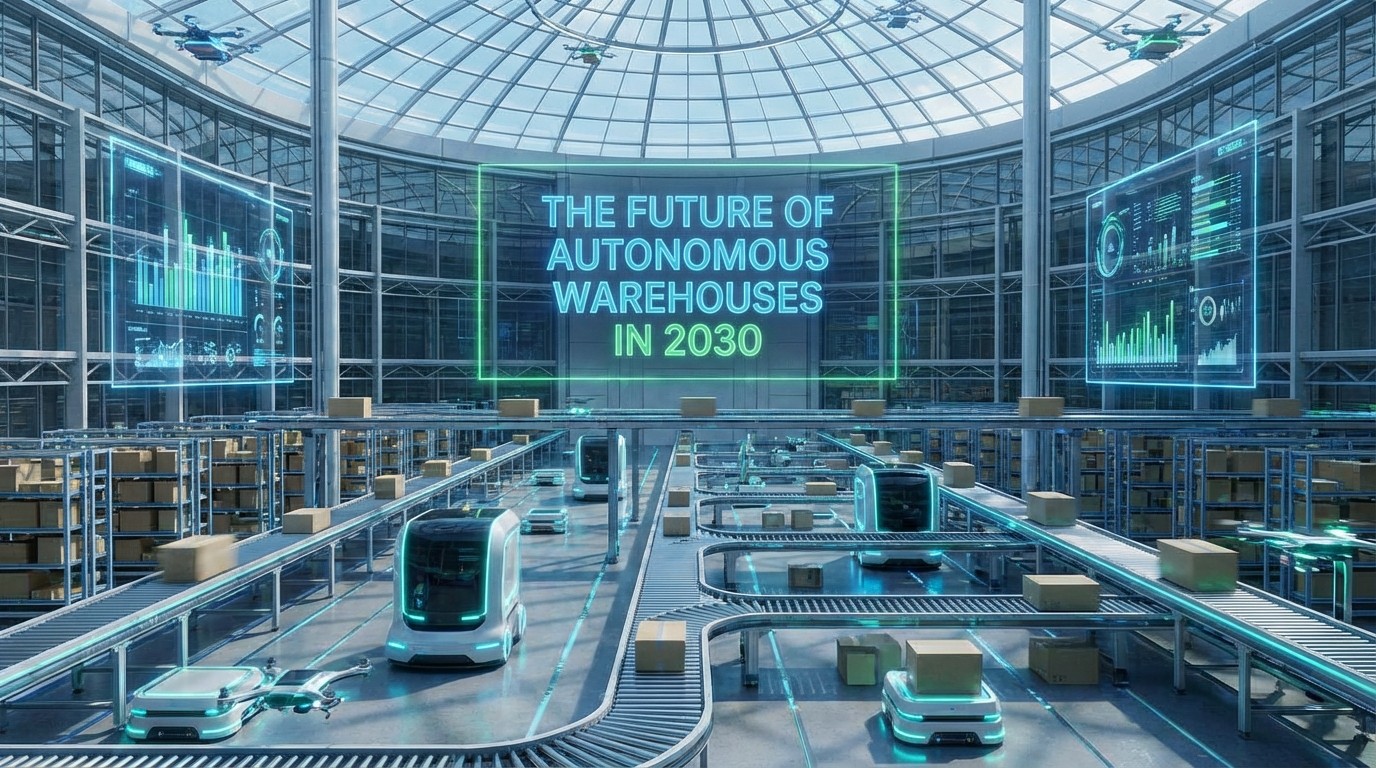
Warehouse automation is progressing from mechanization toward increasingly autonomous operations. Advances in robotics, artificial intelligence, and sensor technologies are enabling warehouses to operate with minimal human intervention. By 2030, autonomous warehouses are expected to play a significant role in high-velocity distribution networks, reshaping labor models, facility design, and performance management.
Technology Drivers of Autonomous Warehousing
Key enablers include:
Advanced robotics for picking, packing, and palletizing
AI-driven orchestration systems coordinating multi-robot environments
Computer vision for object recognition and quality control
Real-time IoT sensors for asset and inventory tracking
Edge computing to support low-latency decision-making
These technologies collectively support higher throughput, accuracy, and operational predictability.
Operational and Workforce Implications
The shift toward autonomy introduces several considerations:
Redesign of warehouse layouts to optimize robot navigation
Evolution of workforce roles toward supervision, maintenance, and analytics
New safety and compliance frameworks for human–robot collaboration
Changes in performance metrics to reflect autonomous system utilization
Increased importance of systems integration and uptime management
Strategic Readiness
Organizations preparing for autonomous warehouses should:
Conduct automation readiness assessments
Pilot autonomous capabilities in high-volume, standardized environments
Invest in workforce upskilling for robotics oversight
Strengthen IT and OT integration capabilities
Develop governance frameworks for autonomous system performance and risk management
Conclusion
Autonomous warehouses represent a structural shift in how distribution networks operate. Organizations that strategically invest in autonomy readiness will gain advantages in scalability, reliability, and cost efficiency as warehouse automation matures toward 2030.
#AutonomousWarehouses #WarehouseAutomation #RoboticsInLogistics #FutureOfWarehousing #SupplyChainInnovation #DigitalOperations
More to Discover


Insights
The Future of Autonomous Warehouses in 2030
Introduction
Warehouse automation is progressing from mechanization toward increasingly autonomous operations. Advances in robotics, artificial intelligence, and sensor technologies are enabling warehouses to operate with minimal human intervention. By 2030, autonomous warehouses are expected to play a significant role in high-velocity distribution networks, reshaping labor models, facility design, and performance management.
Technology Drivers of Autonomous Warehousing
Key enablers include:
Advanced robotics for picking, packing, and palletizing
AI-driven orchestration systems coordinating multi-robot environments
Computer vision for object recognition and quality control
Real-time IoT sensors for asset and inventory tracking
Edge computing to support low-latency decision-making
These technologies collectively support higher throughput, accuracy, and operational predictability.
Operational and Workforce Implications
The shift toward autonomy introduces several considerations:
Redesign of warehouse layouts to optimize robot navigation
Evolution of workforce roles toward supervision, maintenance, and analytics
New safety and compliance frameworks for human–robot collaboration
Changes in performance metrics to reflect autonomous system utilization
Increased importance of systems integration and uptime management
Strategic Readiness
Organizations preparing for autonomous warehouses should:
Conduct automation readiness assessments
Pilot autonomous capabilities in high-volume, standardized environments
Invest in workforce upskilling for robotics oversight
Strengthen IT and OT integration capabilities
Develop governance frameworks for autonomous system performance and risk management
Conclusion
Autonomous warehouses represent a structural shift in how distribution networks operate. Organizations that strategically invest in autonomy readiness will gain advantages in scalability, reliability, and cost efficiency as warehouse automation matures toward 2030.
#AutonomousWarehouses #WarehouseAutomation #RoboticsInLogistics #FutureOfWarehousing #SupplyChainInnovation #DigitalOperations
More to Discover
Insights
The Future of Autonomous Warehouses in 2030
Introduction
Warehouse automation is progressing from mechanization toward increasingly autonomous operations. Advances in robotics, artificial intelligence, and sensor technologies are enabling warehouses to operate with minimal human intervention. By 2030, autonomous warehouses are expected to play a significant role in high-velocity distribution networks, reshaping labor models, facility design, and performance management.
Technology Drivers of Autonomous Warehousing
Key enablers include:
Advanced robotics for picking, packing, and palletizing
AI-driven orchestration systems coordinating multi-robot environments
Computer vision for object recognition and quality control
Real-time IoT sensors for asset and inventory tracking
Edge computing to support low-latency decision-making
These technologies collectively support higher throughput, accuracy, and operational predictability.
Operational and Workforce Implications
The shift toward autonomy introduces several considerations:
Redesign of warehouse layouts to optimize robot navigation
Evolution of workforce roles toward supervision, maintenance, and analytics
New safety and compliance frameworks for human–robot collaboration
Changes in performance metrics to reflect autonomous system utilization
Increased importance of systems integration and uptime management
Strategic Readiness
Organizations preparing for autonomous warehouses should:
Conduct automation readiness assessments
Pilot autonomous capabilities in high-volume, standardized environments
Invest in workforce upskilling for robotics oversight
Strengthen IT and OT integration capabilities
Develop governance frameworks for autonomous system performance and risk management
Conclusion
Autonomous warehouses represent a structural shift in how distribution networks operate. Organizations that strategically invest in autonomy readiness will gain advantages in scalability, reliability, and cost efficiency as warehouse automation matures toward 2030.
#AutonomousWarehouses #WarehouseAutomation #RoboticsInLogistics #FutureOfWarehousing #SupplyChainInnovation #DigitalOperations