Insights
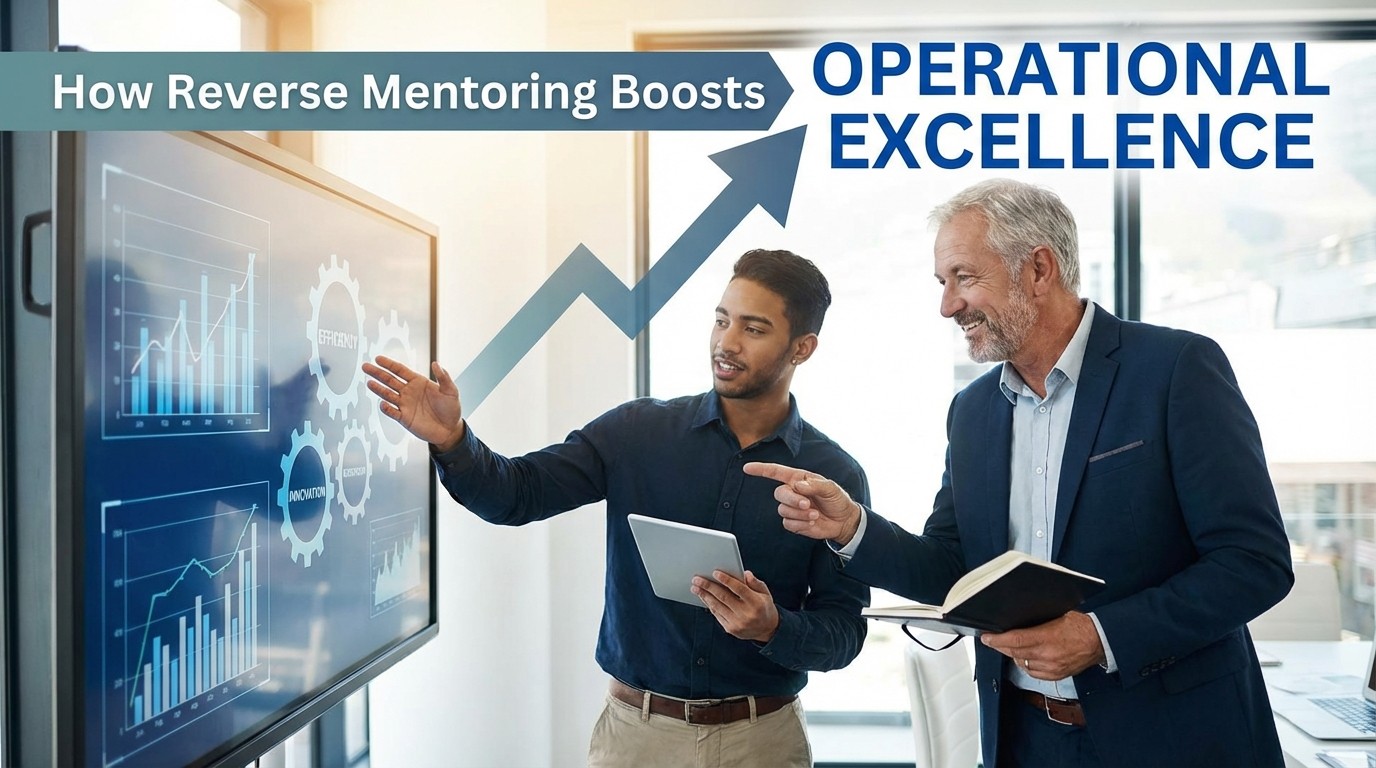
How Reverse Mentoring Boosts Operational Excellence
Introduction
Reverse mentoring, where junior employees mentor senior leaders, is increasingly recognized as a catalyst for accelerating organizational learning, digital adoption, and cultural alignment. In operations environments, reverse mentoring provides leadership with direct exposure to frontline realities, emerging technologies, and evolving workforce expectations.
The Value of Reverse Mentoring
Reverse mentoring enables organizations to:
Accelerate digital and technology adoption
Increase leadership awareness of frontline operational challenges
Strengthen cross-generational collaboration
Create faster organizational learning loops
Encourage innovation in problem-solving approaches
Operational Applications
In supply chain contexts, reverse mentoring can support:
Digital tool adoption and usability improvements
Process redesign informed by frontline perspectives
Innovation in operational problem-solving
Leadership alignment with workforce experience
Implementation Considerations
Successful reverse mentoring programs require:
Clear objectives and success criteria
Structured mentor–mentee pairing and governance
Leadership openness to learning and feedback
Regular feedback and program evaluation mechanisms
Conclusion
Reverse mentoring strengthens operational excellence by enhancing leadership insight, accelerating learning, and reinforcing a culture of openness. Organizations that institutionalize reverse mentoring can unlock perspectives often underrepresented in traditional hierarchical structures.
#ReverseMentoring #OperationalExcellence #LeadershipDevelopment #DigitalAdoption #OrganizationalLearning #FutureOfWork #ChangeLeadership
More to Discover


Insights
How Reverse Mentoring Boosts Operational Excellence
Introduction
Reverse mentoring, where junior employees mentor senior leaders, is increasingly recognized as a catalyst for accelerating organizational learning, digital adoption, and cultural alignment. In operations environments, reverse mentoring provides leadership with direct exposure to frontline realities, emerging technologies, and evolving workforce expectations.
The Value of Reverse Mentoring
Reverse mentoring enables organizations to:
Accelerate digital and technology adoption
Increase leadership awareness of frontline operational challenges
Strengthen cross-generational collaboration
Create faster organizational learning loops
Encourage innovation in problem-solving approaches
Operational Applications
In supply chain contexts, reverse mentoring can support:
Digital tool adoption and usability improvements
Process redesign informed by frontline perspectives
Innovation in operational problem-solving
Leadership alignment with workforce experience
Implementation Considerations
Successful reverse mentoring programs require:
Clear objectives and success criteria
Structured mentor–mentee pairing and governance
Leadership openness to learning and feedback
Regular feedback and program evaluation mechanisms
Conclusion
Reverse mentoring strengthens operational excellence by enhancing leadership insight, accelerating learning, and reinforcing a culture of openness. Organizations that institutionalize reverse mentoring can unlock perspectives often underrepresented in traditional hierarchical structures.
#ReverseMentoring #OperationalExcellence #LeadershipDevelopment #DigitalAdoption #OrganizationalLearning #FutureOfWork #ChangeLeadership
More to Discover
Insights
How Reverse Mentoring Boosts Operational Excellence
Introduction
Reverse mentoring, where junior employees mentor senior leaders, is increasingly recognized as a catalyst for accelerating organizational learning, digital adoption, and cultural alignment. In operations environments, reverse mentoring provides leadership with direct exposure to frontline realities, emerging technologies, and evolving workforce expectations.
The Value of Reverse Mentoring
Reverse mentoring enables organizations to:
Accelerate digital and technology adoption
Increase leadership awareness of frontline operational challenges
Strengthen cross-generational collaboration
Create faster organizational learning loops
Encourage innovation in problem-solving approaches
Operational Applications
In supply chain contexts, reverse mentoring can support:
Digital tool adoption and usability improvements
Process redesign informed by frontline perspectives
Innovation in operational problem-solving
Leadership alignment with workforce experience
Implementation Considerations
Successful reverse mentoring programs require:
Clear objectives and success criteria
Structured mentor–mentee pairing and governance
Leadership openness to learning and feedback
Regular feedback and program evaluation mechanisms
Conclusion
Reverse mentoring strengthens operational excellence by enhancing leadership insight, accelerating learning, and reinforcing a culture of openness. Organizations that institutionalize reverse mentoring can unlock perspectives often underrepresented in traditional hierarchical structures.
#ReverseMentoring #OperationalExcellence #LeadershipDevelopment #DigitalAdoption #OrganizationalLearning #FutureOfWork #ChangeLeadership