Insights
Factors to Watch: Trade Regulations in Logistics
Trade regulations play a critical role in shaping global logistics operations. As international trade continues to expand, logistics companies must navigate an increasingly complex regulatory environment. Understanding and monitoring key trade regulation factors is essential for ensuring compliance, minimizing delays, and maintaining cost efficiency across supply chains.
One of the most important factors to watch is customs compliance. Every country enforces its own customs laws, documentation requirements, and import/export procedures. Errors in customs declarations, tariff classifications, or valuation can result in shipment delays, penalties, or even cargo seizure. Logistics providers must stay updated on changing customs regulations and ensure accurate documentation, including commercial invoices, packing lists, and certificates of origin.
Another critical area is tariffs and duties. Governments frequently revise tariff structures to protect domestic industries or respond to geopolitical developments. Sudden increases in import duties can significantly impact shipping costs and pricing strategies. Logistics professionals should closely monitor tariff updates and free trade agreements to identify opportunities for duty reductions or exemptions, helping clients optimize landed costs.
Trade sanctions and embargoes are also a major regulatory consideration. Sanctions imposed on specific countries, entities, or products can restrict trade routes and limit business partnerships. Non-compliance with sanctions regulations can lead to severe legal and financial consequences. Logistics companies must conduct thorough due diligence, screen trading partners, and ensure shipments do not violate international or regional sanctions.
The rise of security and safety regulations has further transformed logistics operations. Programs such as cargo security filings, advance shipment notifications, and supply chain security initiatives aim to reduce risks related to terrorism, smuggling, and fraud. While these measures enhance global trade security, they also add compliance requirements that logistics operators must integrate into their workflows to avoid disruptions.
Another factor to consider is environmental and sustainability regulations. Governments are increasingly enforcing policies related to carbon emissions, fuel standards, and sustainable packaging. Logistics providers may need to adopt greener transportation methods, optimize routes, or invest in eco-friendly technologies to comply with these regulations. Failure to meet environmental standards can result in fines and reputational damage.
Digital trade regulations are also becoming more prominent. Many countries are implementing electronic documentation systems, data protection laws, and cybersecurity requirements. Logistics companies handling digital shipping data must ensure compliance with data privacy regulations and maintain secure information systems to protect sensitive trade information.
Finally, regulatory changes driven by geopolitical events can significantly impact logistics planning. Trade disputes, political instability, or policy shifts can alter trade routes, border controls, and import/export requirements with little notice. Staying informed and maintaining flexible logistics strategies allows businesses to adapt quickly to regulatory changes.
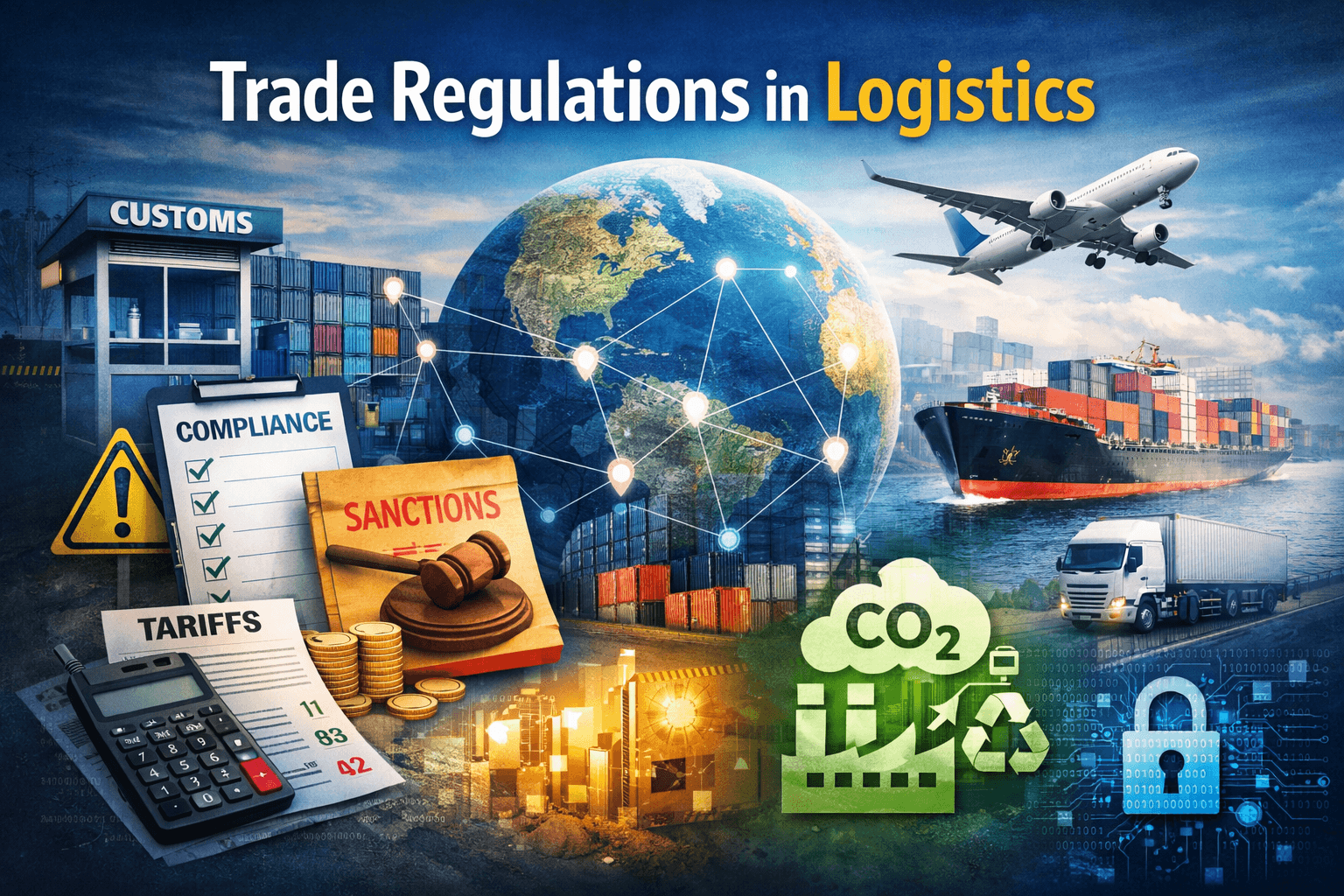
In conclusion, trade regulations are a dynamic and influential factor in logistics operations. By closely monitoring customs compliance, tariffs, sanctions, security rules, environmental policies, digital regulations, and geopolitical developments, logistics professionals can reduce risks and improve supply chain resilience. Proactive regulatory awareness is not just a compliance requirement—it is a competitive advantage in today’s global logistics landscape.
More to Discover


Insights
Factors to Watch: Trade Regulations in Logistics
Trade regulations play a critical role in shaping global logistics operations. As international trade continues to expand, logistics companies must navigate an increasingly complex regulatory environment. Understanding and monitoring key trade regulation factors is essential for ensuring compliance, minimizing delays, and maintaining cost efficiency across supply chains.
One of the most important factors to watch is customs compliance. Every country enforces its own customs laws, documentation requirements, and import/export procedures. Errors in customs declarations, tariff classifications, or valuation can result in shipment delays, penalties, or even cargo seizure. Logistics providers must stay updated on changing customs regulations and ensure accurate documentation, including commercial invoices, packing lists, and certificates of origin.
Another critical area is tariffs and duties. Governments frequently revise tariff structures to protect domestic industries or respond to geopolitical developments. Sudden increases in import duties can significantly impact shipping costs and pricing strategies. Logistics professionals should closely monitor tariff updates and free trade agreements to identify opportunities for duty reductions or exemptions, helping clients optimize landed costs.
Trade sanctions and embargoes are also a major regulatory consideration. Sanctions imposed on specific countries, entities, or products can restrict trade routes and limit business partnerships. Non-compliance with sanctions regulations can lead to severe legal and financial consequences. Logistics companies must conduct thorough due diligence, screen trading partners, and ensure shipments do not violate international or regional sanctions.
The rise of security and safety regulations has further transformed logistics operations. Programs such as cargo security filings, advance shipment notifications, and supply chain security initiatives aim to reduce risks related to terrorism, smuggling, and fraud. While these measures enhance global trade security, they also add compliance requirements that logistics operators must integrate into their workflows to avoid disruptions.
Another factor to consider is environmental and sustainability regulations. Governments are increasingly enforcing policies related to carbon emissions, fuel standards, and sustainable packaging. Logistics providers may need to adopt greener transportation methods, optimize routes, or invest in eco-friendly technologies to comply with these regulations. Failure to meet environmental standards can result in fines and reputational damage.
Digital trade regulations are also becoming more prominent. Many countries are implementing electronic documentation systems, data protection laws, and cybersecurity requirements. Logistics companies handling digital shipping data must ensure compliance with data privacy regulations and maintain secure information systems to protect sensitive trade information.
Finally, regulatory changes driven by geopolitical events can significantly impact logistics planning. Trade disputes, political instability, or policy shifts can alter trade routes, border controls, and import/export requirements with little notice. Staying informed and maintaining flexible logistics strategies allows businesses to adapt quickly to regulatory changes.
In conclusion, trade regulations are a dynamic and influential factor in logistics operations. By closely monitoring customs compliance, tariffs, sanctions, security rules, environmental policies, digital regulations, and geopolitical developments, logistics professionals can reduce risks and improve supply chain resilience. Proactive regulatory awareness is not just a compliance requirement—it is a competitive advantage in today’s global logistics landscape.
More to Discover
Insights
Factors to Watch: Trade Regulations in Logistics
Trade regulations play a critical role in shaping global logistics operations. As international trade continues to expand, logistics companies must navigate an increasingly complex regulatory environment. Understanding and monitoring key trade regulation factors is essential for ensuring compliance, minimizing delays, and maintaining cost efficiency across supply chains.
One of the most important factors to watch is customs compliance. Every country enforces its own customs laws, documentation requirements, and import/export procedures. Errors in customs declarations, tariff classifications, or valuation can result in shipment delays, penalties, or even cargo seizure. Logistics providers must stay updated on changing customs regulations and ensure accurate documentation, including commercial invoices, packing lists, and certificates of origin.
Another critical area is tariffs and duties. Governments frequently revise tariff structures to protect domestic industries or respond to geopolitical developments. Sudden increases in import duties can significantly impact shipping costs and pricing strategies. Logistics professionals should closely monitor tariff updates and free trade agreements to identify opportunities for duty reductions or exemptions, helping clients optimize landed costs.
Trade sanctions and embargoes are also a major regulatory consideration. Sanctions imposed on specific countries, entities, or products can restrict trade routes and limit business partnerships. Non-compliance with sanctions regulations can lead to severe legal and financial consequences. Logistics companies must conduct thorough due diligence, screen trading partners, and ensure shipments do not violate international or regional sanctions.
The rise of security and safety regulations has further transformed logistics operations. Programs such as cargo security filings, advance shipment notifications, and supply chain security initiatives aim to reduce risks related to terrorism, smuggling, and fraud. While these measures enhance global trade security, they also add compliance requirements that logistics operators must integrate into their workflows to avoid disruptions.
Another factor to consider is environmental and sustainability regulations. Governments are increasingly enforcing policies related to carbon emissions, fuel standards, and sustainable packaging. Logistics providers may need to adopt greener transportation methods, optimize routes, or invest in eco-friendly technologies to comply with these regulations. Failure to meet environmental standards can result in fines and reputational damage.
Digital trade regulations are also becoming more prominent. Many countries are implementing electronic documentation systems, data protection laws, and cybersecurity requirements. Logistics companies handling digital shipping data must ensure compliance with data privacy regulations and maintain secure information systems to protect sensitive trade information.
Finally, regulatory changes driven by geopolitical events can significantly impact logistics planning. Trade disputes, political instability, or policy shifts can alter trade routes, border controls, and import/export requirements with little notice. Staying informed and maintaining flexible logistics strategies allows businesses to adapt quickly to regulatory changes.
In conclusion, trade regulations are a dynamic and influential factor in logistics operations. By closely monitoring customs compliance, tariffs, sanctions, security rules, environmental policies, digital regulations, and geopolitical developments, logistics professionals can reduce risks and improve supply chain resilience. Proactive regulatory awareness is not just a compliance requirement—it is a competitive advantage in today’s global logistics landscape.