Insights
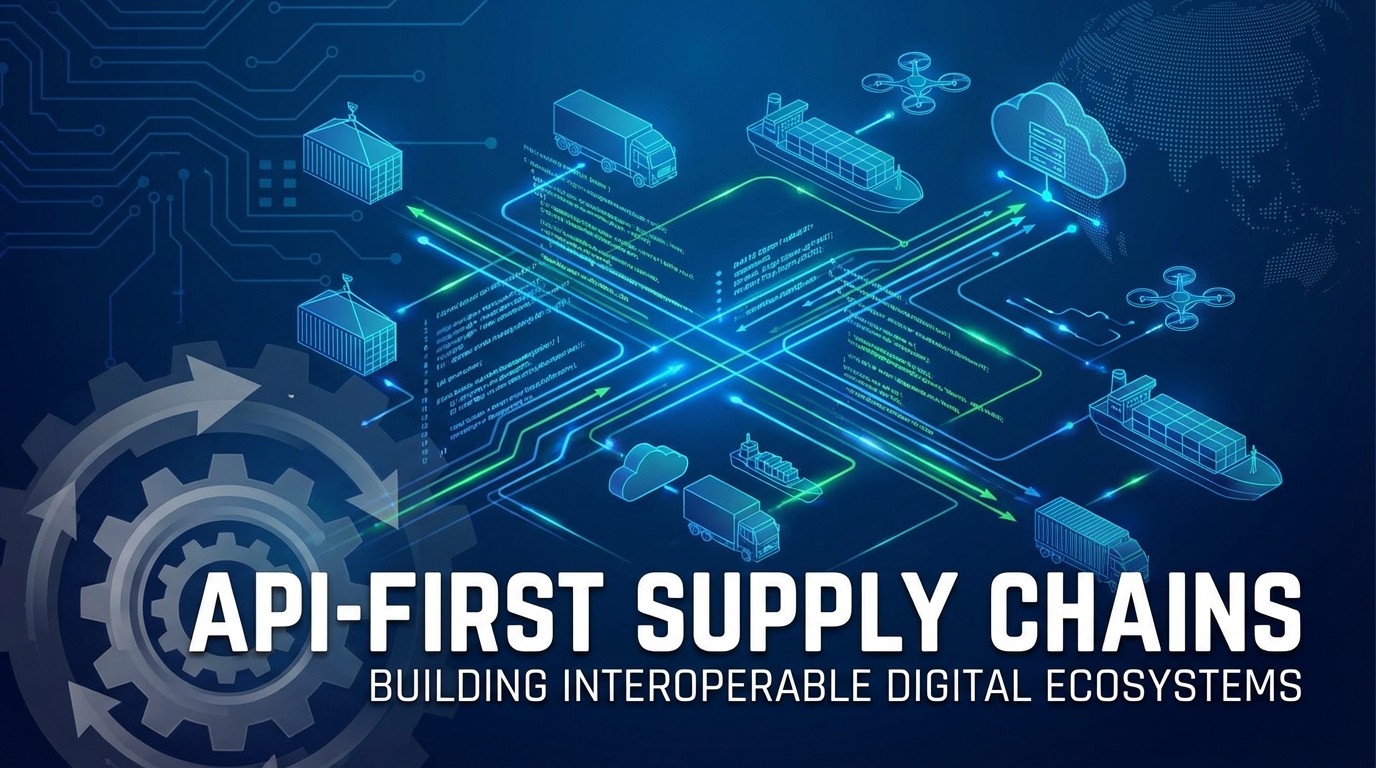
API-First Supply Chains: Building Interoperable Digital Ecosystems
Introduction
As supply chains become more ecosystem-driven, interoperability across partners and platforms is critical. API-first architectures enable organizations to connect systems, partners, and data streams in flexible, scalable ways. This approach supports faster integration, greater innovation velocity, and more resilient digital ecosystems.
The Limits of Point-to-Point Integrations
Legacy integrations often create:
Rigid dependencies between systems
High maintenance overhead
Limited scalability for new partners
Slow onboarding of digital capabilities
API-first architectures address these constraints by decoupling systems and standardizing interactions.
Benefits of API-First Design
API-first supply chains enable:
Faster partner onboarding and integration
Real-time data exchange across platforms
Modular digital architecture supporting innovation
Easier scaling of new services and capabilities
Improved ecosystem collaboration
Implementation Considerations
Leaders should:
Define enterprise API standards and governance
Prioritize high-value integration use cases
Secure APIs with robust identity and access controls
Monitor API performance and reliability
Align API strategy with enterprise architecture roadmaps
Conclusion
API-first architectures provide the digital backbone for interoperable, ecosystem-driven supply chains. Organizations that adopt API-first principles can accelerate digital integration while enhancing scalability and resilience.
#APIFirst #DigitalEcosystems #SupplyChainIntegration #Interoperability #EnterpriseArchitecture #DigitalSupplyChain
More to Discover


Insights
API-First Supply Chains: Building Interoperable Digital Ecosystems
Introduction
As supply chains become more ecosystem-driven, interoperability across partners and platforms is critical. API-first architectures enable organizations to connect systems, partners, and data streams in flexible, scalable ways. This approach supports faster integration, greater innovation velocity, and more resilient digital ecosystems.
The Limits of Point-to-Point Integrations
Legacy integrations often create:
Rigid dependencies between systems
High maintenance overhead
Limited scalability for new partners
Slow onboarding of digital capabilities
API-first architectures address these constraints by decoupling systems and standardizing interactions.
Benefits of API-First Design
API-first supply chains enable:
Faster partner onboarding and integration
Real-time data exchange across platforms
Modular digital architecture supporting innovation
Easier scaling of new services and capabilities
Improved ecosystem collaboration
Implementation Considerations
Leaders should:
Define enterprise API standards and governance
Prioritize high-value integration use cases
Secure APIs with robust identity and access controls
Monitor API performance and reliability
Align API strategy with enterprise architecture roadmaps
Conclusion
API-first architectures provide the digital backbone for interoperable, ecosystem-driven supply chains. Organizations that adopt API-first principles can accelerate digital integration while enhancing scalability and resilience.
#APIFirst #DigitalEcosystems #SupplyChainIntegration #Interoperability #EnterpriseArchitecture #DigitalSupplyChain
More to Discover
Insights
API-First Supply Chains: Building Interoperable Digital Ecosystems
Introduction
As supply chains become more ecosystem-driven, interoperability across partners and platforms is critical. API-first architectures enable organizations to connect systems, partners, and data streams in flexible, scalable ways. This approach supports faster integration, greater innovation velocity, and more resilient digital ecosystems.
The Limits of Point-to-Point Integrations
Legacy integrations often create:
Rigid dependencies between systems
High maintenance overhead
Limited scalability for new partners
Slow onboarding of digital capabilities
API-first architectures address these constraints by decoupling systems and standardizing interactions.
Benefits of API-First Design
API-first supply chains enable:
Faster partner onboarding and integration
Real-time data exchange across platforms
Modular digital architecture supporting innovation
Easier scaling of new services and capabilities
Improved ecosystem collaboration
Implementation Considerations
Leaders should:
Define enterprise API standards and governance
Prioritize high-value integration use cases
Secure APIs with robust identity and access controls
Monitor API performance and reliability
Align API strategy with enterprise architecture roadmaps
Conclusion
API-first architectures provide the digital backbone for interoperable, ecosystem-driven supply chains. Organizations that adopt API-first principles can accelerate digital integration while enhancing scalability and resilience.
#APIFirst #DigitalEcosystems #SupplyChainIntegration #Interoperability #EnterpriseArchitecture #DigitalSupplyChain